
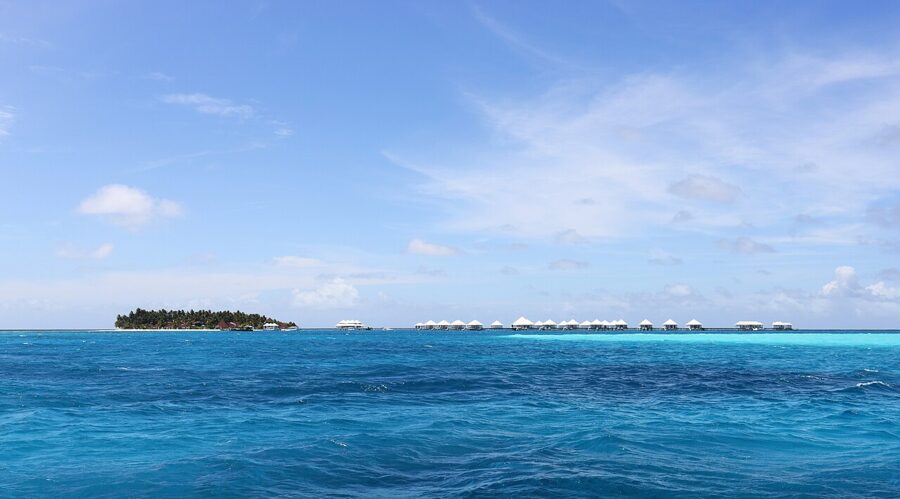

In the Maldives you do not pick a hotel. You pick an island, and the island arrives with its own boat, its own rules and its own bill. Everything else on the trip follows from that one choice, including what time your plane has to land.
So plan it in the right order: resort or local island first, then the atoll (which is really a decision about transfers), then the season, then the reefs. The snorkelling is excellent almost everywhere. The logistics are not, and they are where a Maldives week is won or lost.


The first decision: a resort island or a local island
For most of its tourist history the Maldives kept guests and Maldivians apart. The first resort opened in 1972, and the model that grew from it is simple: one island, one resort, and nobody lives there except staff. You eat where the resort feeds you, drink what the resort pours, and leave only on the resort’s boat.
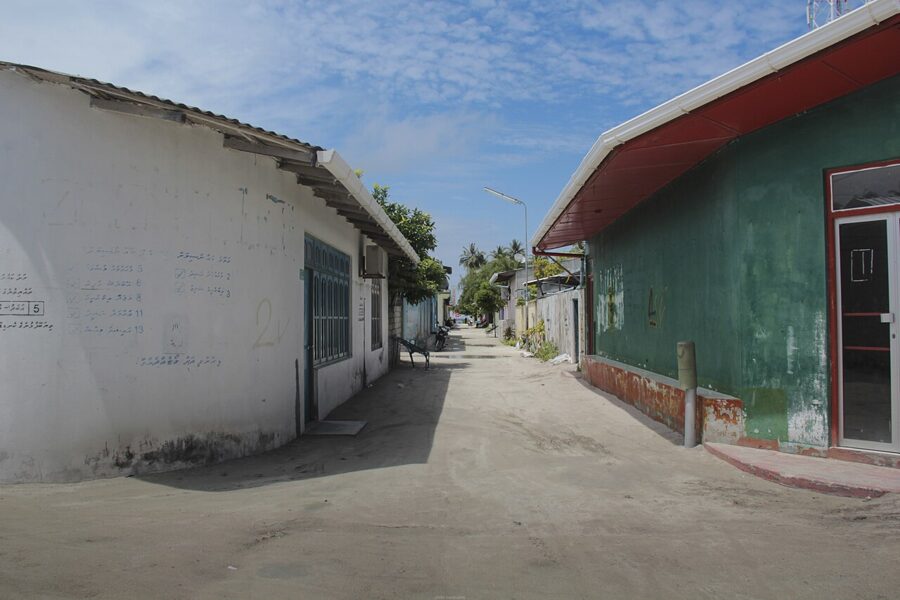
That changed when the government liberalised local tourism in 2009. The first guesthouse on an inhabited island opened on Maafushi in 2010 with four rooms. Today you can stay on dozens of local islands for a fraction of resort prices, with the same water outside the door.
The two are different holidays, not cheaper and dearer versions of the same one. Here is how they compare in practice.
| Resort island | Local island (guesthouse) | |
|---|---|---|
| Alcohol | Served | Banned; no bars, no minibar |
| Swimwear | Anywhere on the island | Only on the designated bikini beach |
| Green tax (as of 2026) | US$12 per person per night | US$6 per person per night (50 rooms or fewer) |
| Food | Resort restaurants, usually on a meal plan | Guesthouse kitchen and island cafés |
| Friday | No change | Shops and cafés pause for midday prayers |
| Excursions | Booked through the resort | Booked through the guesthouse or a local dive shop |
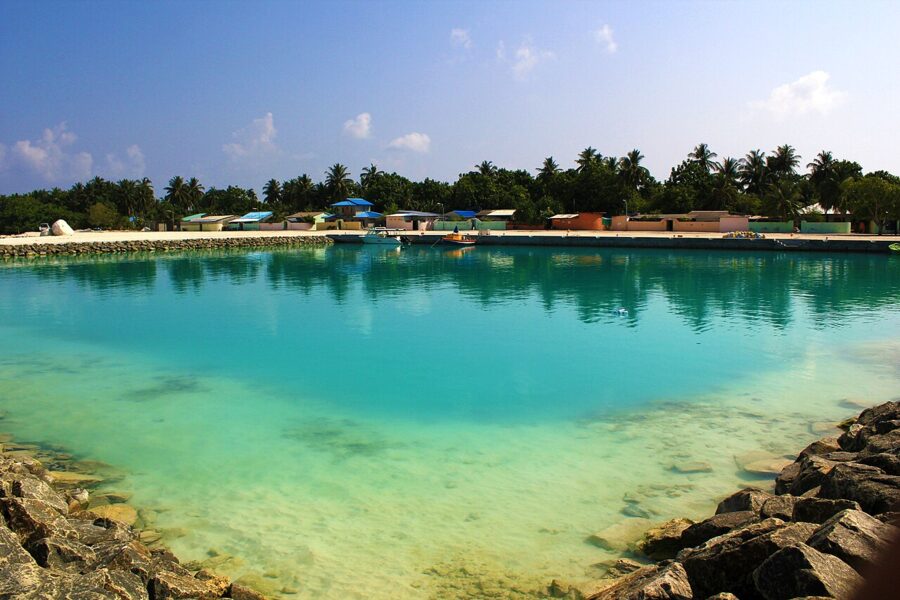

I would choose a resort for a honeymoon, for a week with small children, or for anyone who wants a beer at sunset. I would choose a local island for divers on a budget, for anyone curious about how Maldivians live, and for a longer trip where resort rates would hurt. The best plan for a first visit is often both: three nights on a local island, then four at a resort.
Choosing an atoll by the transfer
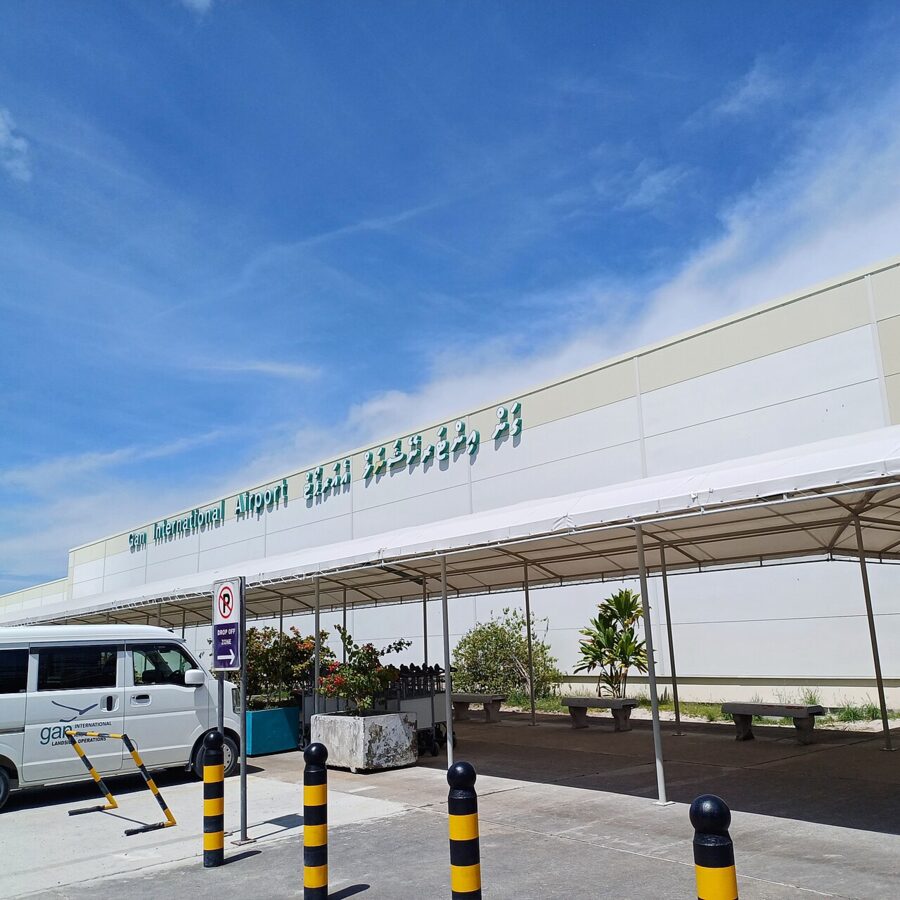
Nearly every international flight lands at Velana International Airport on Hulhulé, the island next to Malé. From there, the way you reach your island decides how far you can go, what it costs and what time you must land. Pick the transfer first and the atoll follows.
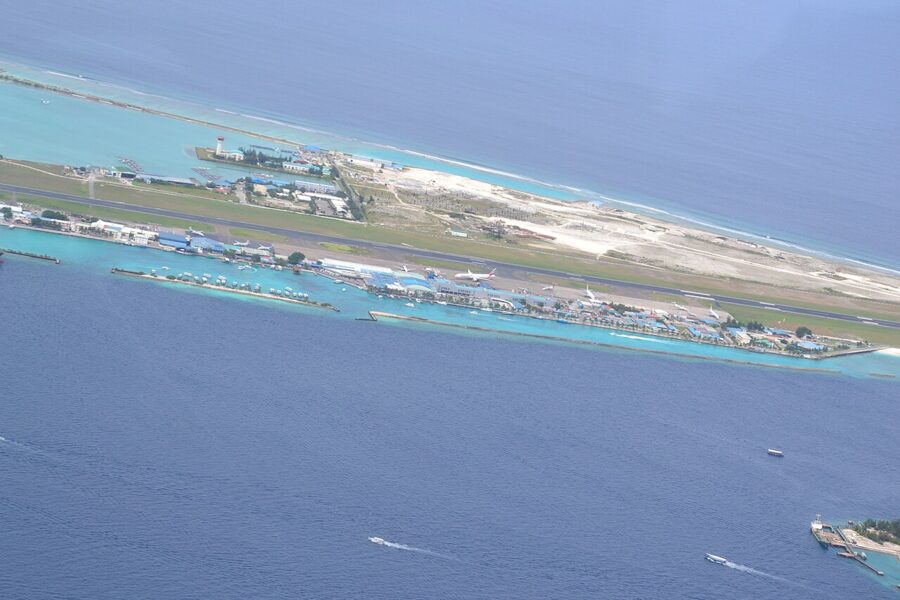

Speedboat: North and South Malé atolls
Resorts and local islands in North and South Malé atolls (together, Kaafu) are reached by speedboat straight from the airport jetties. Journeys are short, boats run after dark, and a late-evening arrival is no problem. This is the atoll to choose for a short stay or a split trip, and the only one where a night landing does not cost you a day.
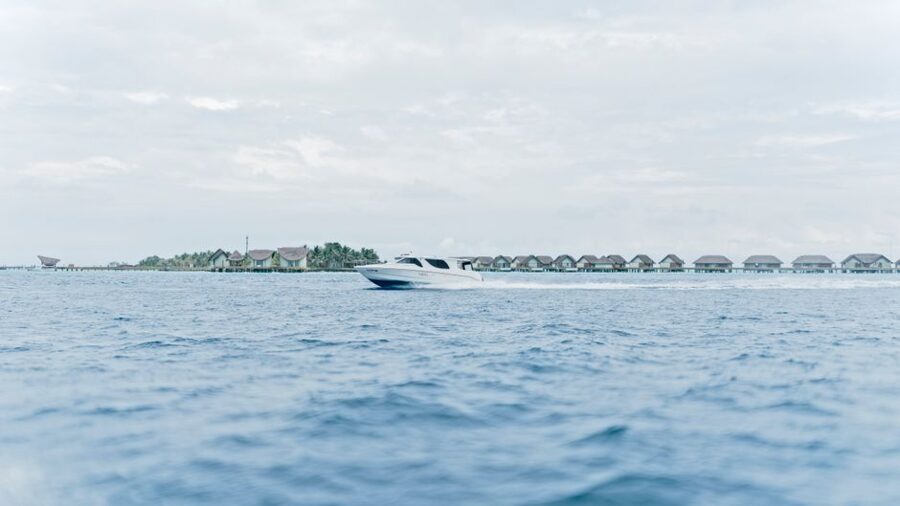
Seaplane: daylight only
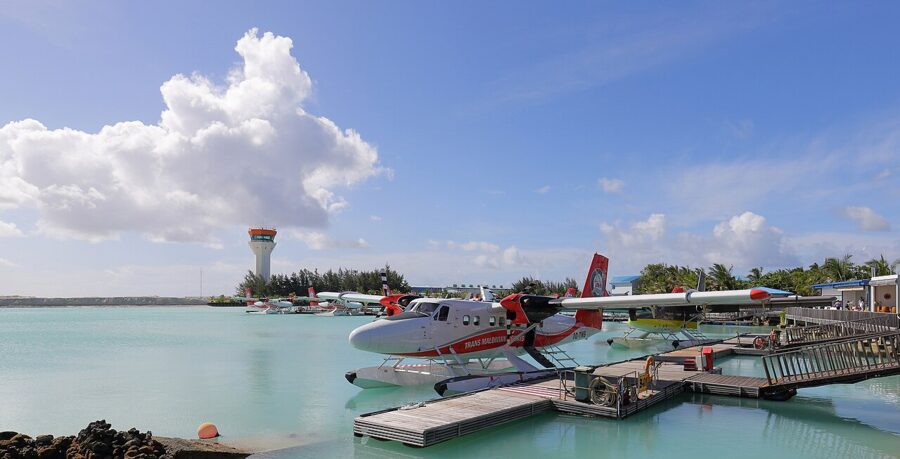
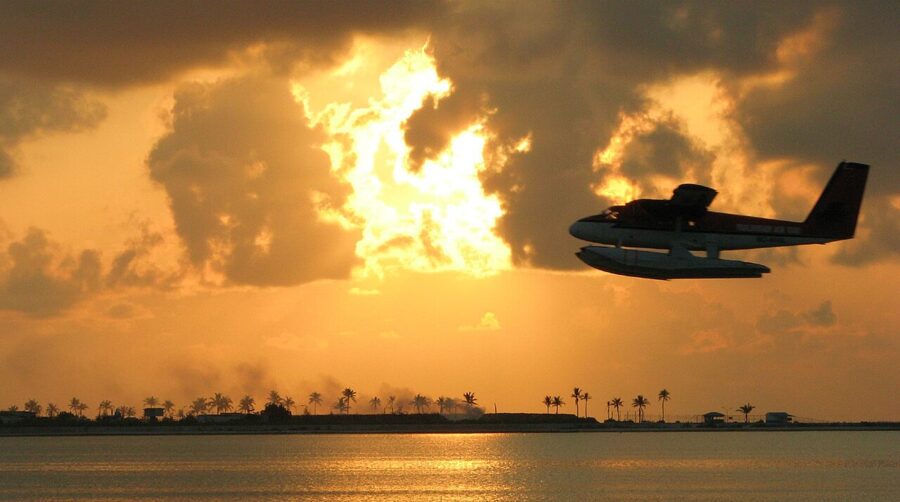
Baa, Raa, Lhaviyani, Ari and the other outer atolls are mostly served by seaplane. Trans Maldivian Airways, the main operator, is plain about the limit: it can fly only from sunrise to sunset. To reach your resort the same day, it asks you to land in the Maldives by 3.30pm, and on the way home it handles guests whose international flight leaves after 9am.
Land at 7pm and you will spend the night in Malé or Hulhumalé and fly out in the morning, paying for the hotel and losing half a day. If you are set on a seaplane resort, book the flight that lands by early afternoon before anything else.
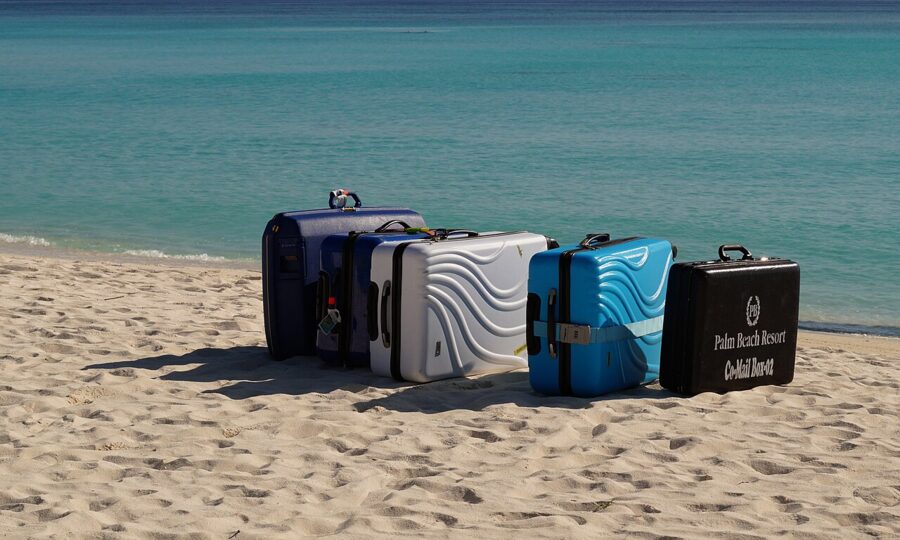

The seaplane baggage rule catches people who flew in on a generous long-haul allowance. The standard is 25 kg in total per person, no bag may weigh more than 32 kg, and smart luggage is refused unless its battery comes out. Pack for it the way you would pack a strict cabin bag: a soft holdall goes further than a hard case, and the same carry-on packing discipline applies almost exactly.
Domestic flight and boat: the far south
The most distant atolls, such as Laamu, Gaafu and Addu in the south, are reached by a domestic flight from Velana to a regional airport, then a boat. Land-based domestic flights are not tied to daylight the way seaplanes are, so a later international arrival can still work if the connection is booked as one journey. Expect the longest door-to-door day of the three, and the emptiest reefs at the end of it.


What it really costs, as of 2026
The room rate you see is rarely the price you pay. Taxes on tourists are fixed in US dollars, and resorts and most guesthouses quote in dollars too. The rufiyaa (MVR) trades at about 15.42 to the dollar, and you will only need it for small purchases on local islands.
Three charges sit on top of the room. The green tax doubled on 1 January 2025, and children under two at check-in are exempt. The tourism goods and services tax (TGST) rose from 16% to 17% on 1 July 2025. Most rate cards add a service charge as well, so read the line items before you compare two places.
| Charge (as of 2026) | Rate |
|---|---|
| Green tax: resorts, hotels, liveaboards, and guesthouses on uninhabited islands or with over 50 rooms | US$12 per person per night |
| Green tax: hotels and guesthouses on inhabited islands with 50 rooms or fewer | US$6 per person per night |
| TGST on rooms, food, drink and excursions | 17% |
| Departure tax, foreign passenger in economy | US$50 |
| Airport development fee, foreign passenger in economy | US$50 |
| Departure tax plus development fee, business / first | US$240 / US$480 |
The airport taxes and fees have applied since 1 December 2024 and are collected by the airline inside your ticket price, so you will not pay them at the airport. They explain why a Maldives fare looks dear next to a similar distance elsewhere.

Work it through with an example rate of US$600 a night for two people at a resort. TGST adds US$102, green tax adds US$24, and the service charge is extra again. Before a single meal, that room costs well over US$700.
Meals are the second trap: on a resort island there is nowhere else to eat, so the meal plan (breakfast only, half board, full board or all-inclusive) matters, and drinks are where bills climb. Transfers are the third, priced per person, return, and a seaplane can add hundreds of dollars each to a cheap-looking room.
How long to stay, and when: the two monsoons
Give it a week if you can. A seaplane transfer eats most of a day at each end, and four nights at a distant resort leaves you two full days in the water. Five or six nights work for a speedboat resort near the airport, or for a split stay in Kaafu.
The Maldivian year runs on two monsoons. The northeast monsoon, Iruvai, is the dry, sunny season and generally lasts from January to March. The southwest monsoon, Hulhangu, runs from May to the end of November and brings more wind, cloud and rain. April and December are the transition months.
The start date moves. The Maldives Meteorological Service declared the 2025 northeast monsoon on 17 December, the earliest onset since 2020, after the previous season began on 2 January 2025, the latest on record. Peak resort prices follow the dry season, roughly Christmas to Easter.
Do not write off the southwest monsoon. Rates drop, and it is the season when manta rays gather in Baa Atoll. If mantas are the reason you are going, go between June and November and accept a choppier boat ride.
What to do in the water
Almost everything worth doing here happens in or on the sea. Start with the reef outside your room, then pick the big animal worth a boat trip and match it to the season.
House reefs first
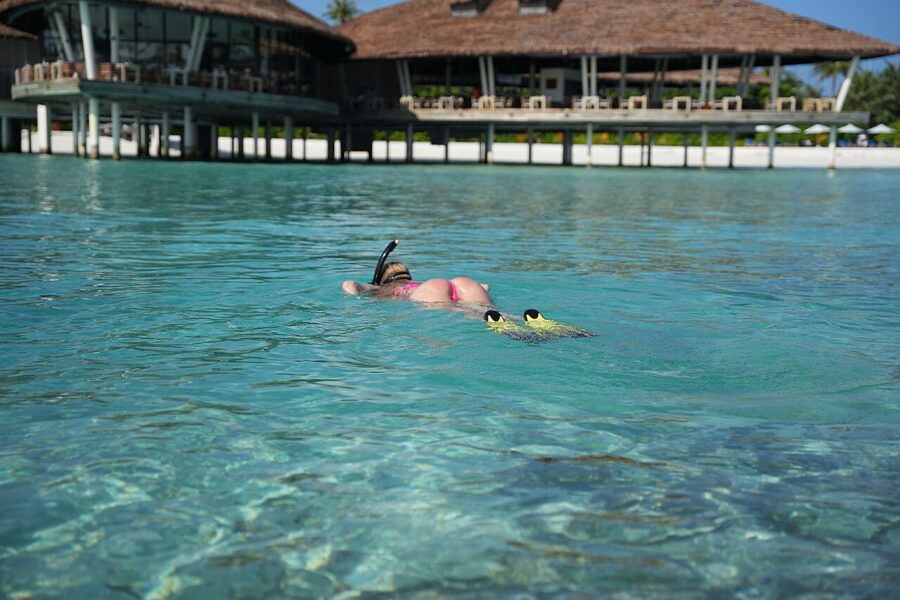
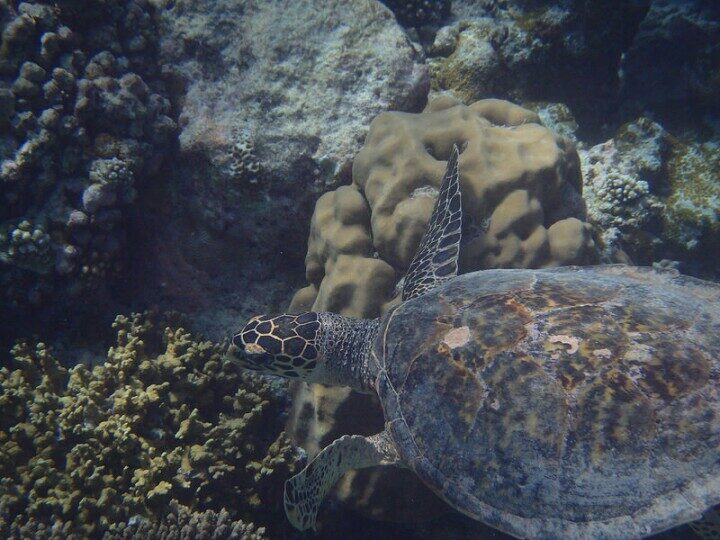
A house reef is the reef that surrounds your island, reached by walking off the beach or down a ladder from a jetty. A good one is the cheapest excursion in the country, because it is free and open from breakfast to sunset. Before you book a resort, find out how far the reef edge is from the beach: on some islands it starts a few metres from the sand, on others you need a boat.
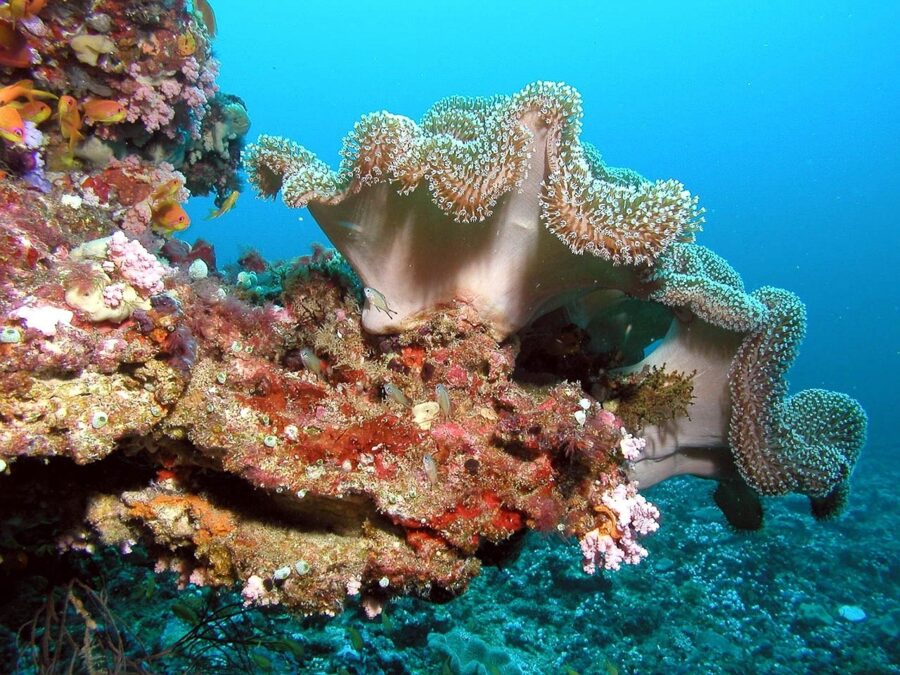
Snorkel with a buddy, wear a rash vest rather than more sunscreen, and never stand on coral. Local-island guesthouses rarely have a house reef in front of the room, so their snorkelling comes by boat, usually a half-day trip to two or three sites.

Manta rays, by monsoon
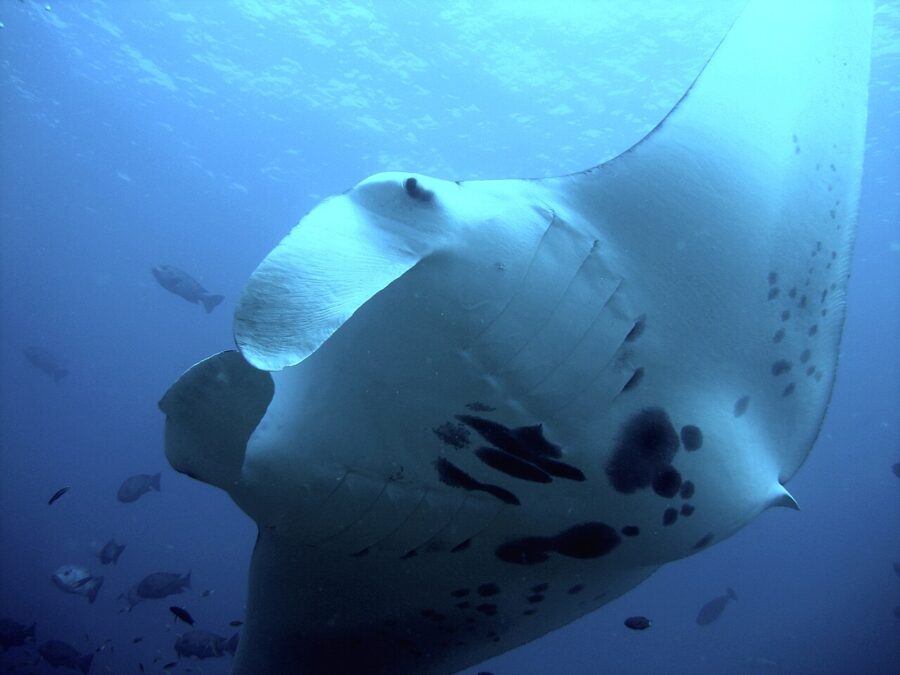
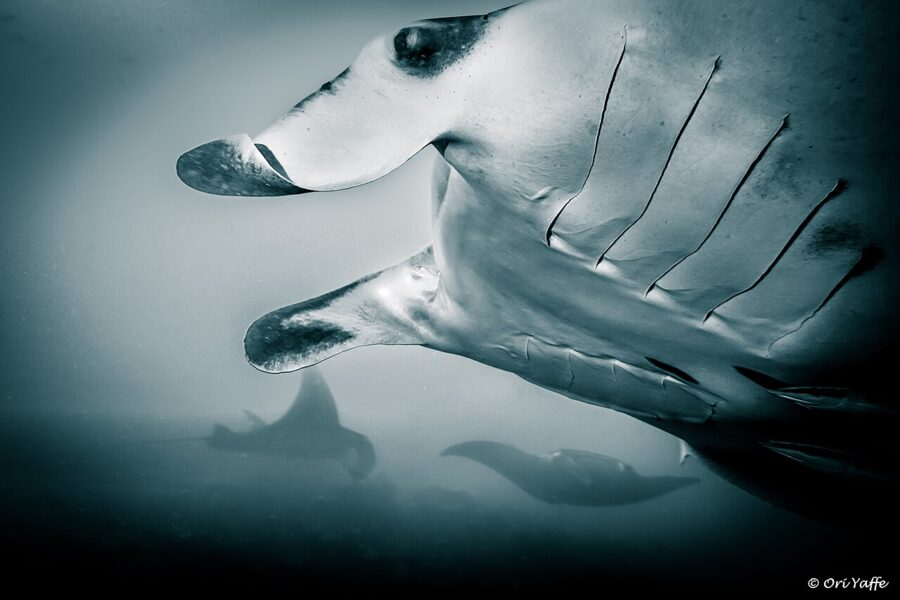
Reef mantas follow the plankton, and the monsoon winds decide where the plankton collects. In broad terms, the mantas feed on the western side of the atolls during the northeast monsoon and on the eastern side during the southwest monsoon. Cleaning stations, where small fish pick the rays clean, are worth visiting at any time of year.

Hanifaru Bay, Baa Atoll
Baa Atoll was declared a UNESCO biosphere reserve in 2011, and its best-known core zone is Hanifaru Bay, a reef inlet about the size of a football pitch. During the southwest monsoon, currents push plankton into the bay, and reef mantas, and sometimes whale sharks, gather to feed in large numbers.
The bay became a marine protected area on 8 June 2009, and its visitor rules are strict. Scuba diving and fishing are banned; it is snorkel only. No more than five boats and 80 snorkellers may be in the bay at once, each group of ten needs a certified Hanifaru guide, and rangers enforce the limits. An entry fee goes to the Baa Atoll Conservation Fund; book through a resort or guesthouse in Baa, and confirm the current fee with them.

Whale sharks in South Ari
The outer reef of South Ari Atoll, along islands such as Dhigurah, is the Maldives’ best-known whale shark ground, and boats look for them there through the year. A Maldivian charity, Maldives Whale Shark Research, has studied them since 2006.
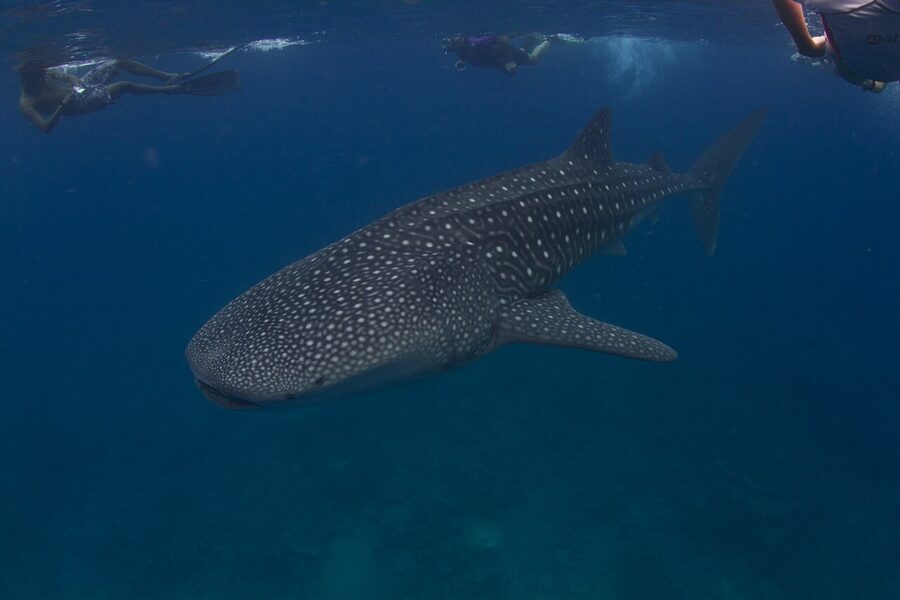

Dhigurah’s guesthouses make it the cheapest base, and South Ari resorts run the same trips. Sightings are never guaranteed, so book two attempts on different days.
Diving
Maldivian diving is mostly channel and thila diving. A kandu is a channel through the atoll rim, where currents bring in sharks, eagle rays and schooling fish; a thila is a reef pinnacle that rises from inside the atoll to a few metres below the surface. Both reward experienced divers, and currents can be strong.
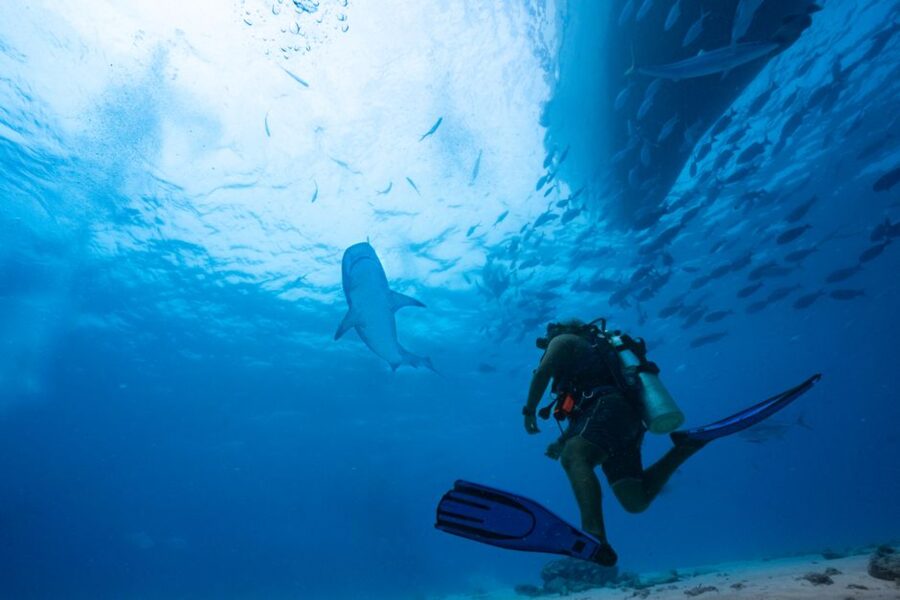
Every resort has a dive centre, and larger local islands have independent shops; bring your certification card. A liveaboard is the way to dive several atolls in one week.
Sandbanks, picnic islands and a sunset dhoni
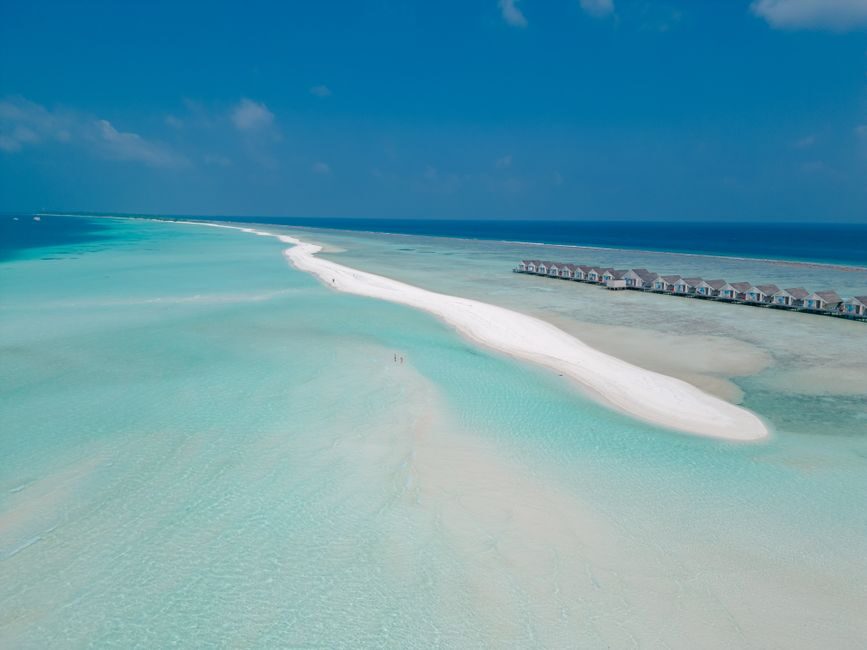
A sandbank trip is a boat ride to a strip of bare sand in the lagoon, with nothing on it but you and a cool box. Guesthouses sell them by the half day, and resorts offer private versions with lunch laid out. Take shade and water; there is none on the sand.
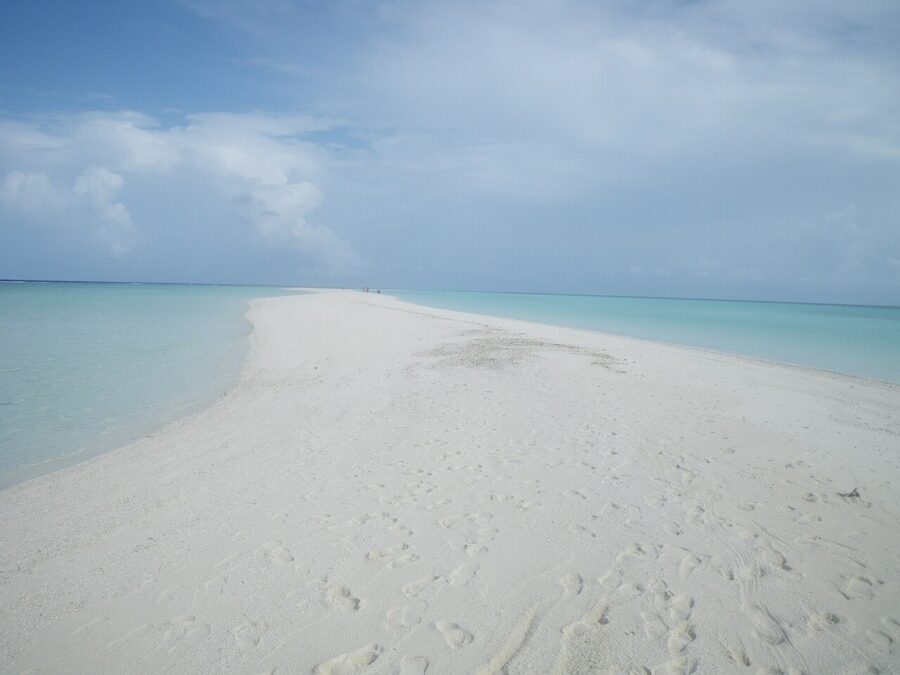

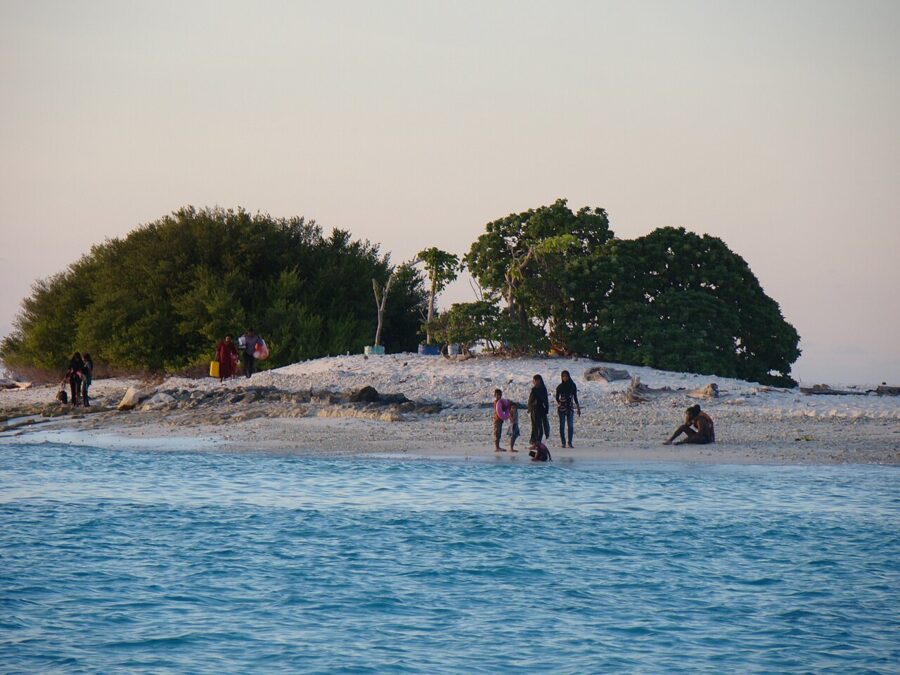
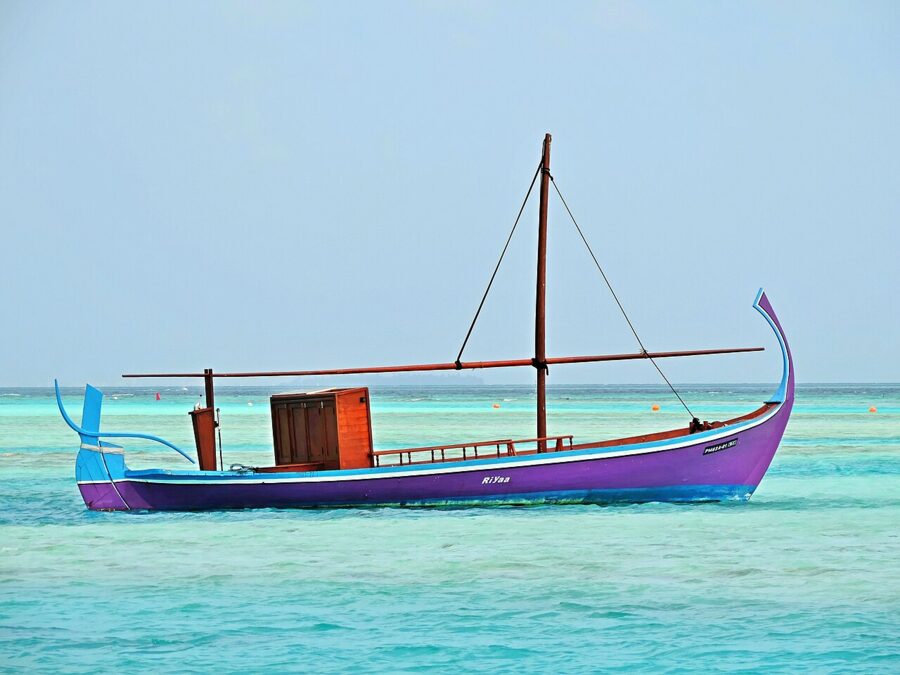
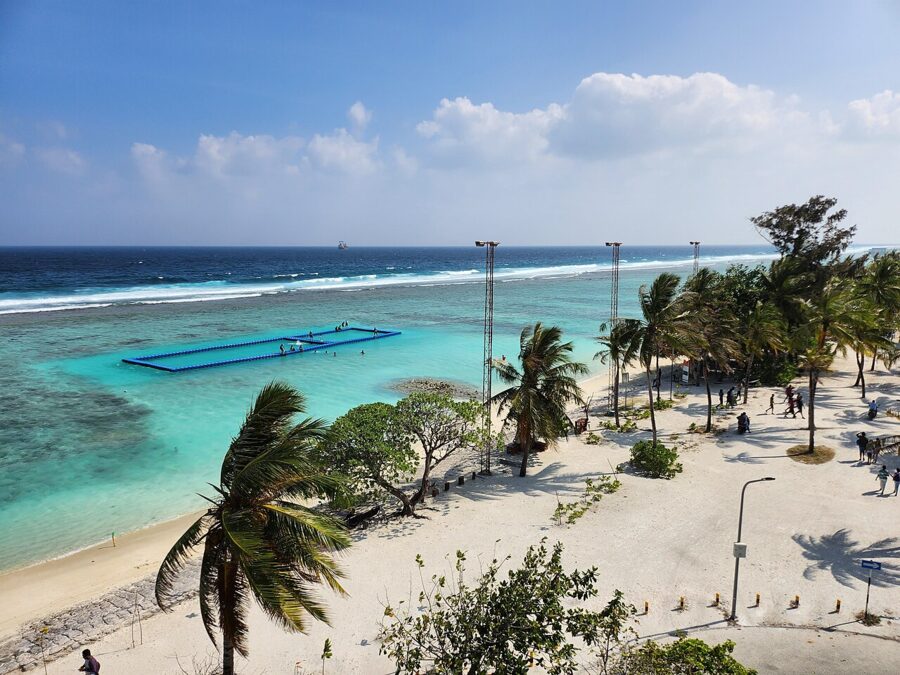
Local islands often have a “picnic island” nearby, an uninhabited island where families go at weekends and where guesthouses take guests for a beach day in swimwear. A sunset trip on a dhoni, the traditional wooden boat, is the other evening classic, and dolphins sometimes ride the bow wave.


Bioluminescence
On some nights the waterline glows blue where waves break, caused by plankton that light up when disturbed. It cannot be booked and nobody can promise it. Your best chance is a dark night near the new moon, away from resort lights, so walk the beach after dinner and look.
Local islands: how they work and how to behave
The Maldives is a Muslim country, and local islands follow its law and customs. None of this is hard, but the rules are real and not just politeness. Get them right and you will be welcomed; get them wrong and you may be fined.
- Dress. Cover shoulders and knees in the village, on the street and in shops. Swimwear is for the designated bikini beach only; cover up when you leave it.
- Alcohol and pork. Both are prohibited on local islands. Do not try to bring duty-free alcohol into the country either: it is confiscated at the airport.
- Affection. Keep public displays to a minimum.
- Friday. Friday is the holy day. Expect shops and cafés to close around midday prayers, and some boat services to run less often.
- Smoking and vaping. Since 1 November 2025 anyone born on or after 1 January 2007 may not buy or use tobacco in the Maldives, tourists included. Vapes and e-cigarettes are banned outright, and using one carries a fine of MVR 5,000 (about US$325).
- Money. Carry some cash on local islands. Cards work in many places, but not everywhere.
- Ramadan. During the fasting month, avoid eating and drinking in the street in daylight.
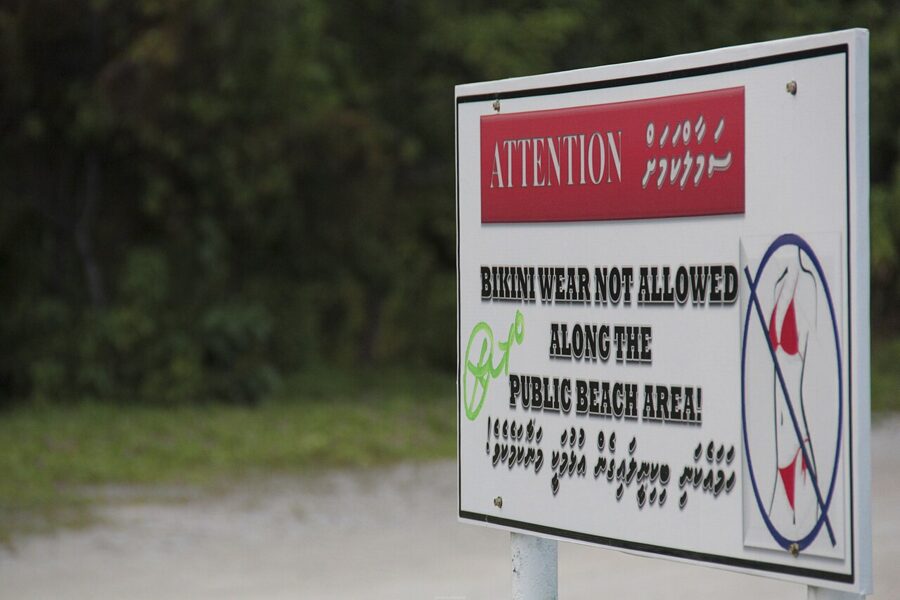

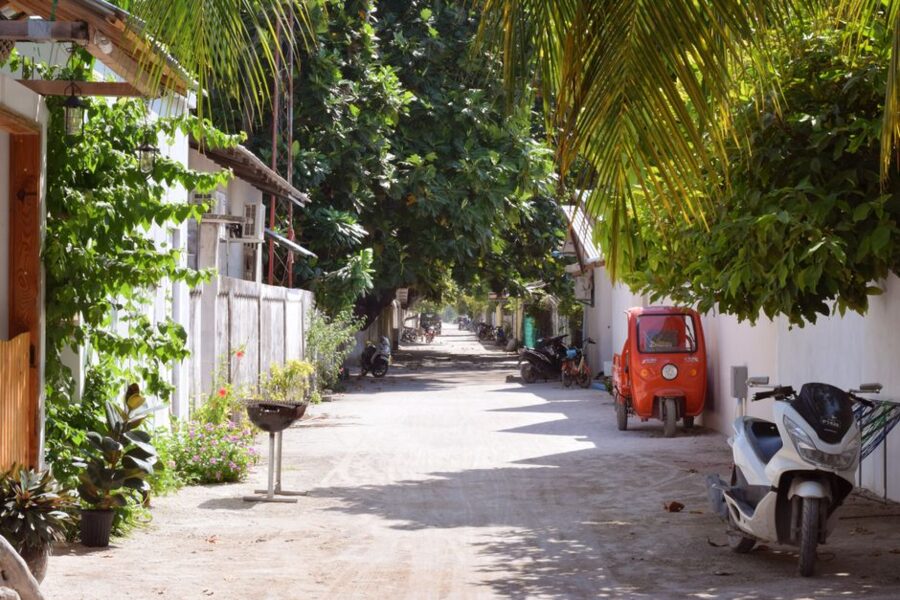
Which island depends on what you want. Maafushi has the most guesthouses and dive shops and is the easiest to reach from the airport, but it is also the busiest. Thulusdhoo, the administrative capital of Kaafu, draws surfers. Ukulhas and Thoddoo in the Ari atolls are smaller and calmer, and Dhigurah is the base for whale sharks.
Book the guesthouse before you fly, and ask it to arrange your transfer. Public ferries run on fixed timetables and some routes do not run every day, so a guesthouse speedboat is often worth the extra on arrival day.

Malé for a morning
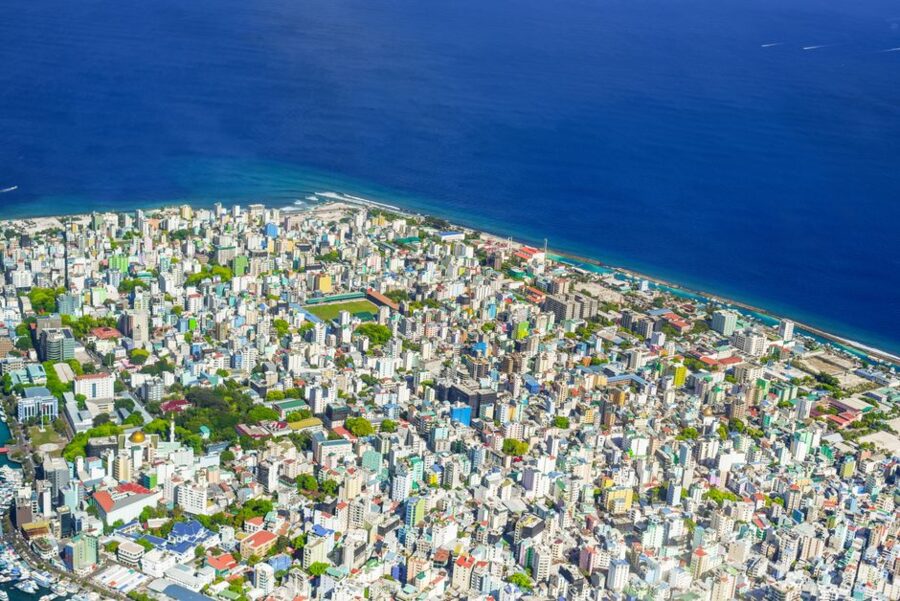
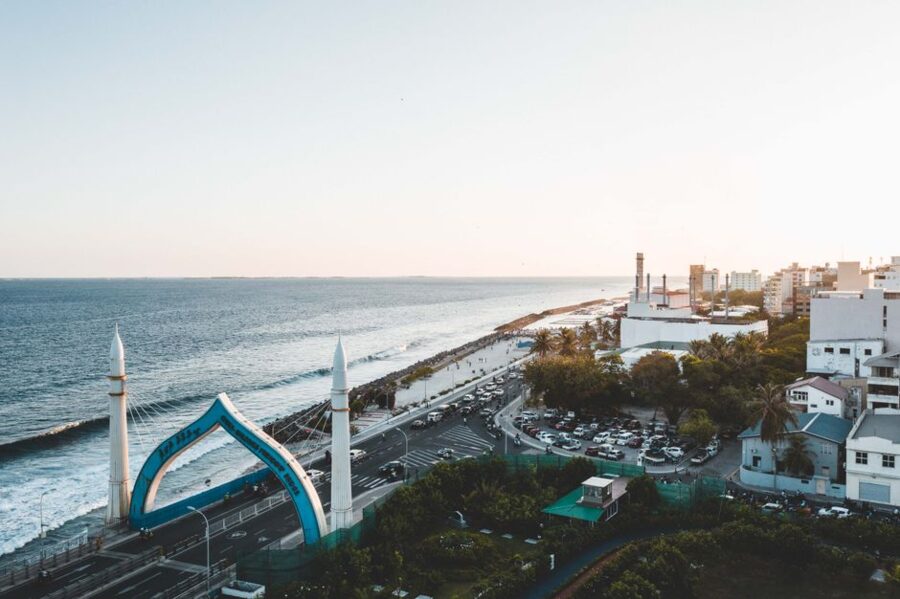
Most people see Malé only from the airport jetty. It deserves a morning, especially on your last day if your flight leaves in the evening. The city is small enough to walk end to end, and the Sinamalé Bridge, 2.1 km (1.3 miles) long and opened in 2018, links it to the airport island by road.
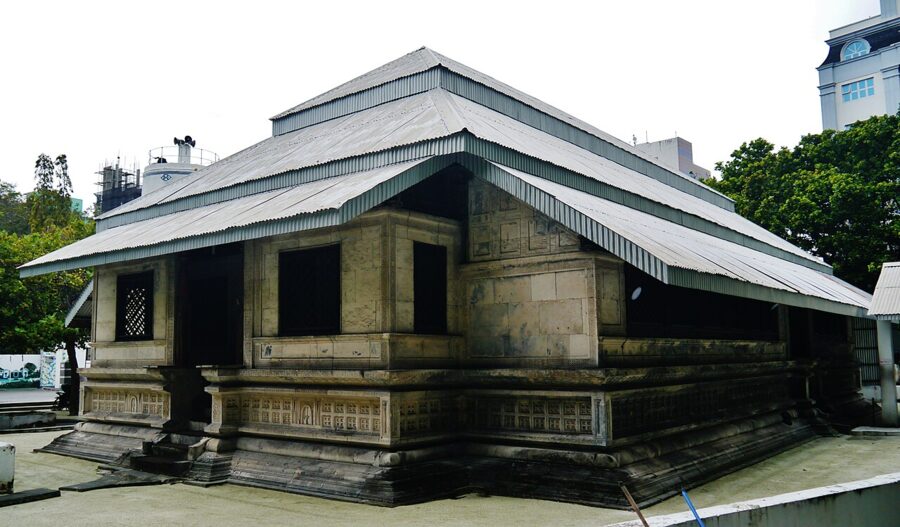
Start at Hukuru Miskiy, the Old Friday Mosque, built between 1656 and 1658 from blocks of coral stone and the most finely carved mosque in the country. Look at its walls and the carved tombstones in the graveyard; if you wish to go inside, ask at the gate first, dress modestly, and avoid prayer times.

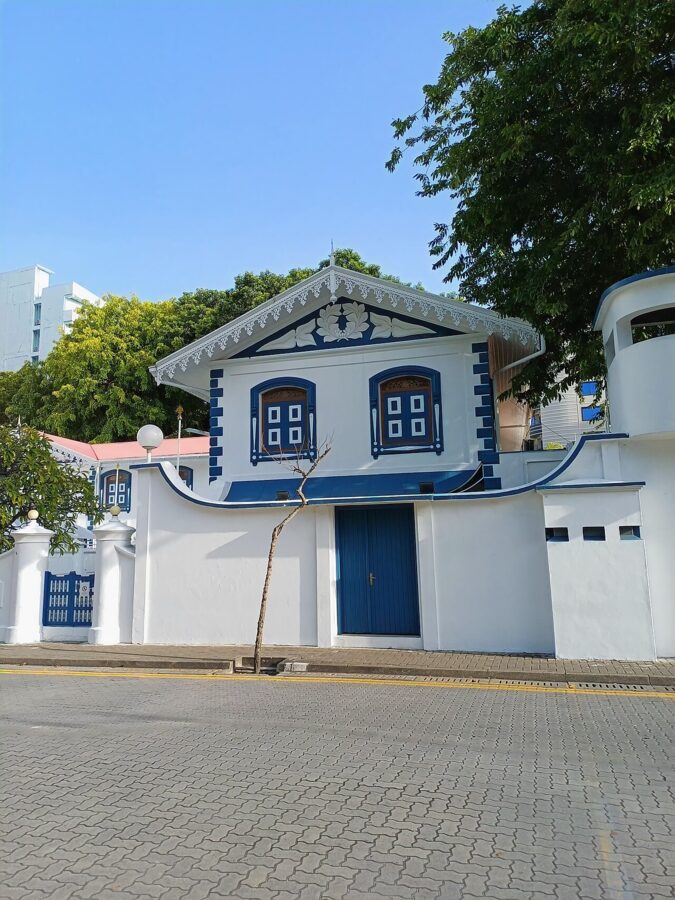

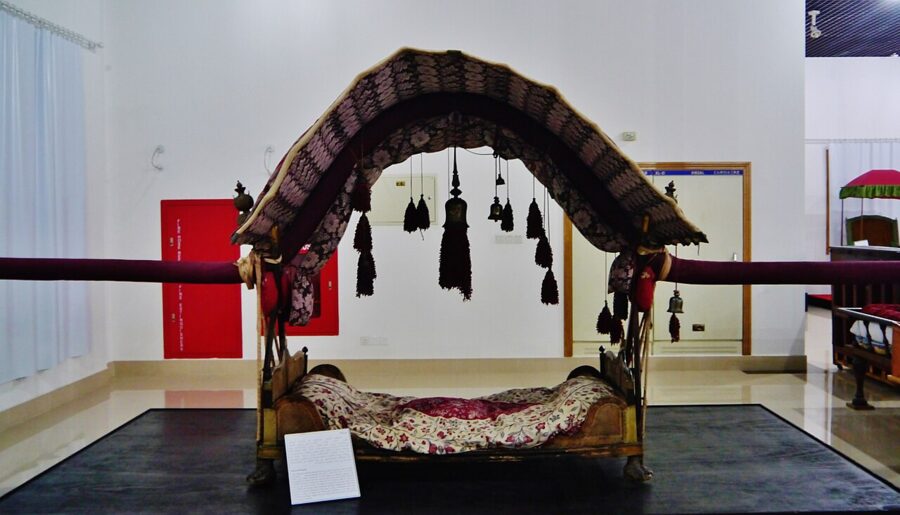
From there it is a short walk to Sultan Park and the National Museum, which opened in its current building on 26 July 2010. The collection runs from Buddhist-era stone carvings to the sultans’ furniture and lacquerwork. The heritage centre gives its opening hours as 10.15am to 4pm (as of 2026); allow an hour.
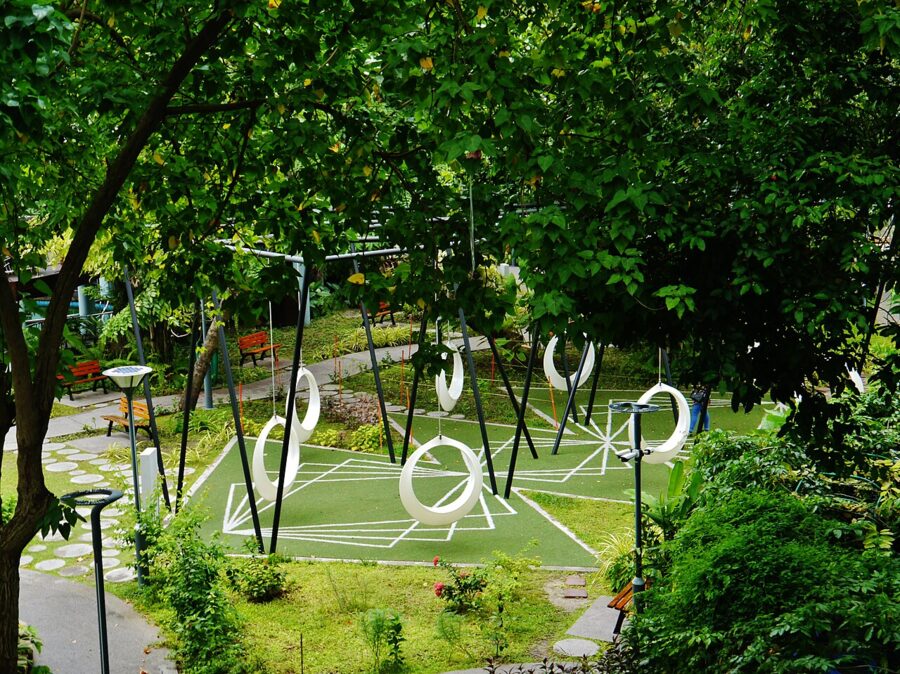


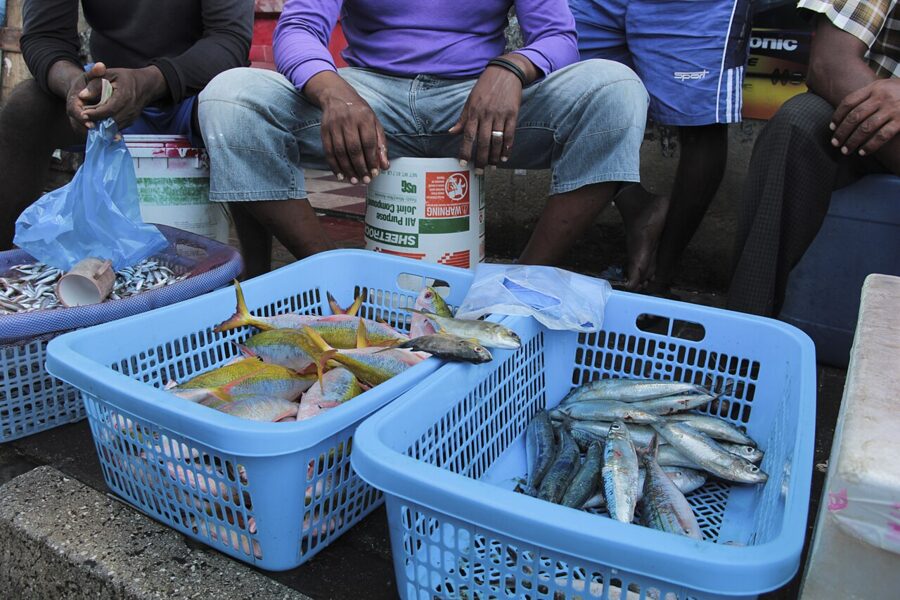
Finish at the waterfront fish market, where the day’s catch is sorted and sold. It is a working market, not a show, so stay out of the way of the porters. A coffee in the city and a taxi back over the bridge will still have you at the airport in good time.

Entry rules before you fly
Visitors of almost every nationality get a 30-day tourist visa on arrival, free and without pre-approval. Maldives Immigration still expects you to meet basic conditions at the desk (as of its September 2026 update):
- A machine-readable passport valid for at least one month after arrival.
- A confirmed return or onward ticket.
- A prepaid, confirmed booking at a registered resort, hotel or guesthouse.
- Enough money to cover your stay.
- A yellow fever certificate if you arrive from, or recently travelled through, a country with risk of yellow fever.
Every traveller, children included, must submit the IMUGA traveller declaration within 96 hours before arrival. It is free on the official portal, imuga.immigration.gov.mv; ignore lookalike sites that charge a fee. Since 15 April 2025 the Maldives has not admitted travellers on Israeli passports.
The UK government’s entry advice lists what cannot come in: alcohol, pork products, and items considered contrary to Islam, including religious idols for worship. Declare anything you are unsure of.

A sample week
This plan suits a first trip that wants both sides of the country: a local island near Malé, then a resort reached by speedboat, so arrival and departure times are not tied to daylight. Swap the resort for a seaplane resort in Baa between June and November if mantas are the point.
| Day | Plan |
|---|---|
| 1 | Land, clear immigration with your IMUGA QR code, guesthouse speedboat to a local island in South Malé Atoll. Swim at the bikini beach before dark. |
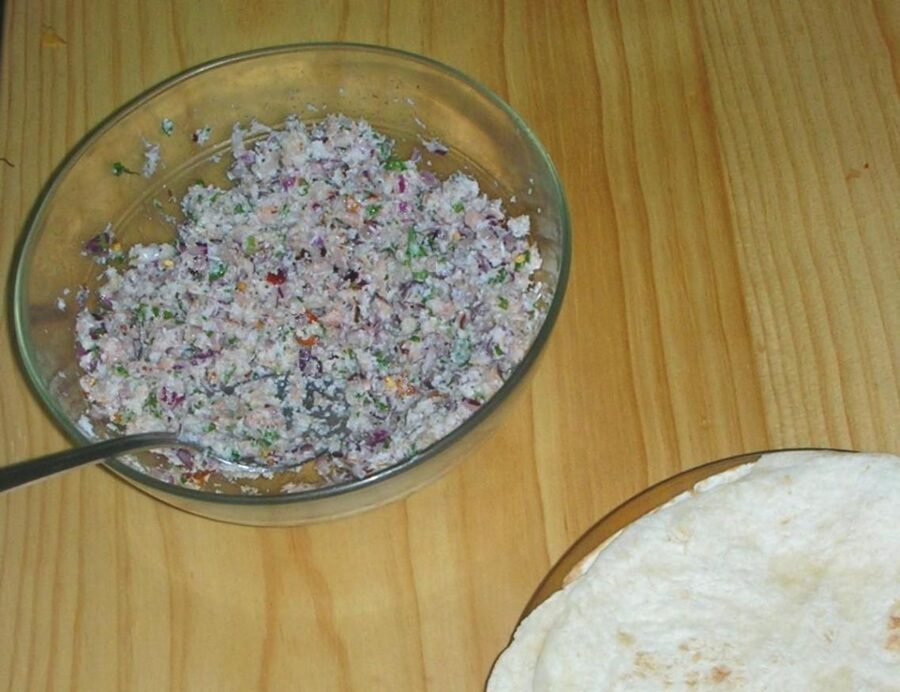
| 2 | Half-day snorkelling trip by boat in the morning, sandbank in the afternoon. Mas huni for breakfast; seafood dinner. |
| 3 | Dive or snorkel a channel in the morning. Afternoon in the village, covered up. Sunset dhoni trip. |
| 4 | Speedboat to your resort. Snorkel the house reef in the late afternoon. |
| 5 | House reef at 8am, dive or excursion at 10am, nothing at all after lunch. Night walk on the beach for bioluminescence. |
| 6 | Manta or turtle trip with the resort dive centre. Last sunset with a drink in hand. |
| 7 | Early speedboat to Malé. Hukuru Miskiy, the National Museum and the fish market, then the bridge to the airport for an evening flight. |
Decide the island, then the boat, then the season, and the Maldives stops being a brochure and becomes a plan. Book the flight that lands by 3.30pm before you book anything else.