
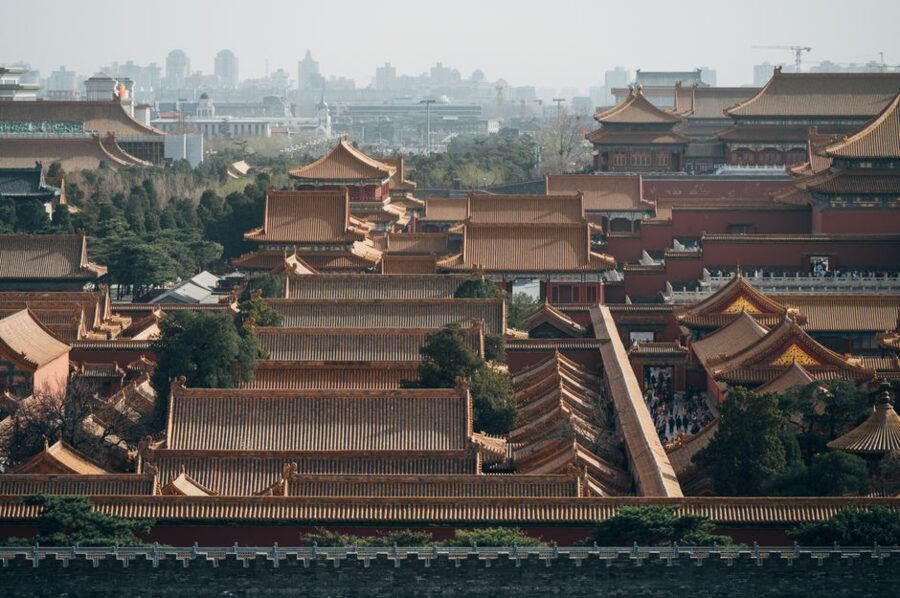
The Forbidden City lets in 40,000 people a day, sells no tickets at the gate and closes every Monday. That one sentence shapes a Beijing trip more than the weather does, because the city’s other big sights follow the same habits: real-name booking with your passport, daily caps, and a weekly day off that is usually Monday.
So plan Beijing the way it now runs. Book the few things that release tickets on a schedule, put the Great Wall on the day the palaces are shut, and group everything else by district. Three days done that way beat five spent queueing at the wrong gate.


The decisions first: days, season, entry and payment
How many days you need
Two full days cover the essentials at a run: the imperial core around Tiananmen on one, the Great Wall on the other. Three days is what I would plan, adding the Temple of Heaven and the Summer Palace. Four lets you fit in the Lama Temple, the hutongs at an unhurried pace and either the 798 art district or the Ming Tombs.
Five days is not too many if the fifth goes on a harder stretch of wall at Jinshanling. Beyond that, Xi’an or Shanghai is a better use of the time.
When to go, and which days to avoid
April, May, September and October are the comfortable months. July and August are hot, humid and wet. Winter is cold, dry and often clear, with thinner crowds but earlier closing times and an icy wall.
Avoid the National Day holiday from 1 to 7 October and the week around Chinese New Year, when domestic tourism peaks. Then mind Mondays. As with Delhi’s sights, a Monday in Beijing shuts the headline museums, so it is the day for the Great Wall, the parks or the hutongs.
Getting in: visa-free entry and the 240-hour transit
As of November 2026, ordinary passport holders from most of the European Union, Switzerland, Norway, Australia, New Zealand, Japan, South Korea, Brazil, Argentina, Chile and several Gulf states can enter visa-free for up to 30 days for tourism, under a policy that runs to 31 December 2026 (the consular notice lists every country). The United Kingdom and Canada were added from 17 February 2026 on the same terms and the same end date.
US passport holders are not on that list. The route for them, and for anyone else from the 57 countries covered since Kyrgyzstan and Vietnam joined on 20 August 2026, is the 240-hour visa-free transit. You need a confirmed onward ticket to a third country or region (New York to Beijing to Hong Kong qualifies, a return to New York does not) and a passport valid for three more months; apply at the 240-hour counter at Capital or Daxing airport.
If your trip runs into 2027, check before you book: the 30-day policy had not been extended beyond 31 December 2026 as of late November 2026.
What to book, and when
Almost every major sight now sells real-name tickets tied to your passport number. Choose “passport” as the document type rather than the Chinese ID default, type the number exactly, and carry the original: it is scanned at the gate.
The timeline that matters: Mutianyu releases tickets up to 30 days ahead; the Forbidden City opens each date seven days ahead at 8pm Beijing time; the Tiananmen gate tower releases at 5pm, up to seven days out; Tiananmen Square itself and the city parks take bookings one to seven days ahead. Set an alarm for the Forbidden City in the summer holidays and around national holidays, when popular dates can sell out on the evening they open.
Paying: Alipay, WeChat Pay and a bank card
Beijing pays by phone. Set up Alipay or WeChat Pay before you fly and link a foreign Visa or Mastercard; you will use it for restaurants, taxis and ticket offices. As of 2026, Alipay charges nothing on a single payment of ¥200 (about US$30) or less and adds 3% above that, so split large bills where you can. Your own bank may add its foreign-transaction fee on top.
Keep some cash and a second card for when the first is declined. Download a translation app too: Mandarin is the language here, and English signage stops at the subway and the major sights.
Getting around: the subway
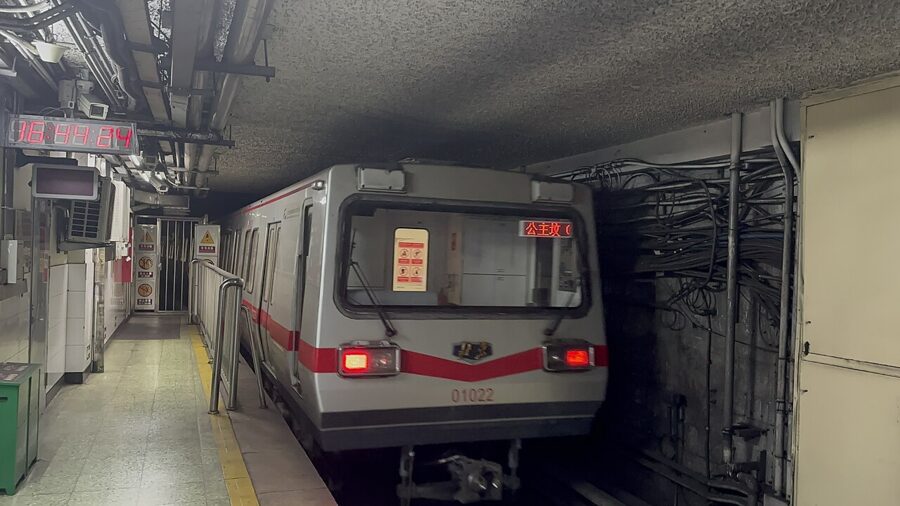
The subway is how to cross Beijing. Since 2024 you no longer need a ticket or a local card: hold a contactless Visa, Mastercard, JCB, American Express or UnionPay card against the gate and the fare is charged by distance. Fares are ¥3 (under US$0.50) for the first 6 km, ¥4 to 12 km, ¥5 to 22 km and ¥6 to 32 km; the Capital Airport Express is a flat ¥25 (about US$4).
Taxis and the ride-hailing app Didi are cheap and useful for the Great Wall; in the centre, the subway beats the traffic.
The imperial core: Tiananmen, the Forbidden City and Jingshan
These three sit on Beijing’s Central Axis, the north-south line UNESCO inscribed as a World Heritage Site in 2024. Do them as one walk, south to north, starting early.
Tiananmen Square and its security checks
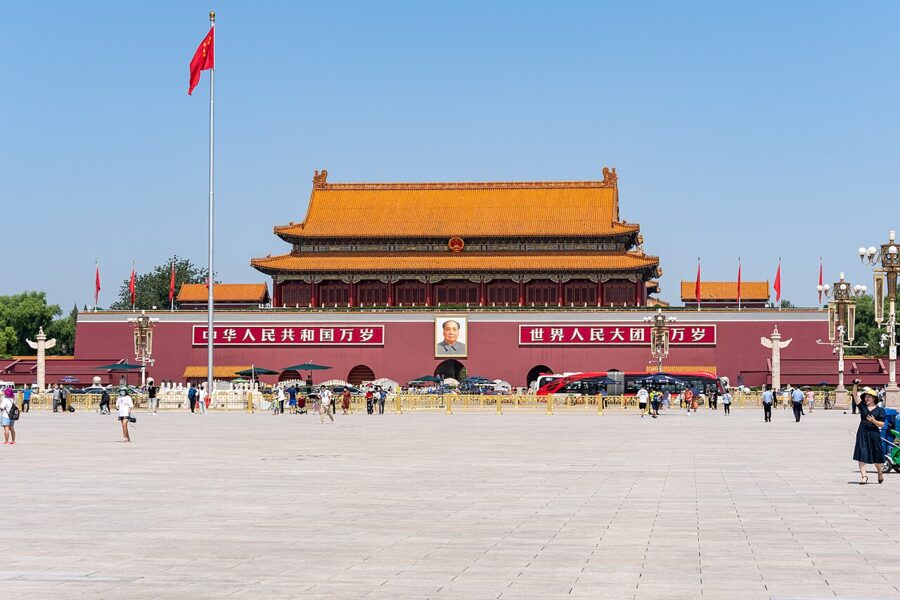

Tiananmen Square is free but not open-access. You book a time slot through the “天安门广场预约参观” (Tiananmen Square reservation) WeChat mini program or the Jingtong app, using your passport; one booking covers up to ten people. At the entrance, police scan the passport and x-ray your bag; lighters and drones are not allowed. Arrive without a booking and you will be turned away.
The dawn flag-raising needs its own slot. It follows sunrise: 4.47am in late June, 6.36am in late October.
The gate tower above the portrait is a separate ticket: ¥15 (about US$2), released daily at 5pm for dates up to a week ahead, closed on Mondays. Bags are not allowed up, and the route on from the Golden Water Bridges to the Meridian Gate is one way, so travel light that morning.
The Forbidden City (the Palace Museum)
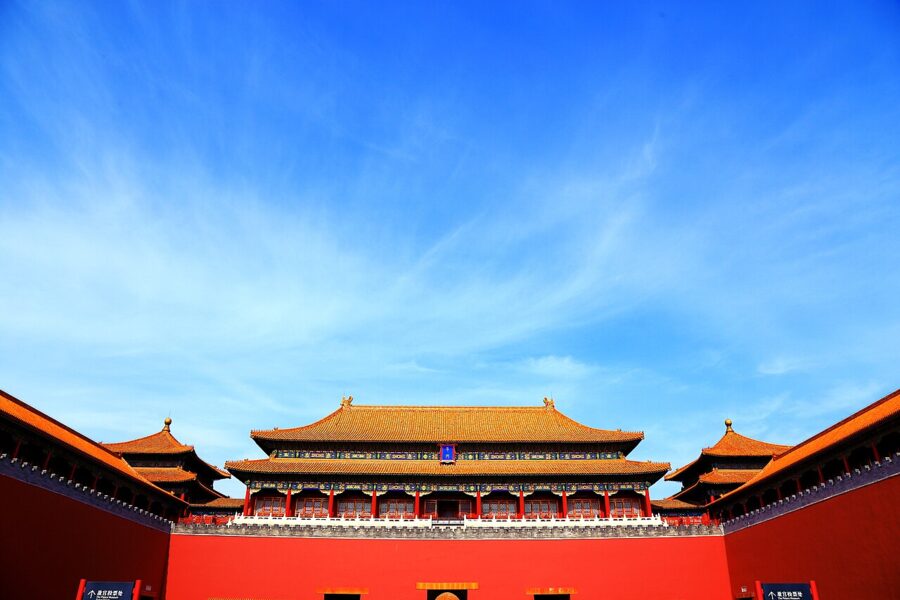

The Ming and Qing emperors’ palace is the one booking you cannot leave to chance. As of 2026, a ticket costs ¥60 (about US$9) from April to October and ¥40 (about US$6) from November to March. Hours are 8.30am to 5pm in summer (last entry 4pm) and 8.30am to 4.30pm in winter (last entry 3.30pm), and it closes on Mondays except on national holidays.
The daily cap is 40,000 and nothing is sold on the day. Each date opens for booking seven days ahead at 8pm, through the museum’s official site or its WeChat mini program, with your passport number. The Treasure Gallery and the Gallery of Clocks cost ¥10 (about US$1.50) each and can be booked alongside the main ticket.
From Tiananmen you walk north through the Duanmen gate to the Meridian Gate, the only way in, and leave by the Gate of Divine Prowess (Shenwumen) in the north or the east gate, Donghuamen.
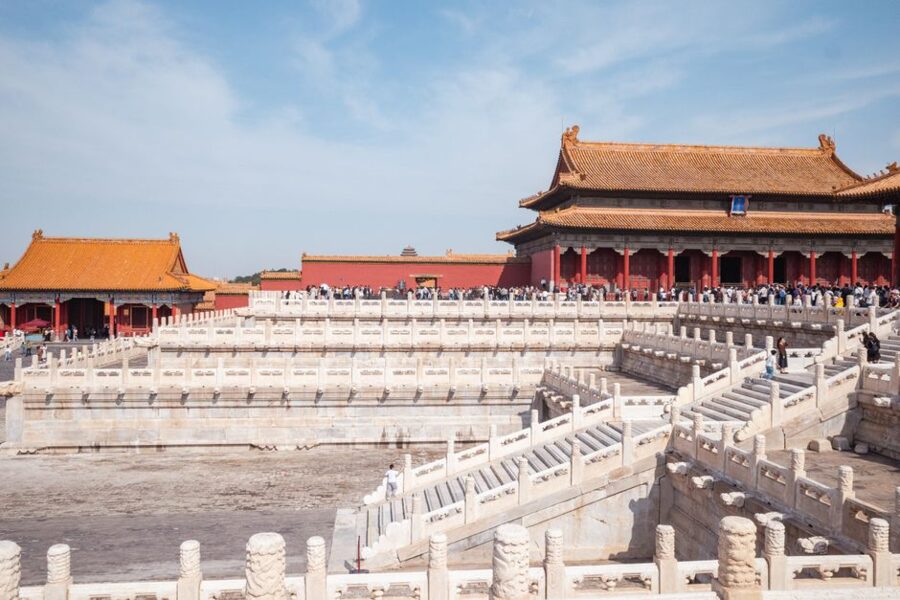
Three routes work. The central axis takes about two hours: the Gate of Supreme Harmony, the three great halls on their marble terrace, the inner palaces and the Imperial Garden, then out at the north gate. Add the east side for the Treasure Gallery in the Palace of Tranquil Longevity, with its Nine Dragon Screen, and the clocks in the Hall of Ancestral Worship, and you need three and a half to four hours. The west side’s smaller residential courts are the quiet option when the axis is shoulder to shoulder.
I would do the axis, then the east side, and decide on the west with what energy is left. Bring water: the distances are longer than they look.
Jingshan Park: the view back over the roofs
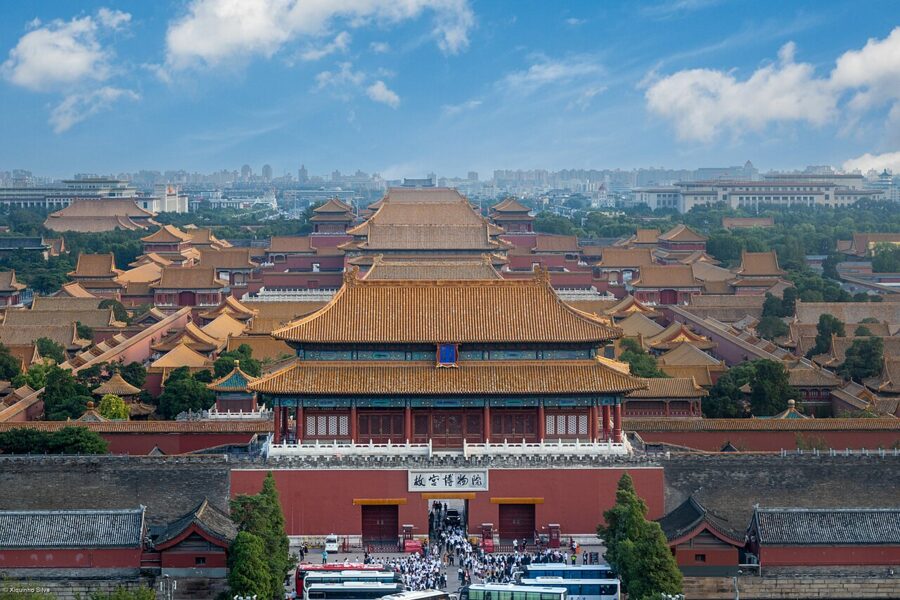

Leave by the Gate of Divine Prowess, cross the road, and you are at Jingshan Park’s south gate. The hill was piled from the earth dug for the palace moat, and its summit pavilion explains the palace’s plan better than any map.
Entry is ¥2 (under US$0.50), or ¥10 during exhibitions. The park opens at 6am from April to October (last entry 8.30pm) and 6.30am from November to March (last entry 7.30pm). Allow 45 minutes; the climb takes ten.
The Temple of Heaven
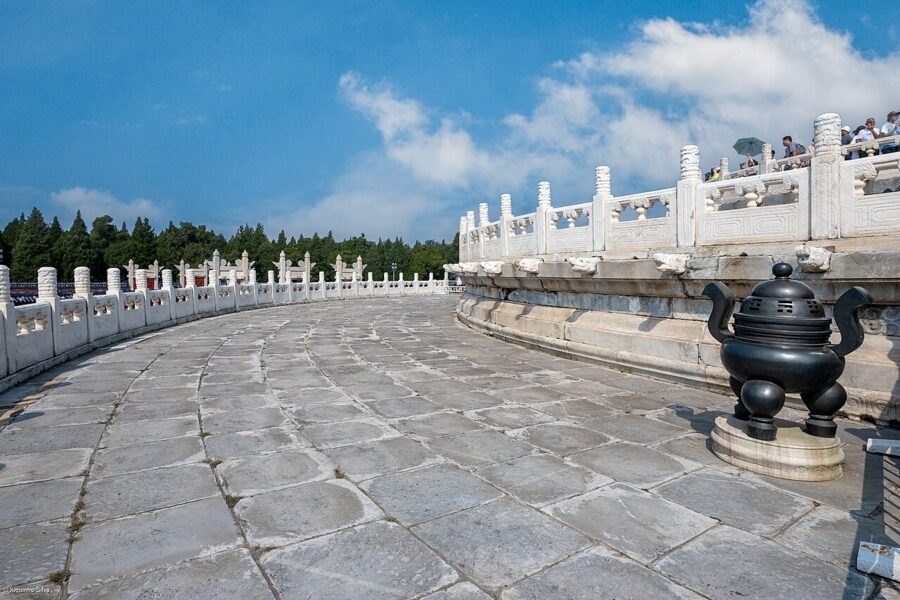

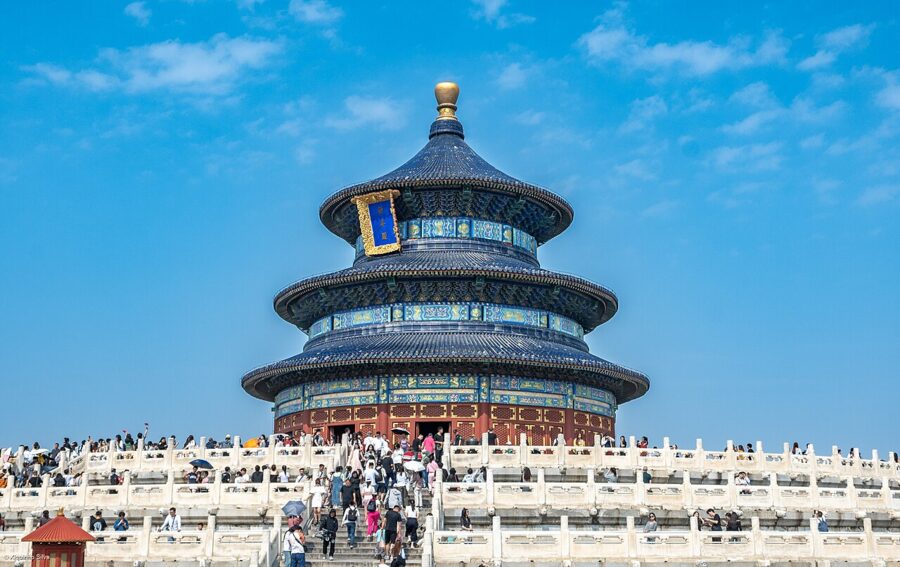
Ming and Qing emperors came here to pray for the harvest. The park is the best place in Beijing to watch the city’s morning: tai chi, dancing, choirs and card games along the Long Corridor from first light.
Buy the combined ticket, not the gate ticket. The park gate costs ¥15 (about US$2) and does not get you into the Hall of Prayer for Good Harvests, the Echo Wall and the Imperial Vault of Heaven, or the Circular Mound Altar; the combined ticket at ¥34 (about US$5) covers them all. From November to March the prices drop to ¥10 and ¥28.
The park opens at 6am and closes at 10pm (last entry 9pm). The halls open from 8am to 6pm, last entry 5.30pm, and close on Mondays except public holidays. Book through the “Visiting Beijing Parks” or “Temple of Heaven” WeChat accounts with your passport, one to seven days ahead; hall tickets can sometimes be added at the entrance by QR code if there is room.
Arrive by Line 5 at Tiantan Dongmen, take the east gate and walk the axis south from the Hall of Prayer to the Circular Mound. Two to three hours is right. If you are short of time, give it the first morning slot of a day: by 10am the tour groups have arrived at the Hall of Prayer.
The Lama Temple and the Confucius Temple
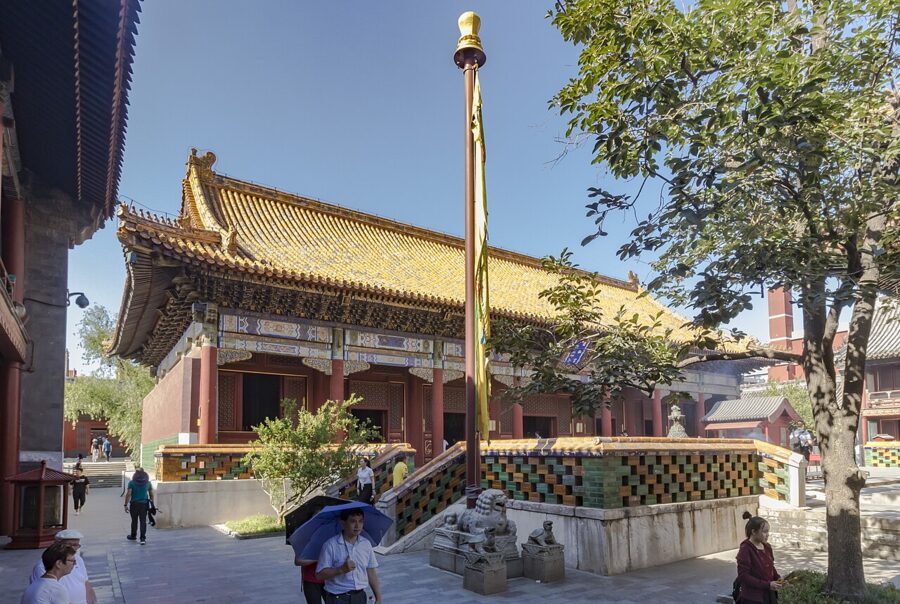

These two make a half-day in the north-east of the old city, five minutes’ walk apart near Yonghegong station (Lines 2 and 5). Start at the Lama Temple at 9am.
The Lama Temple (Yonghegong)
The ticket is ¥25 (about US$4), and as of 2026 the temple runs timed entry, booked through its official WeChat mini program or with your passport at the ticket window. In winter the last entry is 4pm and the temple clears at 4.30pm. It is open daily, which makes it a good Monday choice.
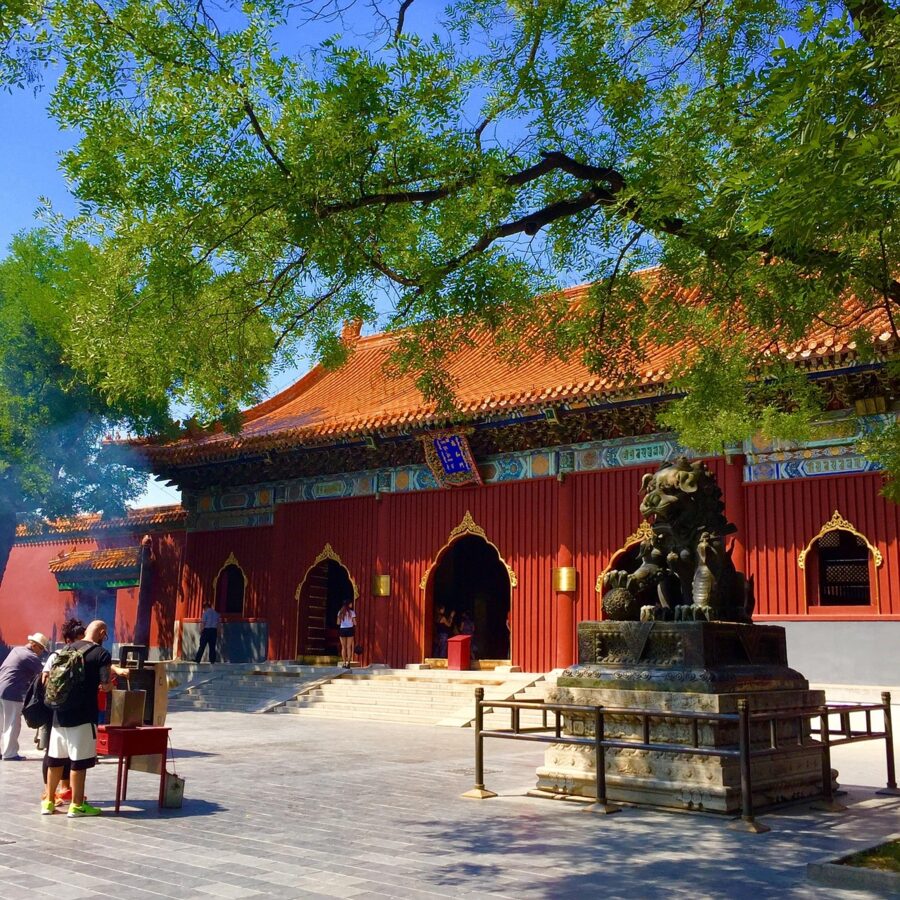
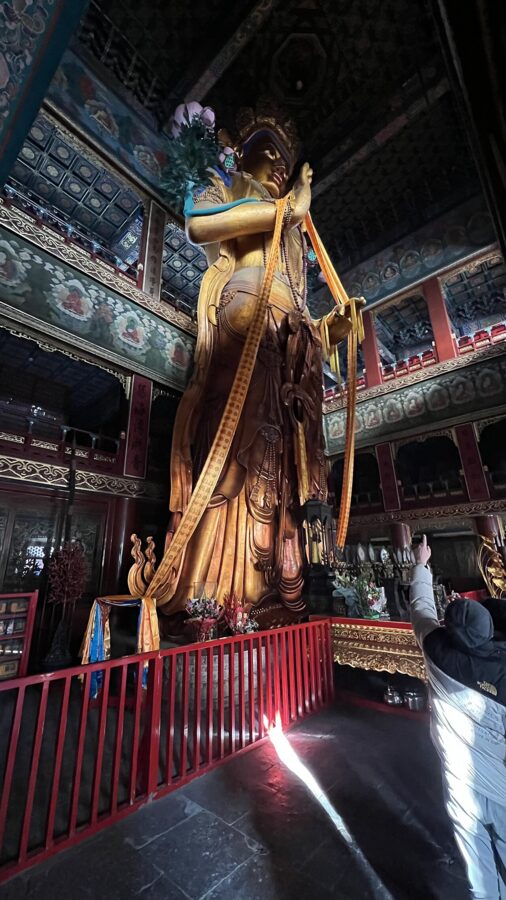
Walk the five main halls in sequence from the south. The last, the Wanfu Pavilion, holds the reason most people come: a standing Maitreya Buddha carved from a single trunk of white sandalwood, 18 metres above ground with a further 8 below. Allow an hour and a half; people here are praying.

The Confucius Temple and the Imperial Academy
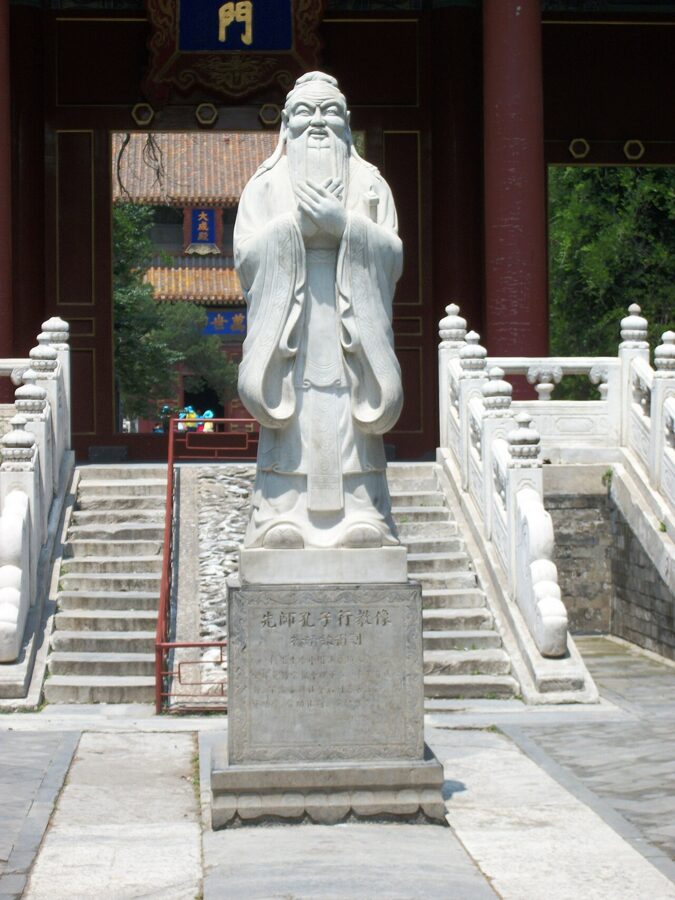
Across Yonghegong Dajie, Guozijian Street runs under its old memorial arches to the Confucius Temple and, next door, the Guozijian, the Imperial Academy where the empire trained its officials. The courtyards hold 198 stone steles carved with the names of more than 51,000 scholars who passed the highest imperial examination.
The museum opens 9am to 5pm, last entry 4.30pm, and closes on Mondays (it switched to Tuesdays for the summer holidays in 2026, then back from 31 August). An hour covers both, and it is calm after the Lama Temple.
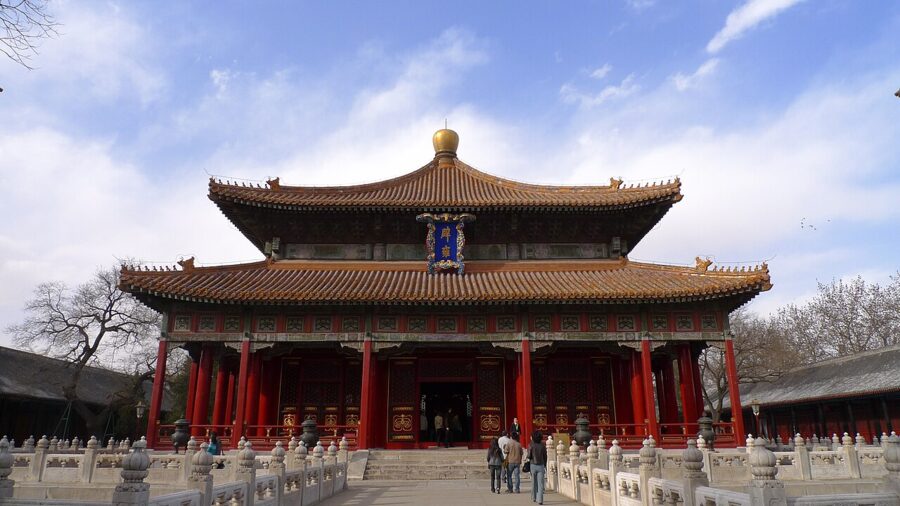

The Summer Palace
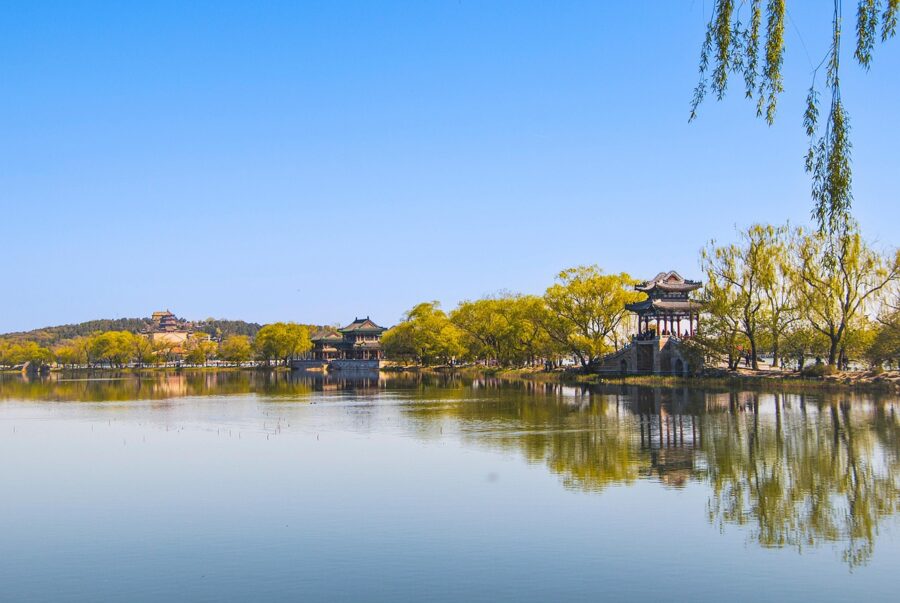
The imperial retreat in the north-west is a man-made lake with Longevity Hill above it. Anglo-French troops burned it in 1860, and the Empress Dowager Cixi rebuilt it in the 1880s. Give it a half-day.
Entry costs ¥30 (about US$4.50) from April to October and ¥20 (about US$3) from November to March. A combined ticket, ¥60 or ¥50 by season, adds the Tower of Buddhist Incense, Suzhou Street and the Garden of Virtue and Harmony. Gates open at 6am in summer and 6.30am in winter; the extra-charge sights run from 8am to 5.30pm (8.30am to 4.30pm in winter, when they also close on Mondays). Book one to seven days ahead on the park’s WeChat account, or at the ticket office with your passport.
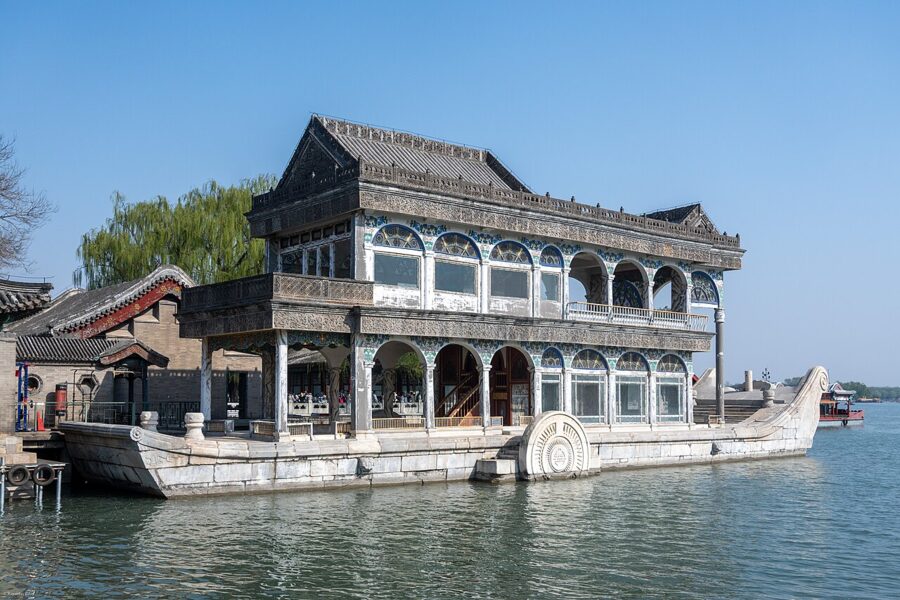

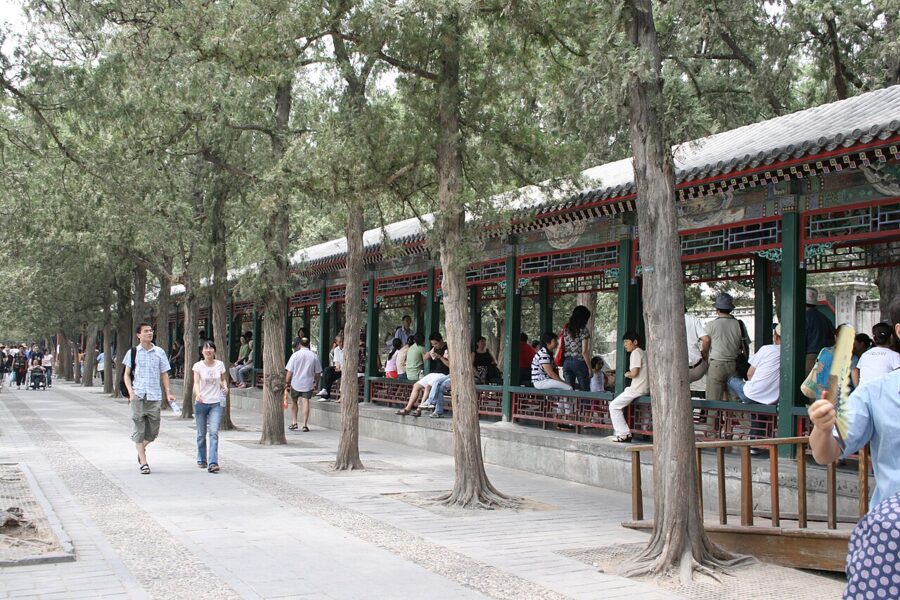
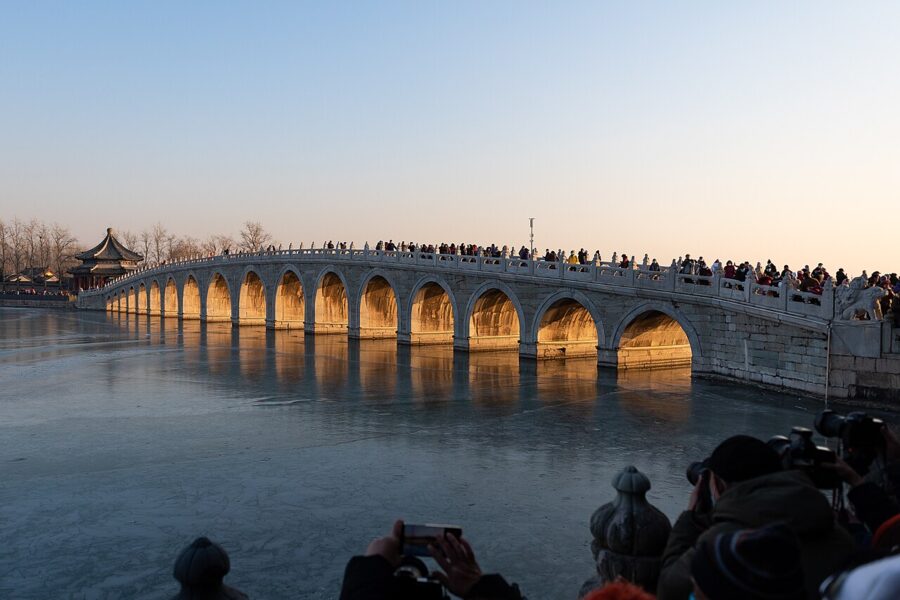
My order: take Line 4 to Beigongmen, enter by the North Palace Gate, cross Suzhou Street and climb over Longevity Hill to the Tower of Buddhist Incense. Come down to the Long Corridor, a painted covered walkway that runs for 728 metres along the shore, then follow the lake east past the Marble Boat (backtrack west for it if you prefer) to the Seventeen-Arch Bridge. Leave by the East Palace Gate. That is three to four hours with stops.

The hutongs, Shichahai and the Drum Tower
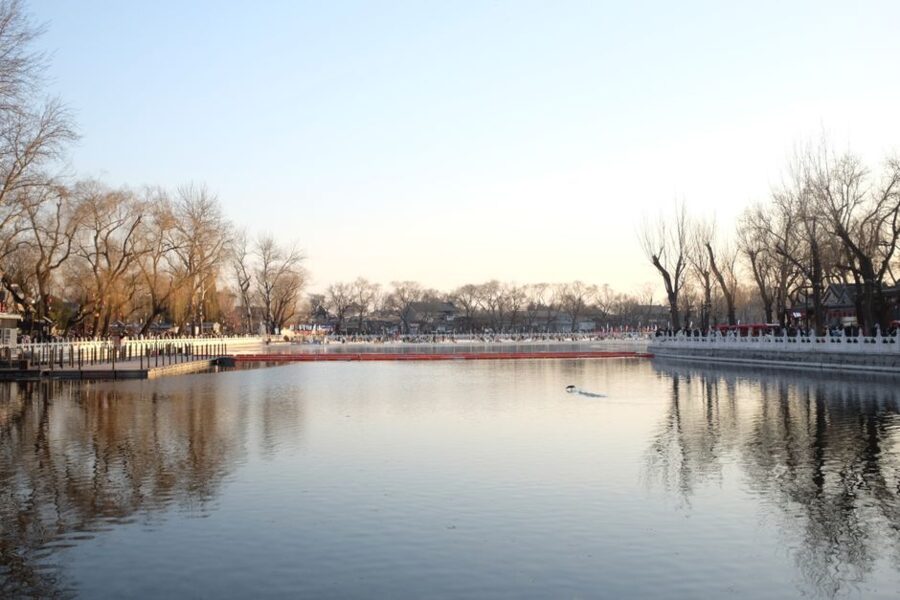
Hutongs are the lanes of courtyard houses that once made up most of old Beijing. The best-kept stretch is around Shichahai, the three lakes (Qianhai, Houhai and Xihai) north of Jingshan. It is free and best in the late afternoon.
Walk it rather than taking a pedicab tour. From the Silver Ingot Bridge between Qianhai and Houhai, wander the lakeshore, then take Yandai Xiejie, the old tobacco-pipe lane, east to the Drum Tower. Nanluoguxiang, further east, is the most famous hutong and the most crowded; I would see it once, briefly, and spend longer in the side lanes off it.
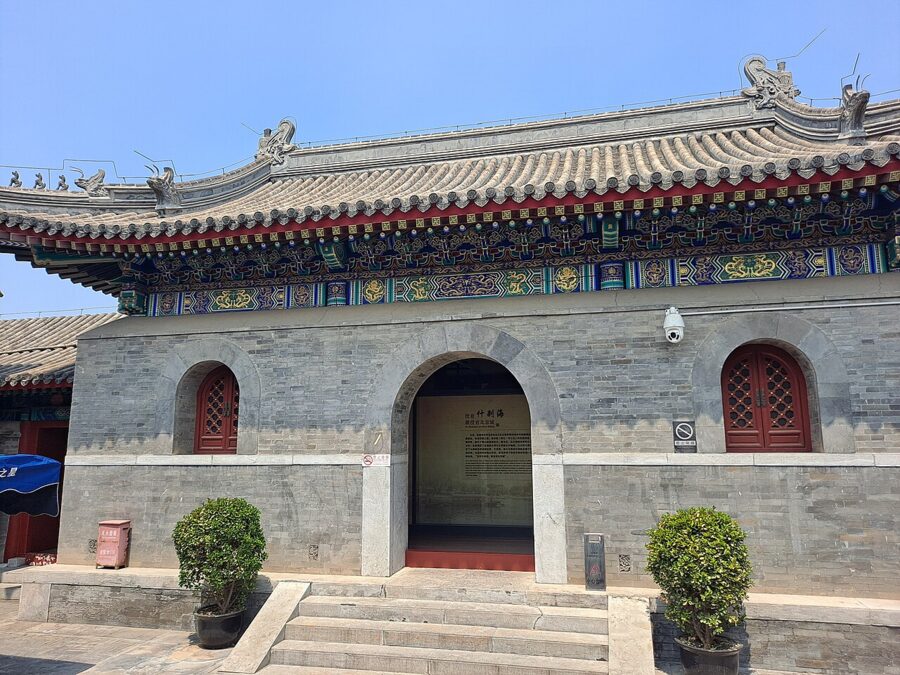

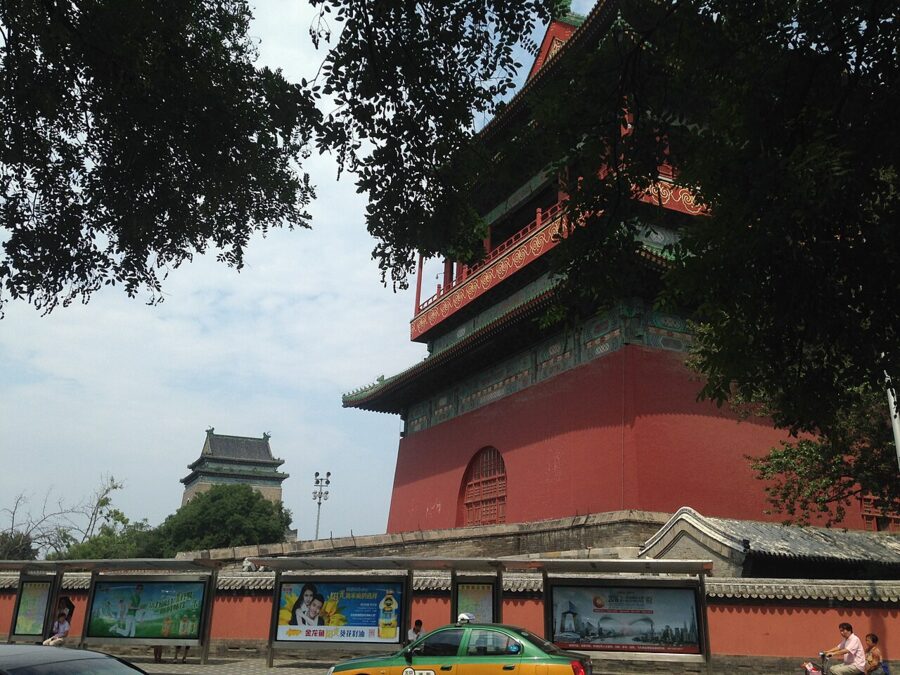

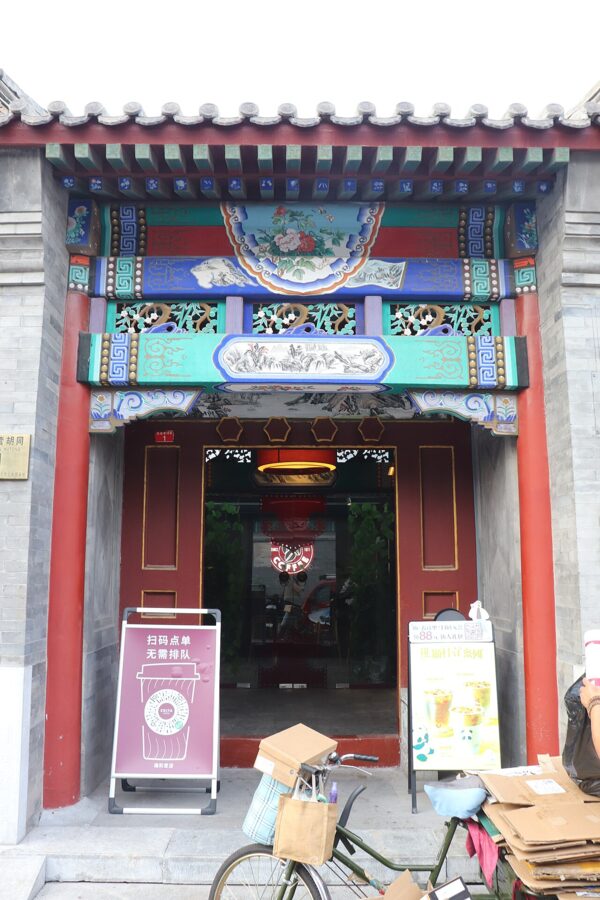
The Drum and Bell Towers stand at the north end of the Central Axis. If you are staying near Yonghegong instead, Wudaoying Hutong, just west of the Lama Temple, has cafés and small shops in restored courtyard frontages.

Peking duck, and where to eat it
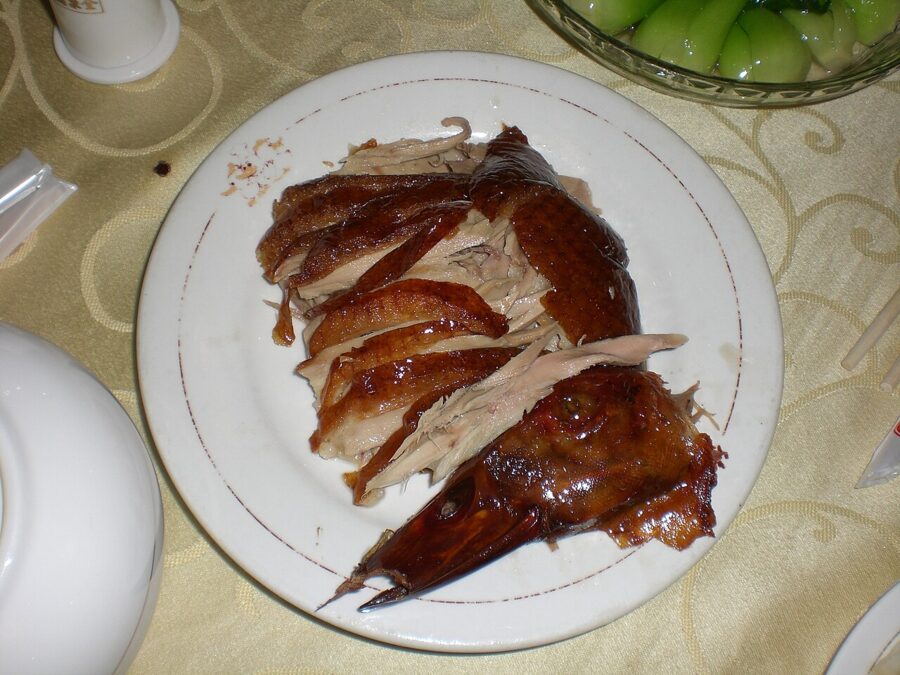

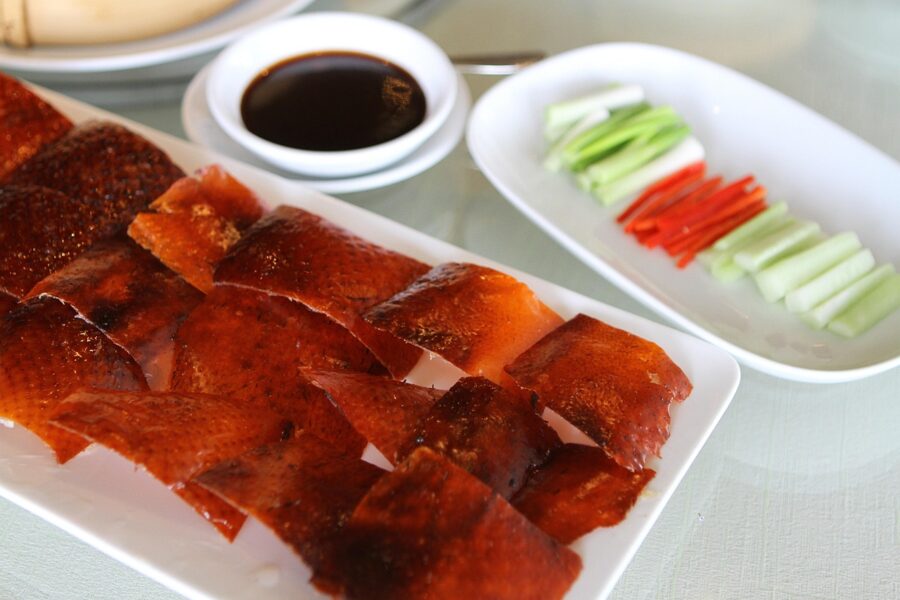
Peking duck is roasted until the skin is crisp and dark, carved at the table and eaten wrapped in thin pancakes with sliced spring onion, cucumber and sweet bean sauce. The first slices are often skin alone, served with sugar for dipping. A whole duck feeds three or four; most restaurants also sell a half.
Two names hold their own in 2026. Siji Minfu’s Forbidden City branch, on Nanchizi Dajie beside the palace’s east gate, is the one everyone wants, and the queues show it: at lunch on 27 September 2026 more than 200 small tables were waiting. Go at 10.30am when it opens, or late in the afternoon. Quanjude, the old name in duck since 1864, still runs its branch on Wangfujing, east of the palace, and it was on the city government’s Spring Festival dining list in February 2026.
Online queuing is often switched off at peak times, so take a number in person.
The Great Wall: which section, and how to get there
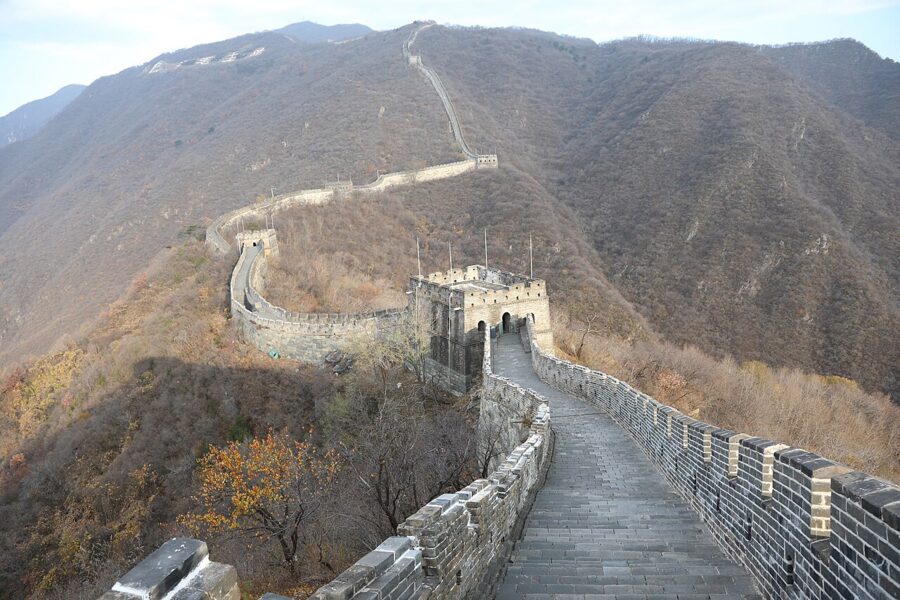
For most first-timers my answer is Mutianyu, on a Monday.
Mutianyu
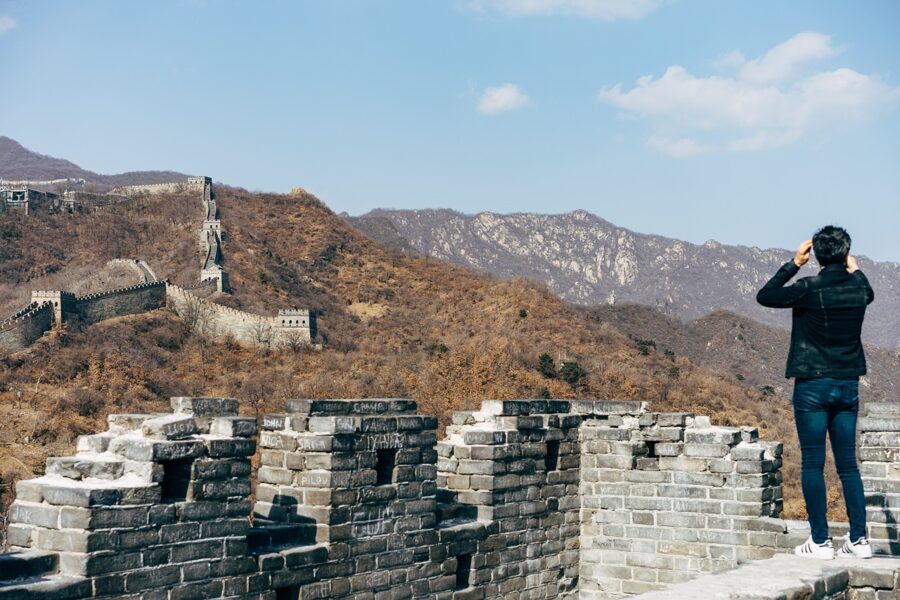
Mutianyu is restored, wooded and walkable, with towers close together. As of 2026, it opens 7.30am to 6pm on weekdays and to 6.30pm at weekends from 16 March to 15 November, and 8am to 5.30pm in winter; ticket sales stop an hour before closing. Day visits cover towers 1 to 20 only.
Tickets are real-name and can be booked up to 30 days ahead with a passport; you scan the passport at the gate. Entry costs ¥40 (about US$6), or ¥45 with the souvenir postcard ticket, and the enclosed cable car costs ¥100 (about US$15) one way or ¥140 (about US$21) return. The shuttle bus from the visitor centre to the foot of the wall saves a 3 km walk uphill; take it.
Getting there: the simplest way is a hired car or a Didi from the city, about an hour and a half each way, leaving by 7am. By public transport, the 916 Express bus from Dongzhimen runs to Huairou, where you change to a local bus or taxi for the last stretch; allow up to three hours each way.
Badaling
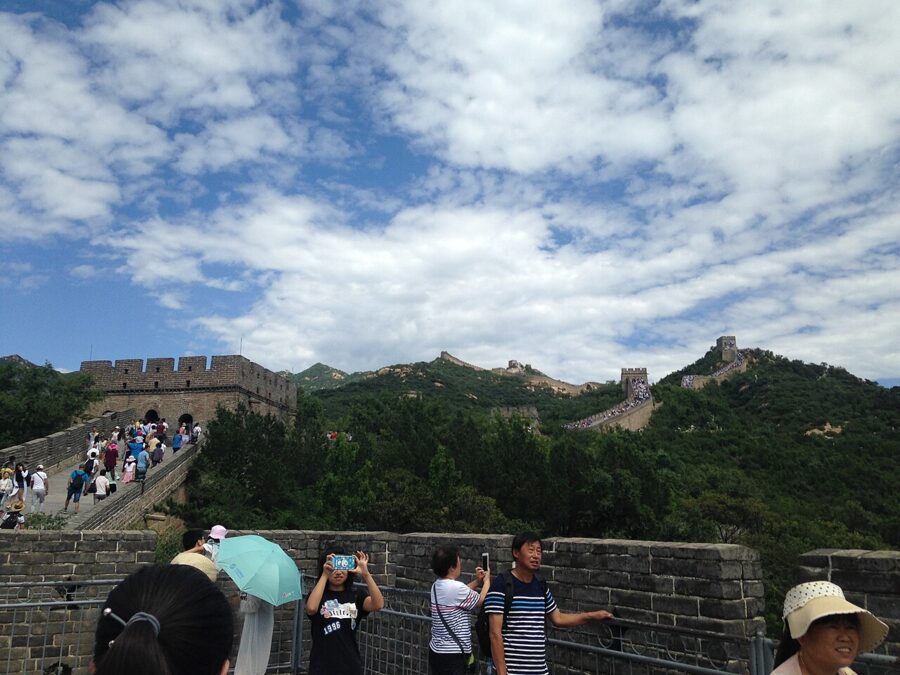

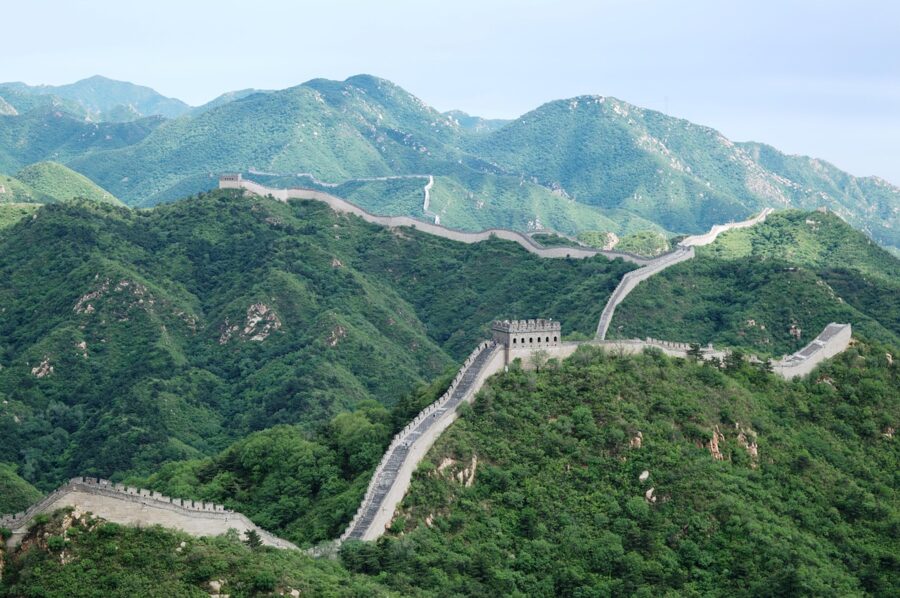
Badaling, about 60 km north-west, is fully restored, broad, with handrails, and the easiest section to reach by train. Tickets cost ¥40 from April to October and ¥35 (about US$5) from November to March.
Two railways serve it, and they stop at different stations. The S2 suburban line runs from Huangtudian, a short walk from Huoying station on Lines 8 and 13, to Badaling station near the wall. High-speed trains on the Beijing to Zhangjiakou line stop at Badaling Great Wall station, deep inside the mountain about a kilometre away, with services from Qinghe. Since February 2026 an airport bus also runs from Capital Airport via Deshengmen to Badaling, ¥30 to ¥80, booked through a mini program.
Jinshanling
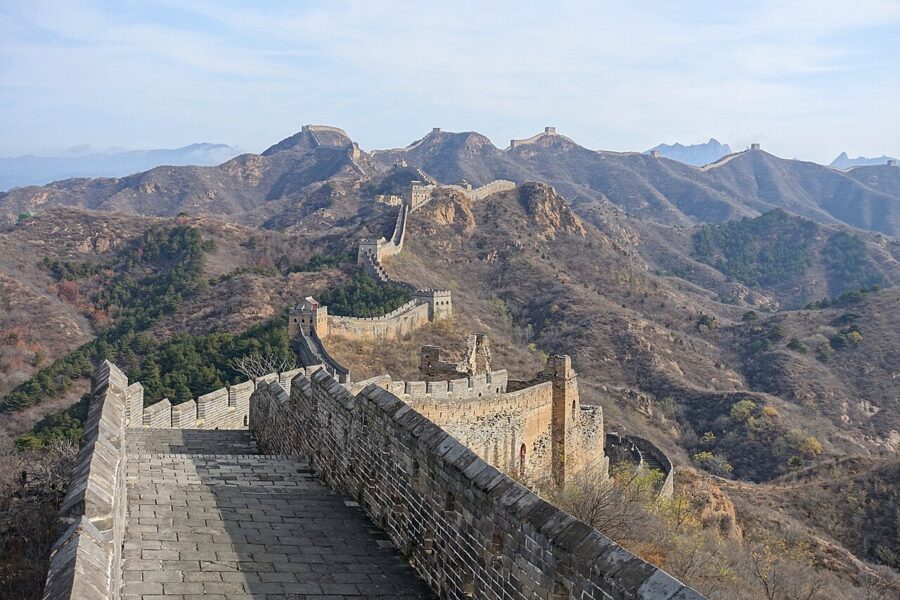

Jinshanling lies over the provincial line in Hebei, about two and a half to three hours’ drive from central Beijing. It is partly restored and partly original, with long ridge-top views and far fewer people. Ticket listings in 2026 give ¥65 (about US$10) from April to October and ¥55 in winter. Go by private car or an organised day trip, and allow a full day; the walk itself takes three to four hours.
Jiankou: for hikers, with a caveat
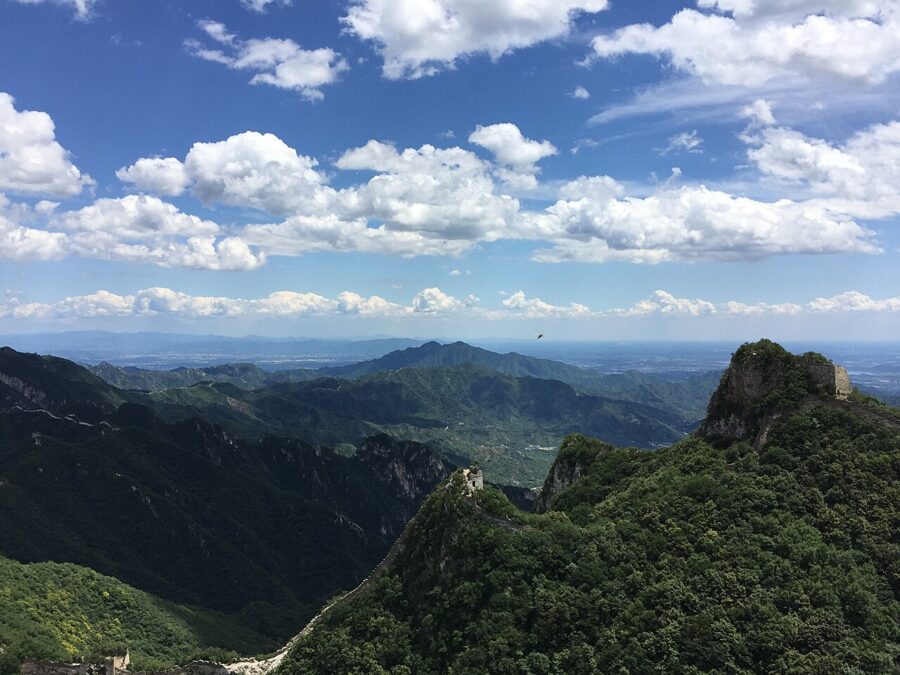

Jiankou is the unrestored wall on knife-edge ridges west of Mutianyu, and it is not an approved visitor area. Beijing prohibits climbing unopened sections, and a new Great Wall protection regulation took effect on 1 March 2026, with warning signs and electronic fences along such stretches.
The crumbling masonry is dangerous too. If you want wild-looking wall legally, walk Jinshanling.
The sections compared
| Section | From central Beijing | Character | Ticket (as of 2026) | Best for |
|---|---|---|---|---|
| Mutianyu | About 70 km, 1.5 hours by car | Restored, wooded, cable car and toboggan | ¥40 entry; cable car ¥140 return | A first visit, families |
| Badaling | About 60 km, train or bus | Fully restored, busiest, handrails | ¥40 (¥35 in winter) | Limited mobility, no car |
| Jinshanling | About 3 hours by car (Hebei) | Partly restored, long ridge walk | About ¥65 (¥55 in winter) | Photographers, keen walkers |
| Jiankou | Beyond Mutianyu, Huairou district | Unrestored, steep, not open | Not an approved visitor area | Looking at, not climbing |
The Ming Tombs
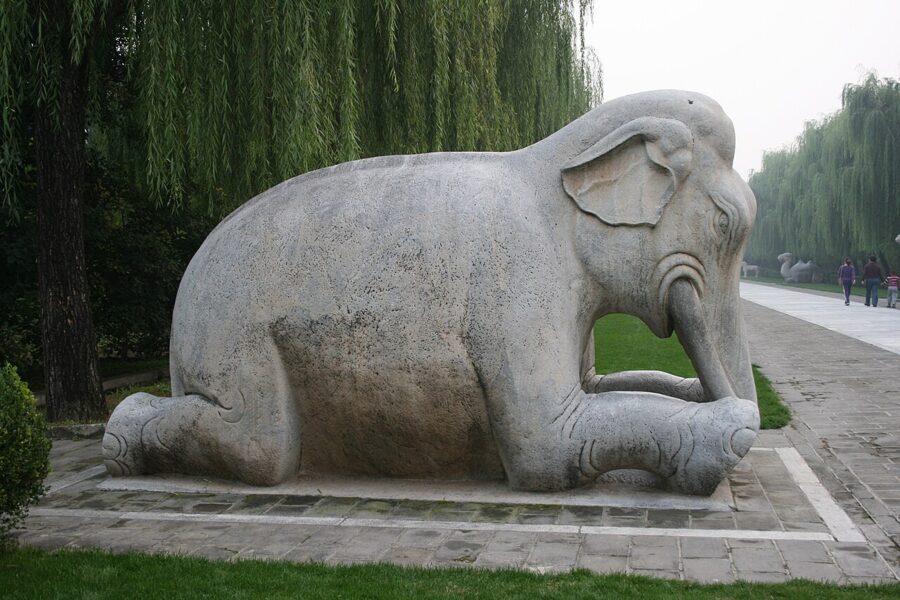
Thirteen Ming emperors are buried in a valley about 50 km north of the city, and the site pairs easily with Badaling by car on the same day. Three parts are open: the Sacred Way, the avenue of stone figures; Changling, the tomb of the Yongle Emperor, who built the Forbidden City; and Dingling, the only one whose underground chamber has been excavated.
As of 2026, tickets in the April to October season cost ¥60 for Dingling, ¥45 (about US$7) for Changling and ¥20 for the Sacred Way; in winter Changling drops to ¥30 and the Sacred Way to ¥15. The tombs open 8.30am to 5.30pm in summer and 8.30am to 4.30pm in winter, and tickets are sold on site.
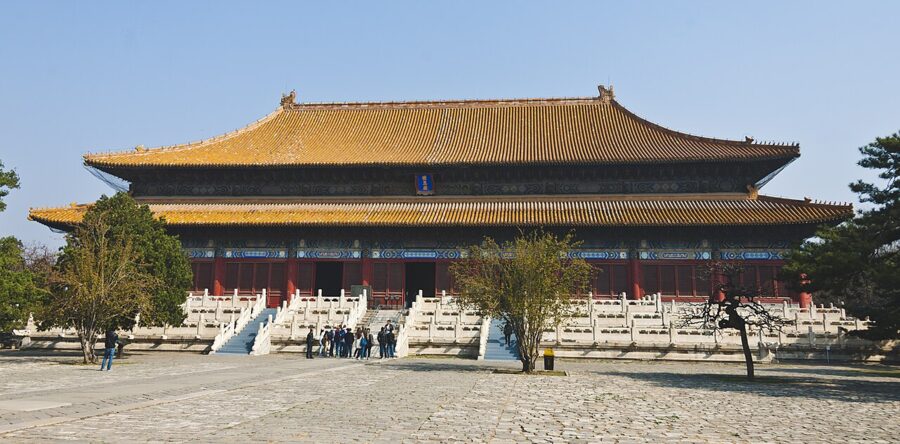

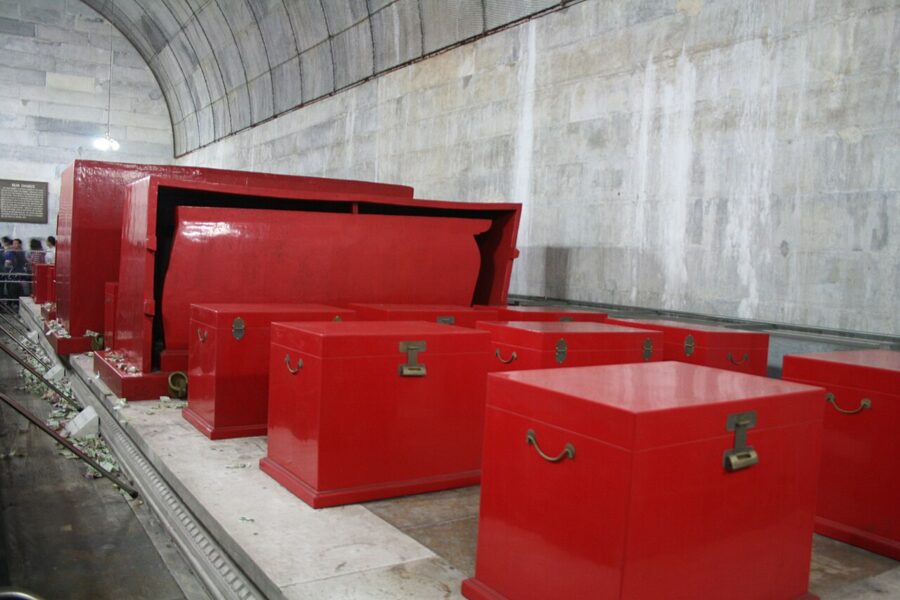
If time allows one tomb, make it Changling for the hall, then the Sacred Way. Dingling’s underground vault is famous but bare; most of its treasures went to museums after the 1950s excavation.
The 798 art district
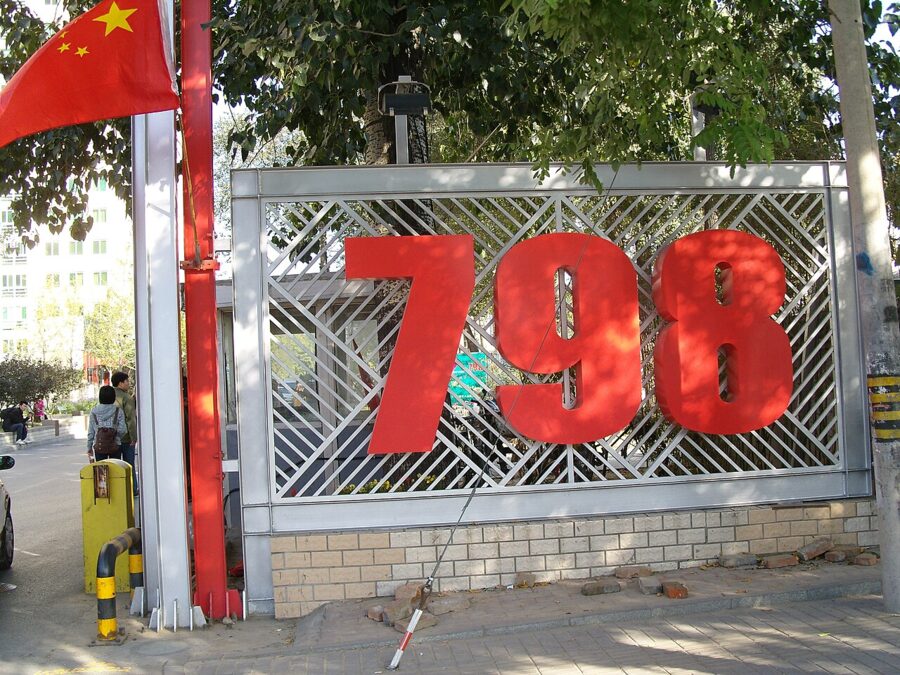

The 798 Art District in Dashanzi, north-east Beijing, fills a former factory complex of saw-tooth roofs and brick halls with galleries, studios, cafés and design shops. Walking the lanes is free. The anchor is the UCCA Center for Contemporary Art, in factory halls built in 1957, which charges for its exhibitions; Carsten Höller’s show runs there until 31 January 2027.
It is a good half-day when the imperial sights wear thin. Go Tuesday to Sunday, as many galleries close on Mondays; Capital Airport is on the same side of the city.
Hours, prices and booking at a glance
All as of November 2026, high season (April to October) unless stated; winter hours are shorter. “Passport” means a real-name ticket tied to your passport number.
| Sight | Hours | Ticket | Booking |
|---|---|---|---|
| Forbidden City | 8.30am–5pm (winter 4.30pm); closed Mondays | ¥60 (winter ¥40); galleries ¥10 each | Passport, 7 days ahead at 8pm; none on the day |
| Tiananmen Square | Flag-raising at sunrise | Free | Passport, WeChat mini program, 1–7 days ahead |
| Tiananmen gate tower | 8.30am–5pm (winter 4.30pm); closed Mondays | ¥15 | Released 5pm daily, up to 7 days ahead |
| Jingshan Park | 6am–9pm (winter 6.30am–8pm) | ¥2 | Not needed |
| Temple of Heaven | Park 6am–10pm; halls 8am–6pm, closed Mondays | ¥15 park; ¥34 combined (winter ¥10/¥28) | Passport, WeChat, 1–7 days ahead |
| Summer Palace | From 6am; inner sights 8am–5.30pm | ¥30; ¥60 combined (winter ¥20/¥50) | Passport, WeChat or ticket office |
| Lama Temple | From 9am daily; winter last entry 4pm | ¥25 | Timed entry, mini program or passport at window |
| Confucius Temple and Guozijian | 9am–5pm; closed Mondays | Paid entry | Check the museum’s WeChat account |
| Mutianyu | 7.30am–6pm (winter 8am–5.30pm) | ¥40; cable car ¥140 return | Passport, up to 30 days ahead |
| Badaling | 6.30am–4.30pm ticketing (winter 7.30am–4pm) | ¥40 (winter ¥35) | On site or online |
| Ming Tombs | 8.30am–5.30pm (winter 4.30pm) | Dingling ¥60, Changling ¥45, Sacred Way ¥20 | On site |
| 798 Art District | Galleries mostly Tuesday to Sunday | Free to walk | Not needed |
Two-, three- and four-day plans
Each plan keeps the Forbidden City off Monday. Book it first, then build the rest around that date.
Two days
- Day 1, the imperial core. Tiananmen Square at 8am, the Forbidden City from 8.30am (central axis plus the east side), out by the north gate, up Jingshan for the view, then Shichahai and the Drum Tower in the late afternoon. Peking duck for dinner.
- Day 2, the wall. A car to Mutianyu at 7am. Ride up, walk the ridge west towards tower 20 and back, and come down the way your lift ticket covers (the toboggan needs the chairlift ticket, not the cable car). Back by mid-afternoon for the Lama Temple.
Three days
- Days 1 and 2 as above.
- Day 3, temples and lake. The Temple of Heaven at 8am, after an hour of the park’s morning life. Subway across to the Summer Palace for the afternoon, entering by the North Palace Gate and leaving by the East.
Four days
- Days 1 to 3 as above.
- Day 4, the north-east. The Lama Temple at 9am, the Confucius Temple and the Imperial Academy next door, lunch in Wudaoying Hutong, then 798 for the afternoon. Or swap the whole day for Badaling and the Ming Tombs by car, which suits a Monday.
Pack light. Every sight and subway station scans bags, and a daypack that would pass carry-on rules is all a Beijing day needs.
Book the palace at 8pm seven days out, put the wall on Monday and walk the axis from south to north. Beijing then gives you three good days instead of five spent at the wrong gate.