
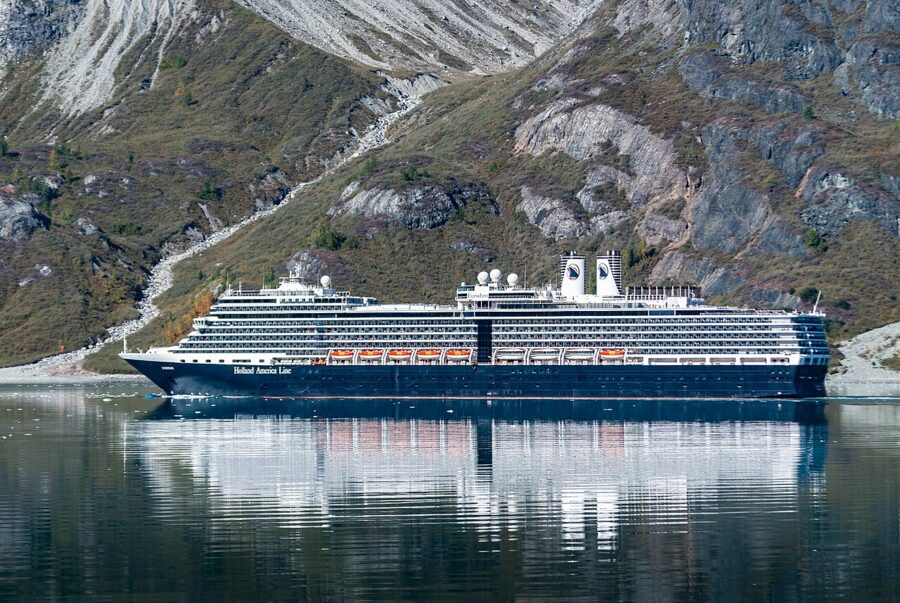

Two cruise ships a day. That is the most the National Park Service lets into Glacier Bay, and only six cruise lines hold the permits to use those slots. Plan an Alaska cruise around that kind of fact, the ones that decide which ice you see and how long you get ashore, and the brochure photos stop looking interchangeable.
Four choices shape everything else: the route, the month, the size of the ship and whether to add a land tour to Denali. Two recent changes still catch people out: Tracy Arm, the fjord south of Juneau, has been off the big-ship map since a landslide in August 2025, and the Denali park road reopens in full in 2027.


The four decisions that shape the trip
The route: round trip or one way
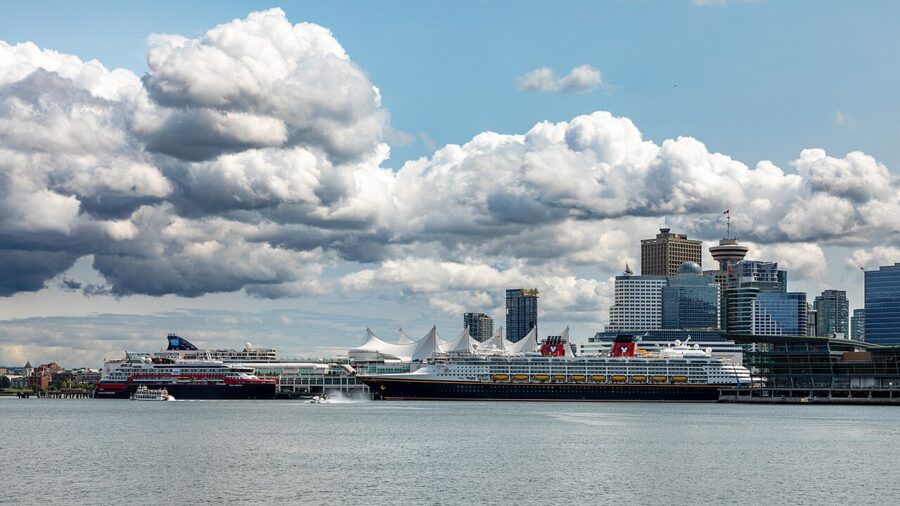
Three patterns cover nearly every big-ship sailing. The Inside Passage round trip leaves Seattle or Vancouver and returns a week later, usually calling at three of Ketchikan, Juneau, Skagway, Sitka and Icy Strait Point, with one glacier day. The one-way Gulf of Alaska cruise runs between Vancouver and Whittier or Seward (the ports for Anchorage), adds a second glacier day such as Hubbard Glacier or College Fjord, and is the one that pairs with Denali. The third is the small-ship expedition, usually a week between Juneau, Sitka and Ketchikan, which skips the big ports for coves and kayaks.
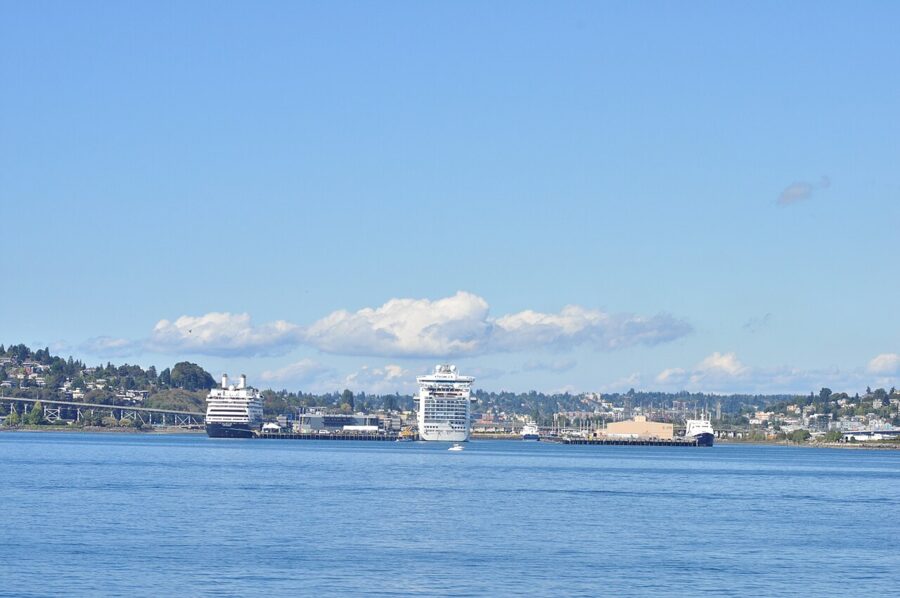
Seattle round trips are the easiest for most Americans: one airport, no Canadian paperwork, and the Port of Seattle will even send your bags from the ship to the airport. The cost is time. A Seattle ship has to go round the outside of Vancouver Island and stop at a Canadian port on the way back, so you lose more of the week to open ocean than a Vancouver sailing does.

I would choose the one-way crossing if this is likely to be your only Alaska trip. You see two glacier days instead of one and finish within reach of Denali. Flights cost more because you land in one country and leave from another, and southbound departures from Whittier tend to be pricier than northbound.
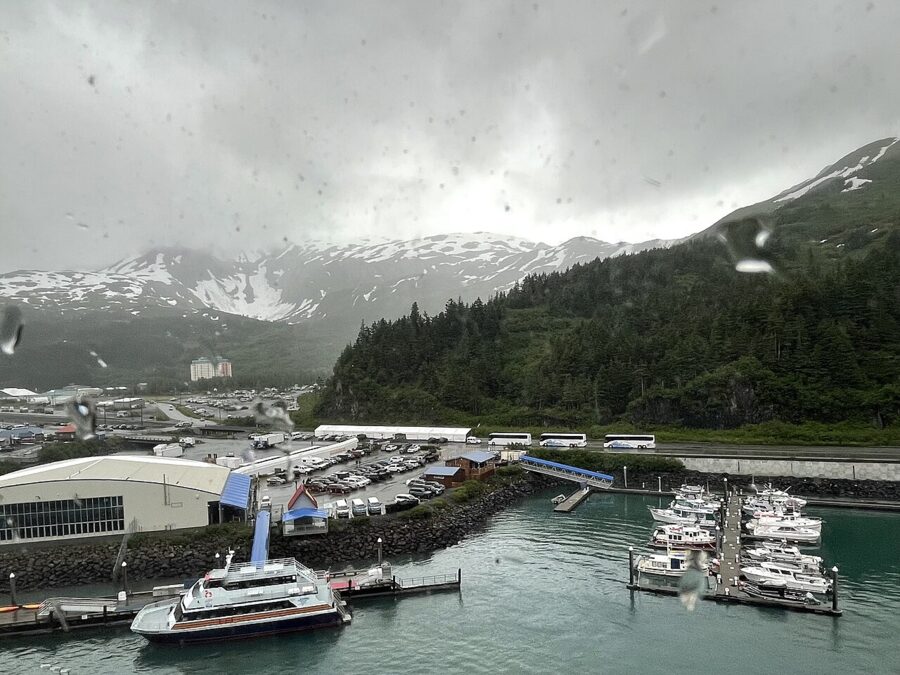

The month
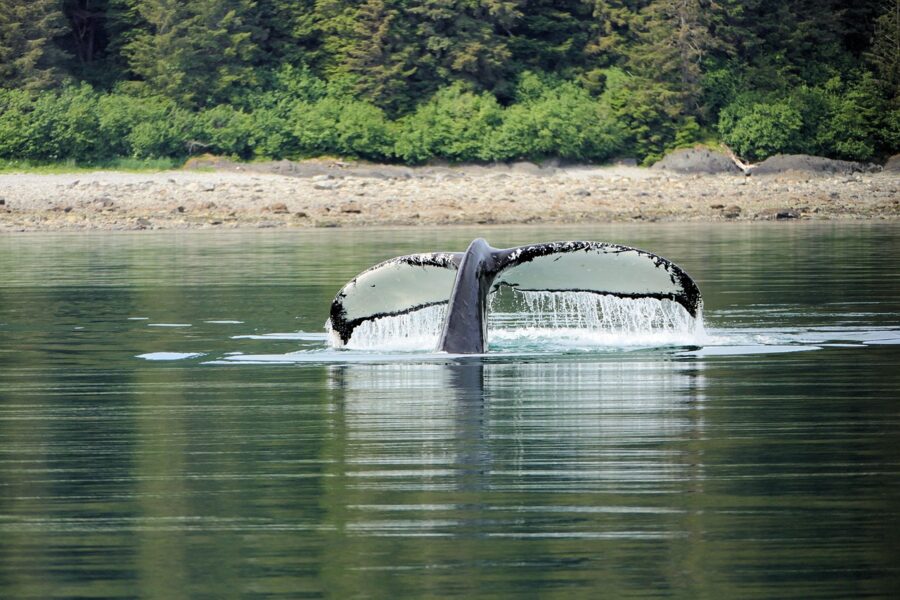
The season runs from late April to early October. June and July bring the longest days and the highest fares, May and September the lowest fares and the coldest decks. Rain is not a variable. The National Park Service counts on about four sunny days a month in Southeast Alaska.
The ship
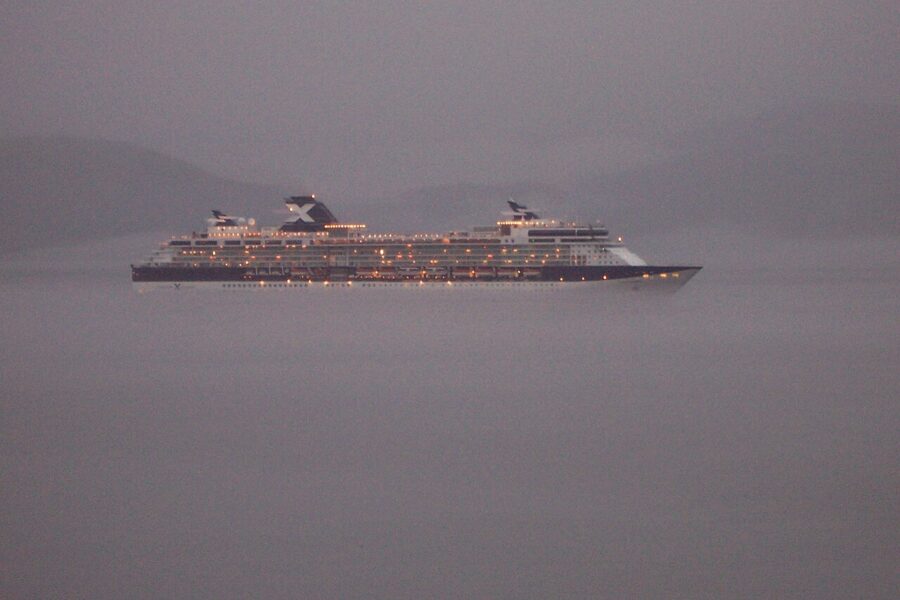
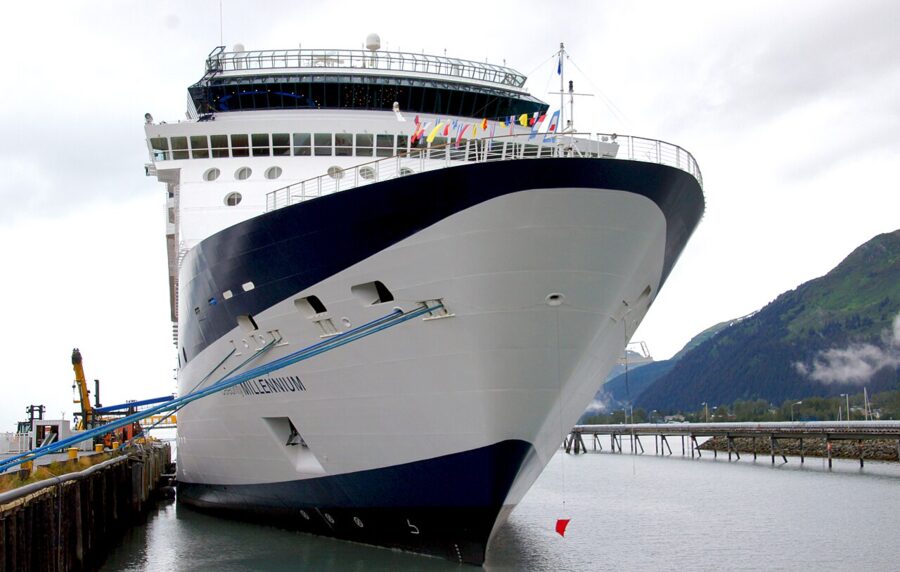
A big ship (2,000 to 4,000 or more passengers) gets you the cheapest fares, the central docks and the permits for Glacier Bay or Hubbard Glacier. A small ship (roughly 20 to 200) gets you anchorages the big ones cannot use and kayaks off the stern. It costs several times as much per day but usually includes excursions, drinks and gratuities, so compare totals.
Cruisetour or not
A cruisetour adds two to ten nights on land, usually Denali, Talkeetna or Fairbanks, to a one-way cruise. It is the simplest way to see the interior, and 2027 is the first summer since 2021 that park buses are expected to run the full road. If you have ten days or more and have not seen Denali, add it. If you have a week, take the round trip and come back.
Alaska cruise season month by month
Glacier Bay’s summer highs sit between 10 and 15°C (50 and 60°F), and wind off the ice makes the decks feel colder.
| Month | What you get | What it costs you |
|---|---|---|
| Late April and May | The lowest fares, snow still low on the mountains, fewer ships in port. Humpback whales are arriving. Denali’s park buses start on 20 May. | Cold decks and some excursions not yet running in the first weeks. |
| June | The longest days (Juneau gets over 18 hours of daylight at the solstice), often one of the drier months, whales feeding in the straits. | Peak fares from mid-June; school holidays fill the ships. |
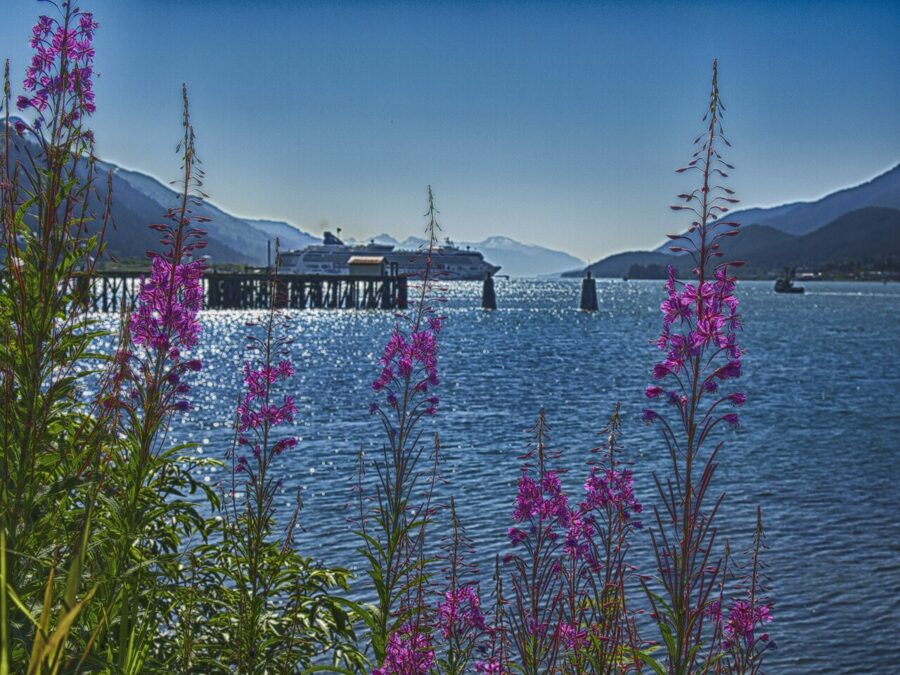
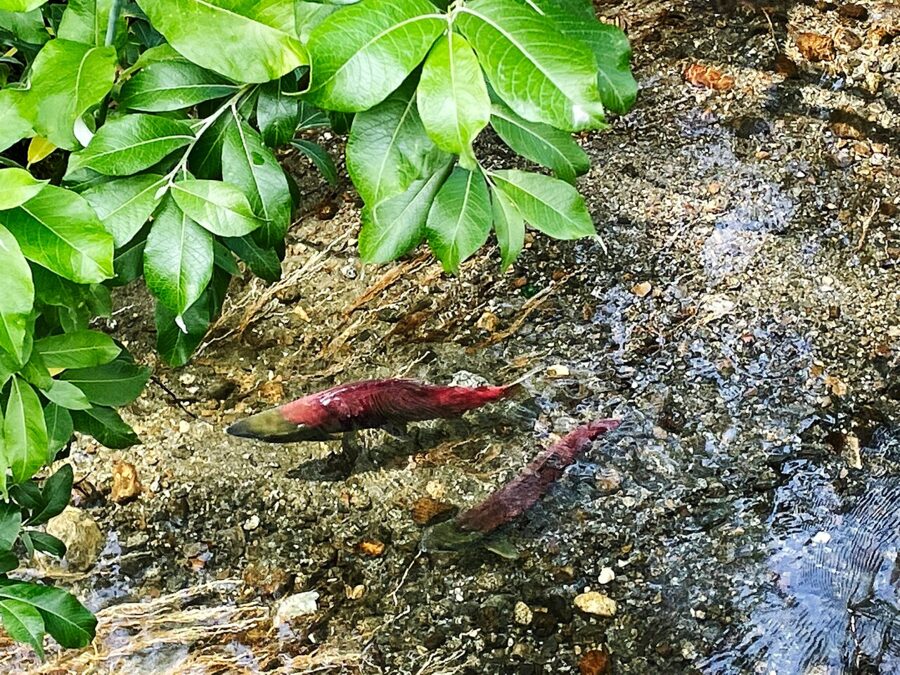
| July | The warmest weather, fireweed in bloom along the shore, every excursion running, salmon starting up the creeks. | The highest fares and the busiest ports. |
| August | Pink salmon runs at their height, bears on the rivers, berries ripe. Late in the summer the seal-pupping limits on Johns Hopkins Inlet lift, so ships may go in. | Rain picks up through the month. |
| September | Lower fares, autumn colour on the cruisetour, dark nights again, so a chance of the northern lights. | The heaviest rain of the season, and Denali’s park buses stop in mid-September. |

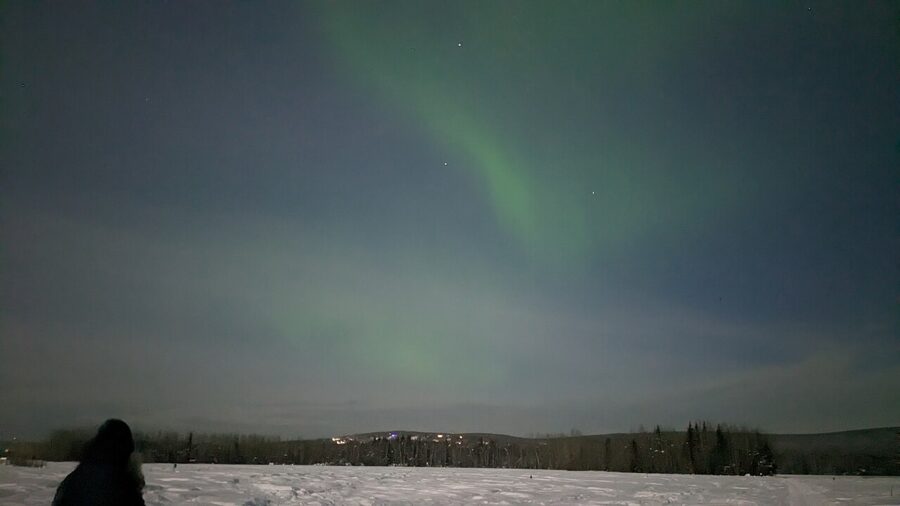
On the northern lights, keep expectations level. The University of Alaska’s Geophysical Institute says the Fairbanks sky is not dark enough to see the aurora between about 22 April and 20 August, and that activity runs stronger near the equinoxes. A September cruisetour through Fairbanks gives you a real chance; a ship in the rainy Inside Passage gives you a small one, and the cloud decides.

The ports, and how to use the day
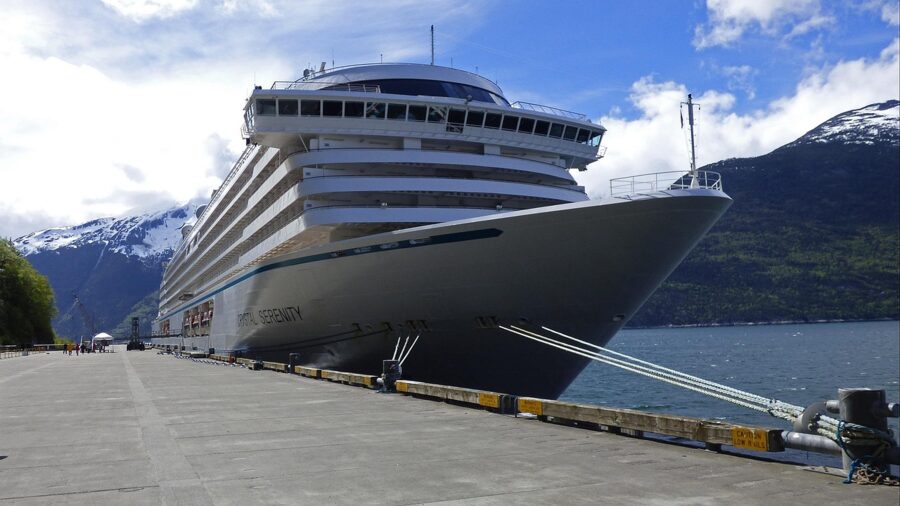
Port days run from morning to early evening. The towns are small and the docks central.
Ketchikan
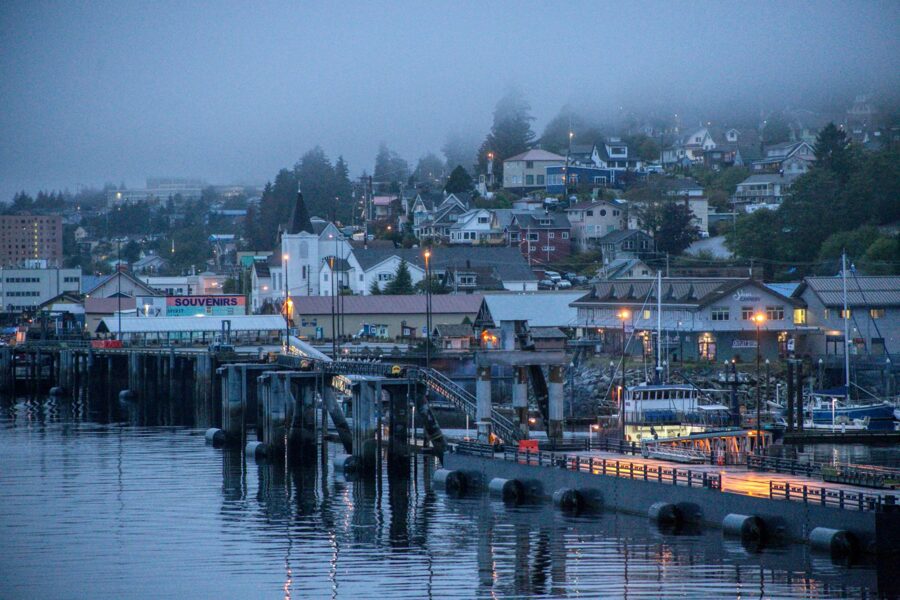
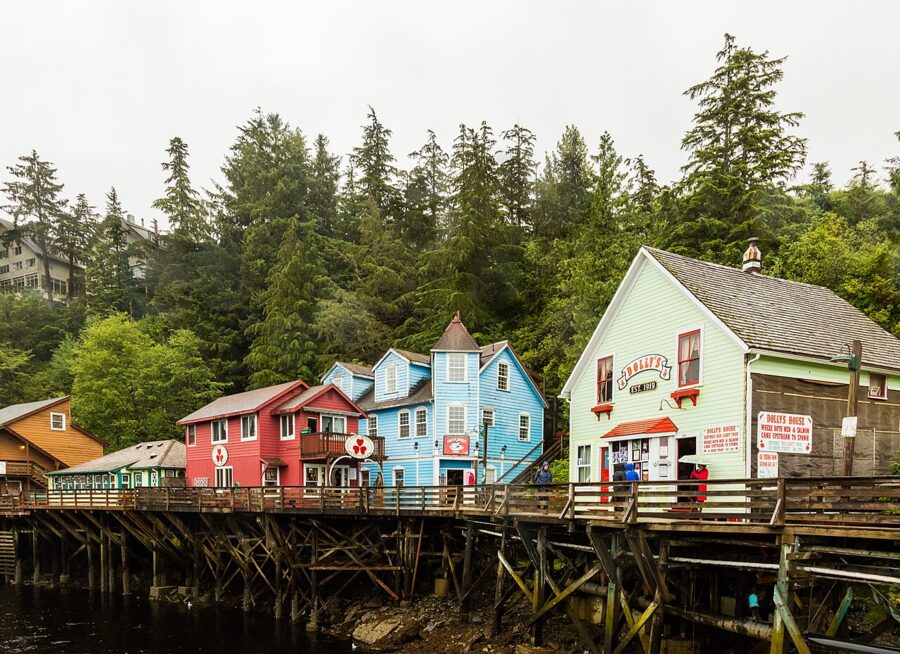
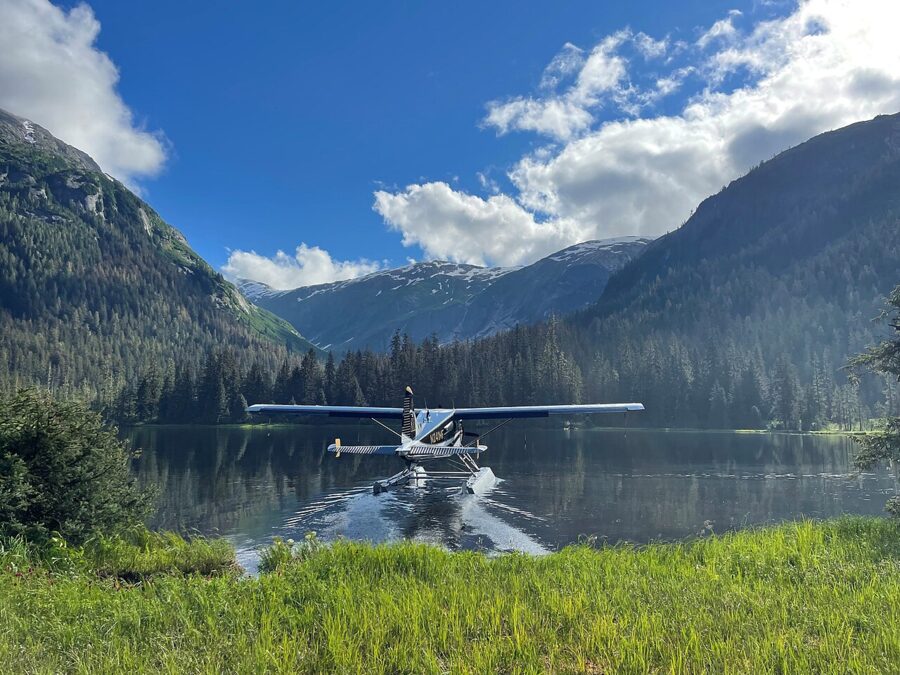
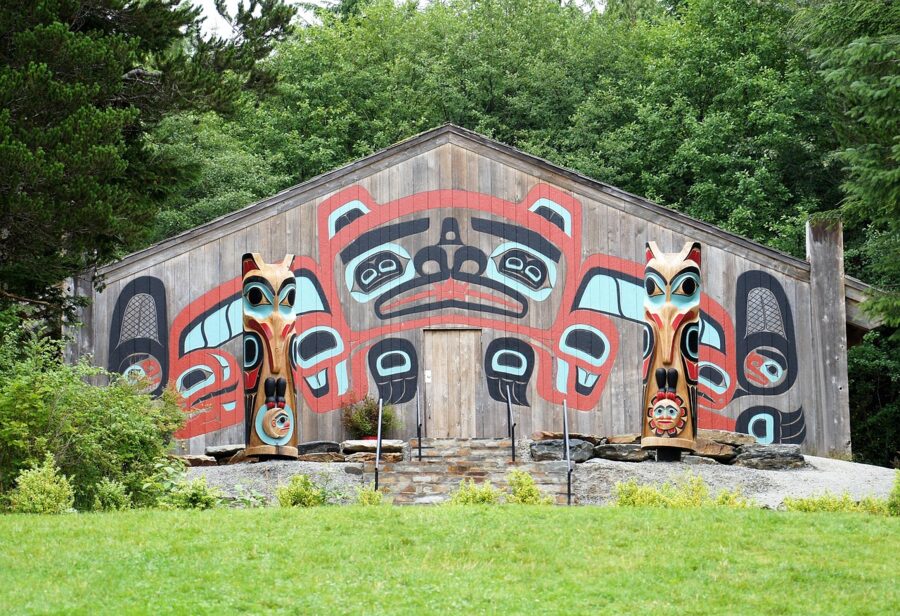
Usually the first Alaska stop, and the wettest: roughly 3.5 metres (around 140 inches) of rain in an average year. Walk Creek Street, the boardwalk of former brothels on stilts over Ketchikan Creek, then see totem poles at Saxman or Totem Bight. The excursion worth its price is a floatplane over Misty Fjords National Monument, weather permitting, which in Ketchikan is never a given.

Juneau and the Mendenhall Glacier
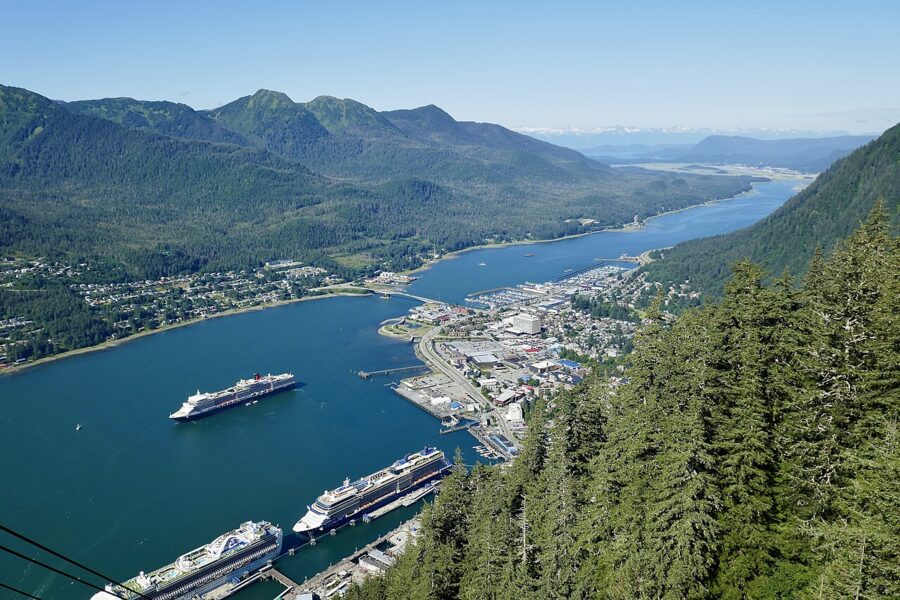
The state capital, with no road to the rest of the world, takes more cruise passengers than anywhere else in Alaska: 1,733,016 of them in 2026. That was also the first year of a voluntary cap agreed with the industry, 16,000 lower berths a day and 12,000 on Saturdays, which spread the ships out more than it cut the totals.

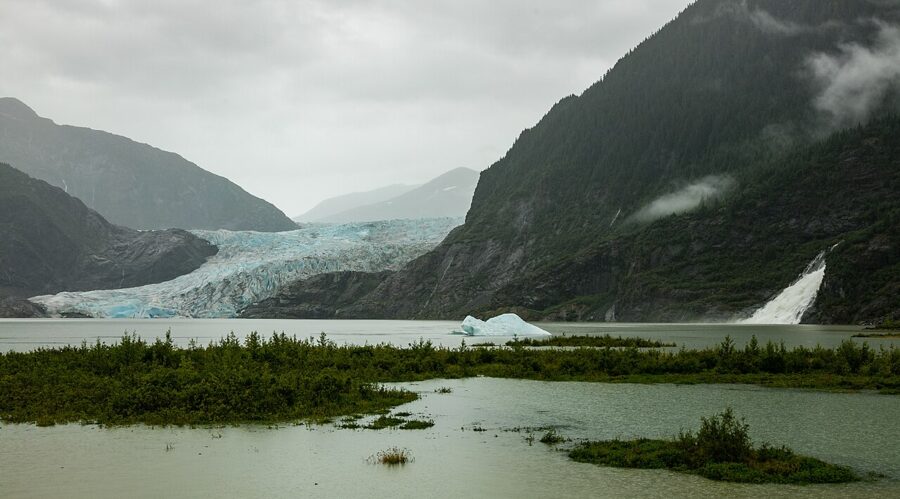
The Mendenhall Glacier Visitor Center is about 20 km (12 miles) from the docks. From May to September it opens 9am to 6pm daily and charges US$5 a person, under-16s free; the grounds open 6am to midnight, and the walk to Nugget Falls needs no pass. Private shuttles leave from the cruise docks, or the city’s Capital Transit bus costs US$2 and drops you at Dredge Lake Road, a flat 2.4 km (1.5 miles) walk away.

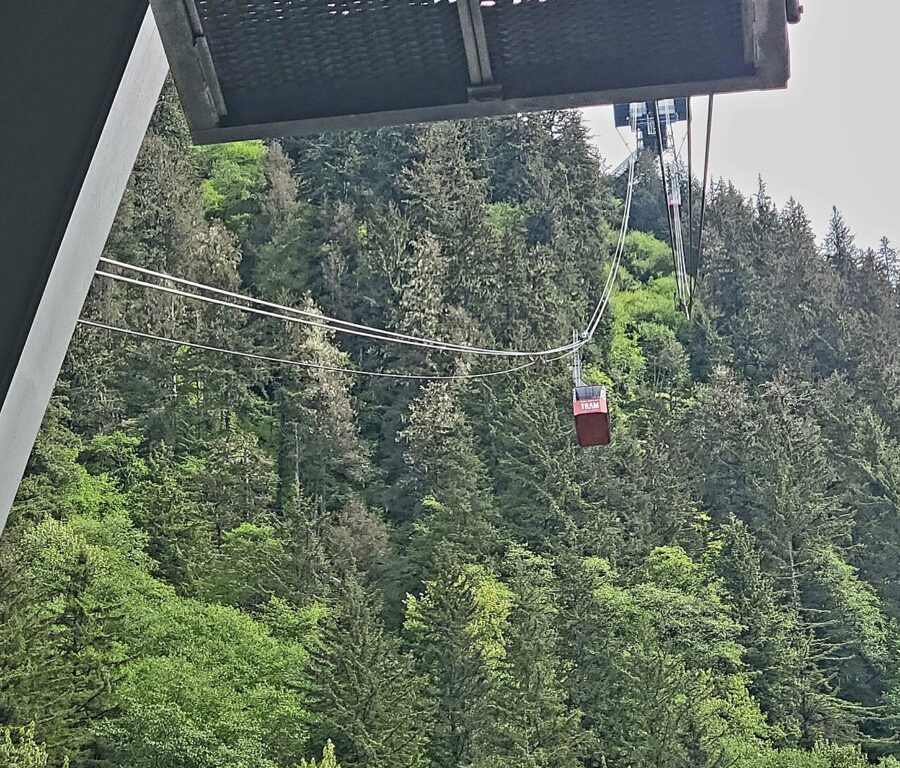
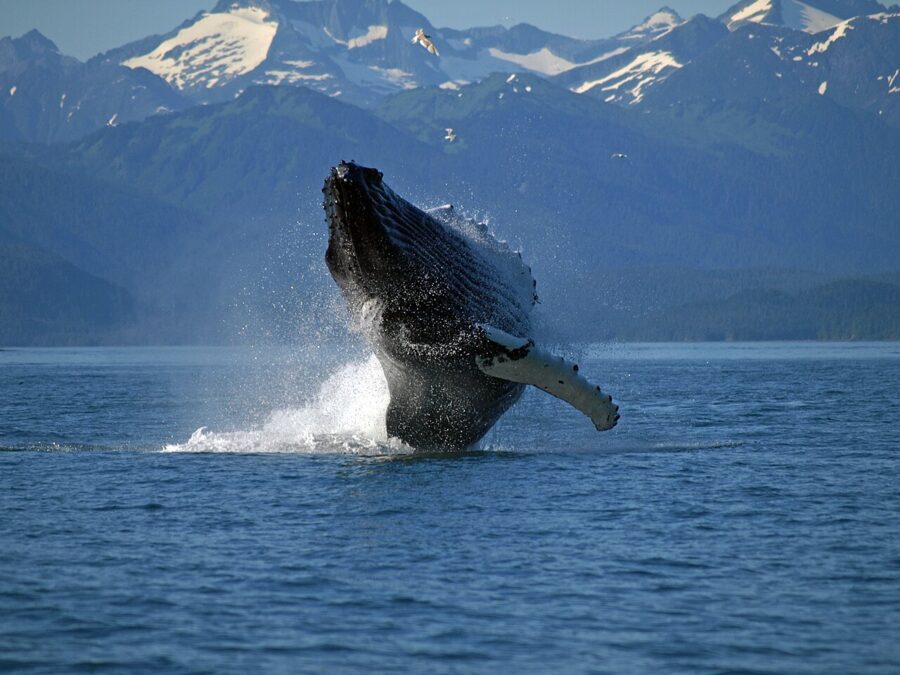
The Goldbelt Tram up Mount Roberts, long the easy view over town, has been closed since an incident on 30 April 2026 and its operator gives no reopening date. If it is on your 2027 list, check before you plan the day around it. Whale-watching boats from Auke Bay fill the gap and are the excursion I would book here.


Skagway and the White Pass railway
A gold rush town of about 1,200 people that fills with several ships at once. The Klondike Gold Rush National Historical Park owns more than 20 of the false-fronted buildings on Broadway, and its visitor centre is the place to start.
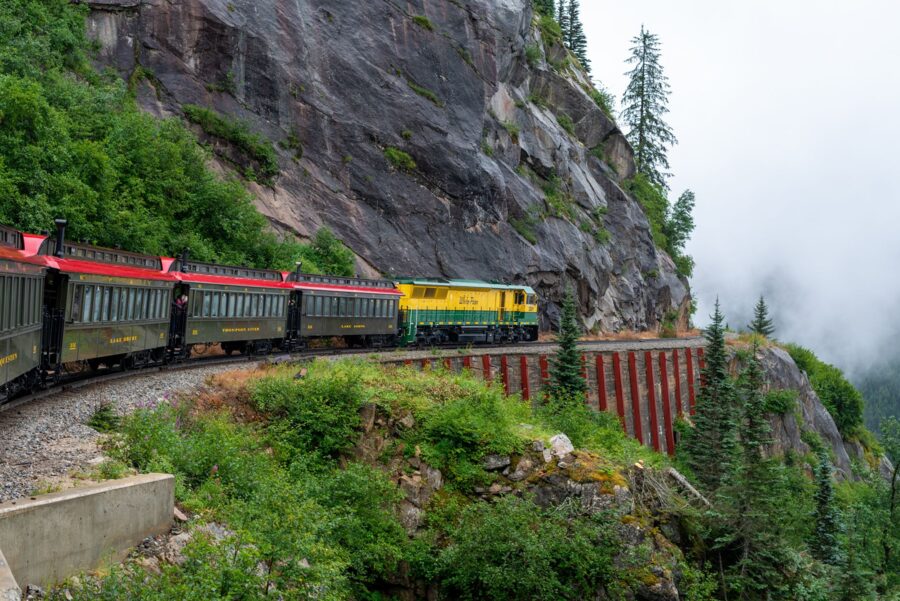
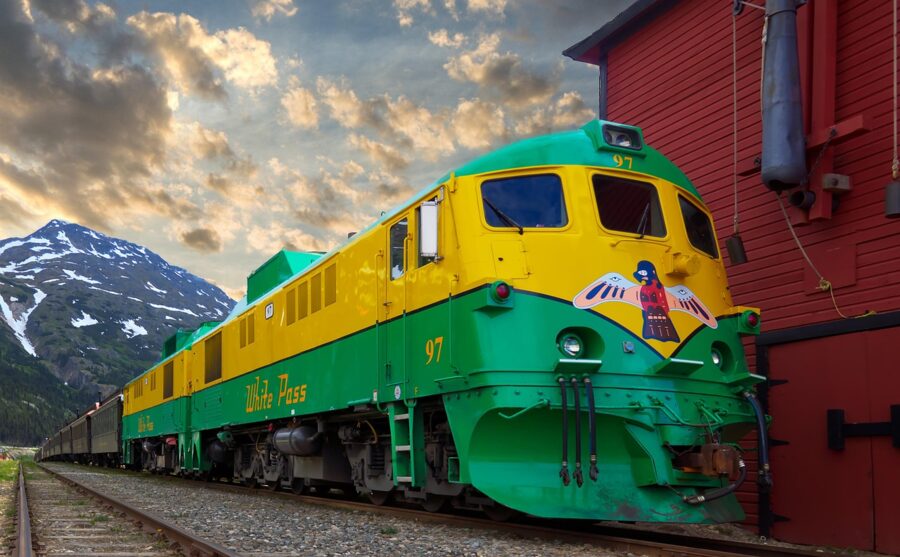
The reason most people come is the White Pass & Yukon Route, the narrow-gauge line built in 1898 that climbs from tidewater to almost 900 m (3,000 feet) in 32 km (20 miles). The White Pass Summit Excursion takes 2.5 to 2.75 hours and is listed at US$169 an adult for 2027. The full-day Bennett Scenic Journey (8 hours, US$319) crosses into British Columbia and needs a passport.
Sitka
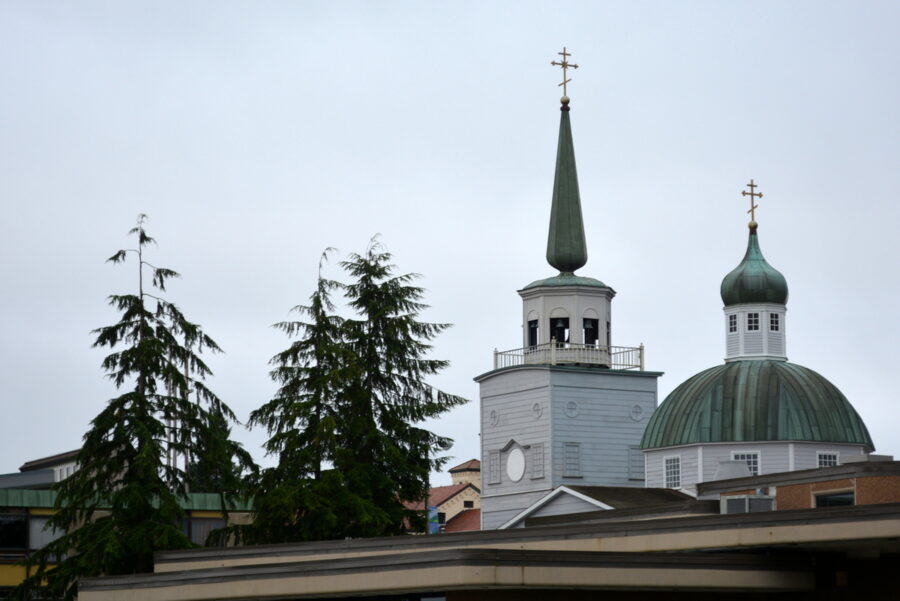
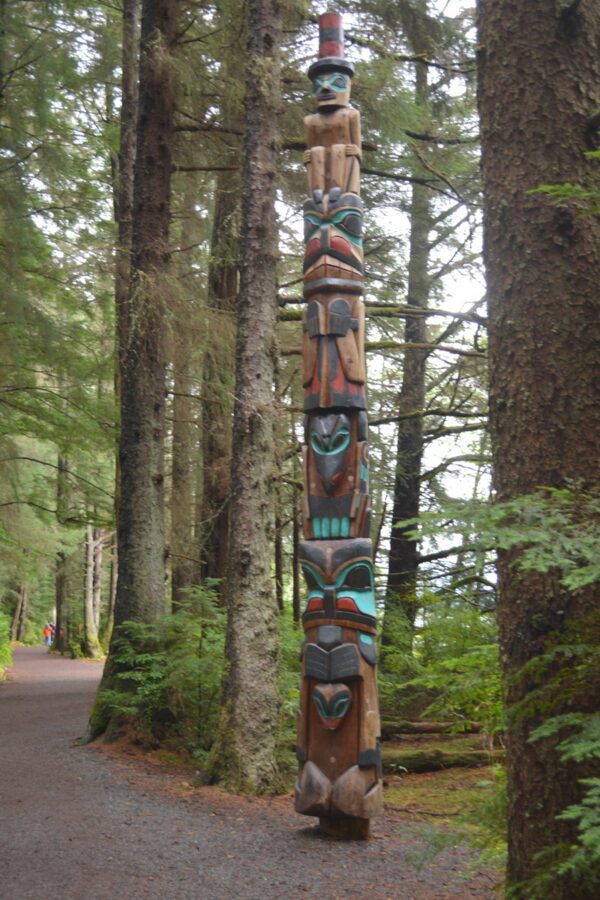
The old Russian capital, on the outer coast, where fewer big ships call. Sitka National Historical Park has a forest trail lined with Tlingit and Haida totem poles a short walk from town, and St Michael’s Cathedral and the Russian Bishop’s House are in the centre. Sea otter boats in Sitka Sound are the best wildlife trip on the outer coast.



Icy Strait Point
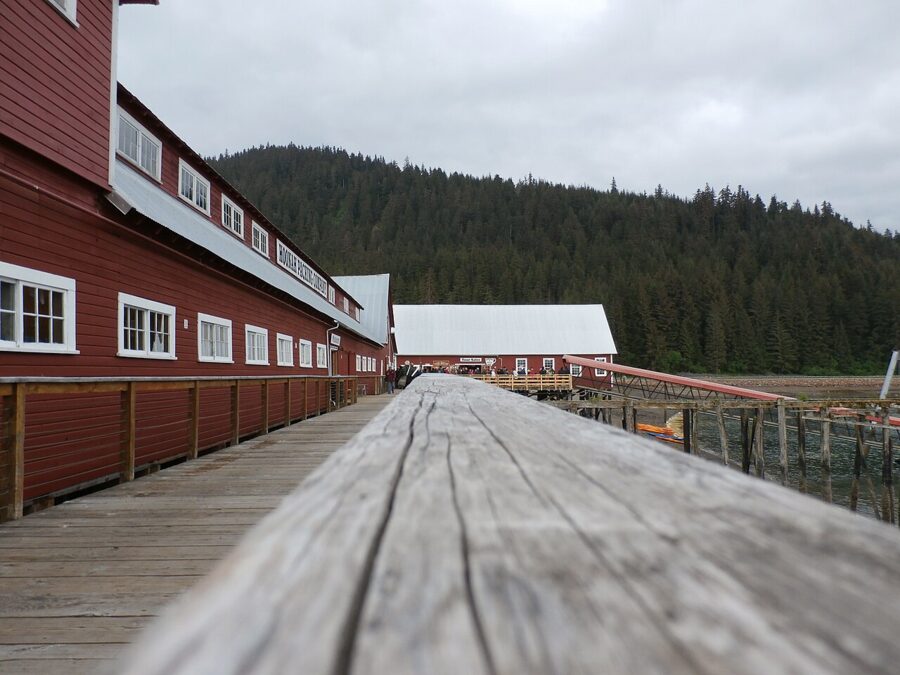
A port built by the Native-owned Huna Totem Corporation beside the village of Hoonah, around a restored salmon cannery. It has the world’s largest ZipRider, bear and whale tours, and more ship calls every year as lines move away from Juneau’s caps. If Juneau is crowded, this is where the quieter day happens.

Seward and Whittier
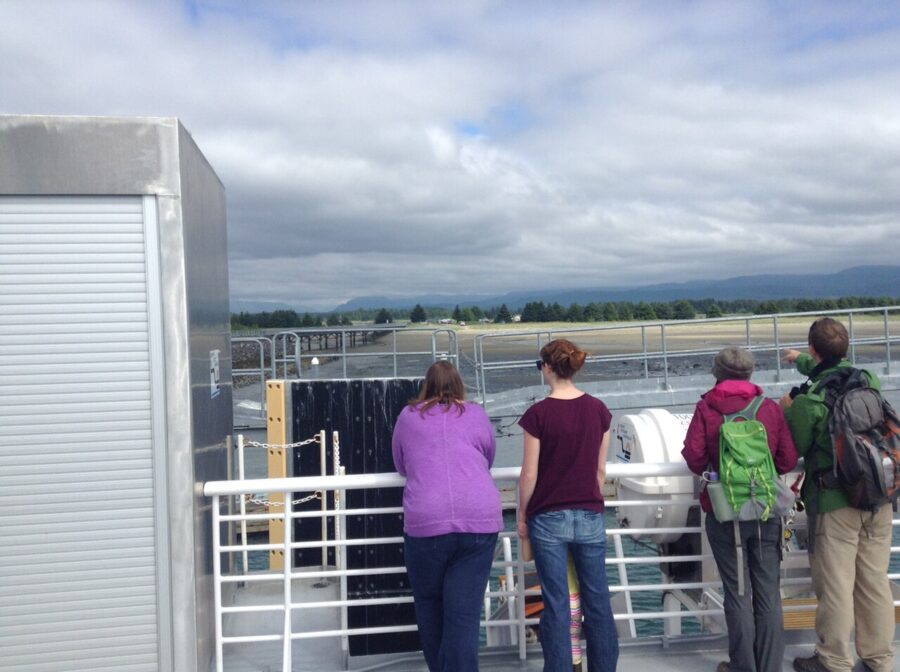
One-way cruises start or end here, not in Anchorage. Whittier is about 100 km (60 miles) from Anchorage, through a single-lane tunnel that trains and cars take in turns; Seward is about 200 km (125 miles), and the Alaska Railroad’s Coastal Classic along Turnagain Arm is the better way there.
The scenic cruising days
These are the days with no port, when the ship sails up a fjord to a tidewater glacier. Which ones you get depends on your line.
Glacier Bay
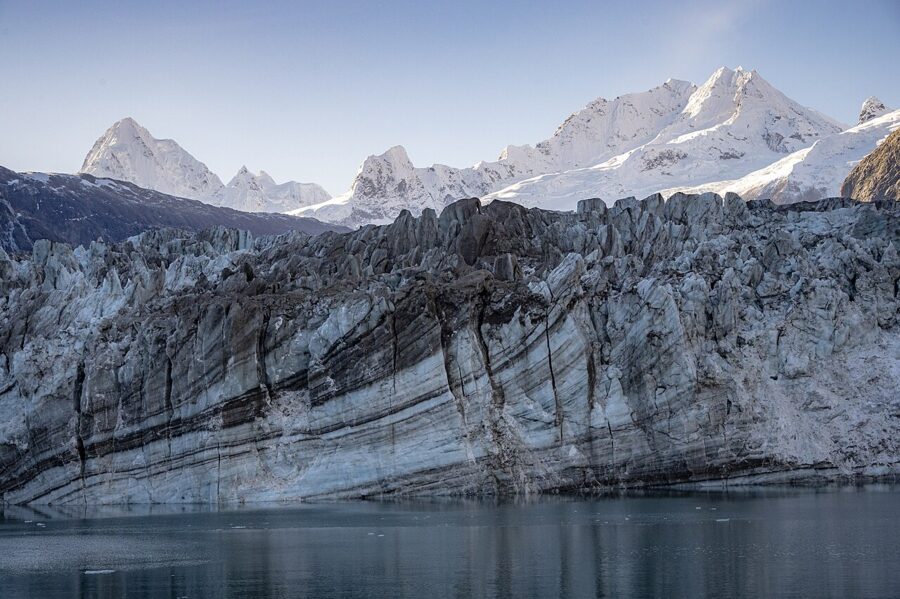
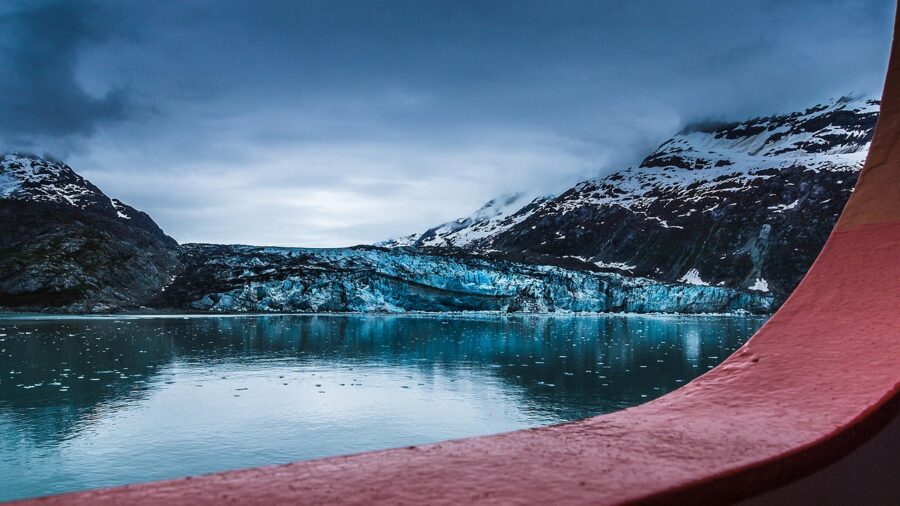
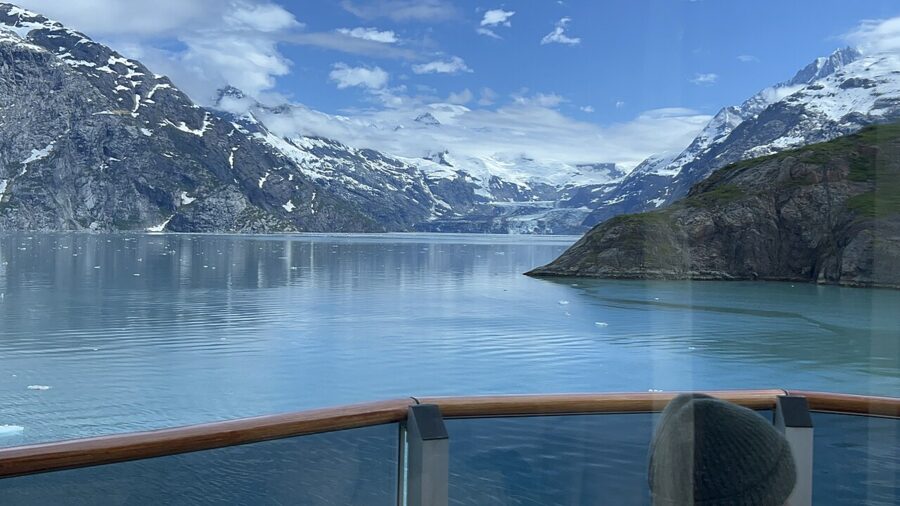
Glacier Bay National Park and Preserve is part of a UNESCO World Heritage site with Wrangell-St Elias and Canada’s Kluane and Tatshenshini-Alsek. There is no entrance fee. The lines authorised to enter are Princess, Holland America, Norwegian, Seabourn, Cunard and Viking, under a limit of two ships a day and a seasonal quota; Royal Caribbean, Celebrity, Carnival and Disney cannot take you in.
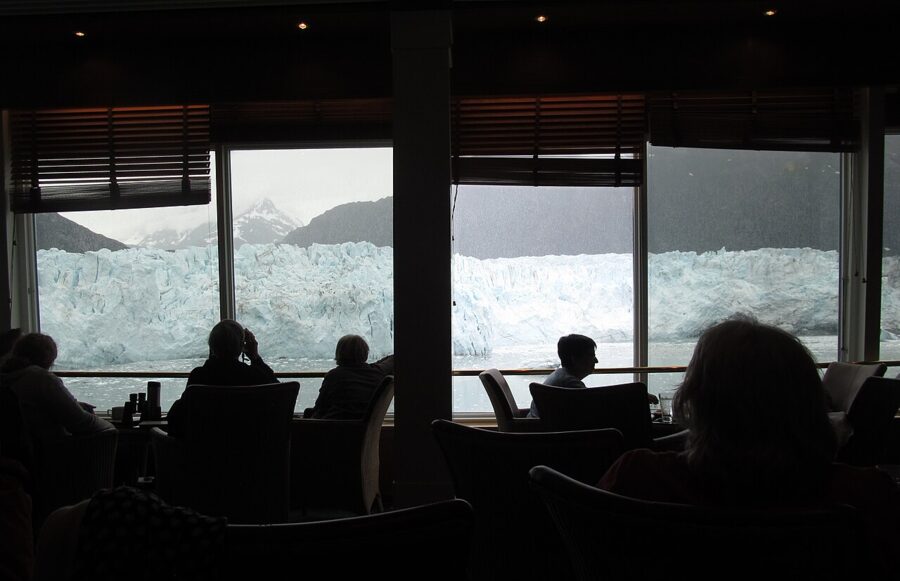
Ships do not dock. They spend a full day in the bay, with rangers on board to narrate, and stop for about an hour at a tidewater glacier, usually Margerie at the head of Tarr Inlet. Johns Hopkins Inlet opens to ships only late in the summer, after the harbour seals have finished pupping.

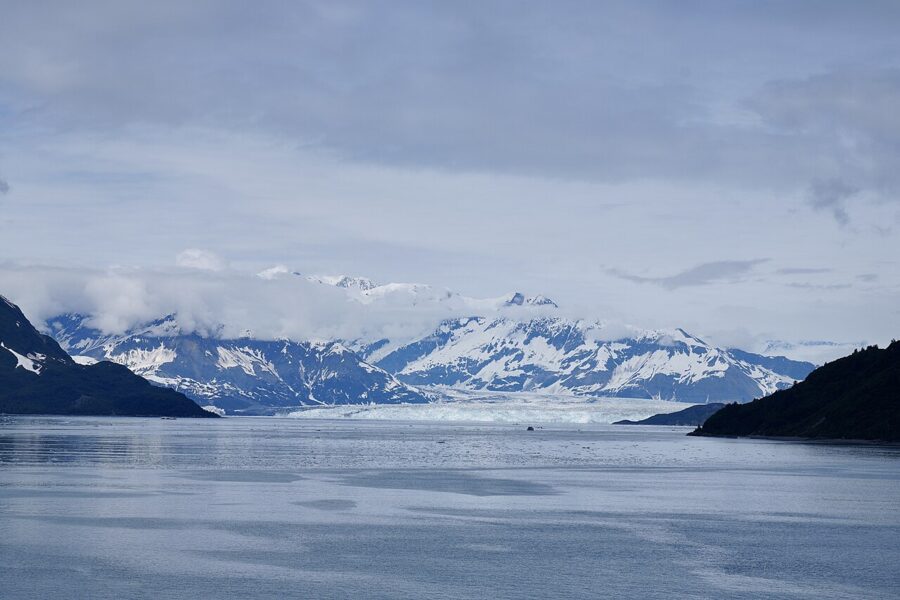
Hubbard Glacier
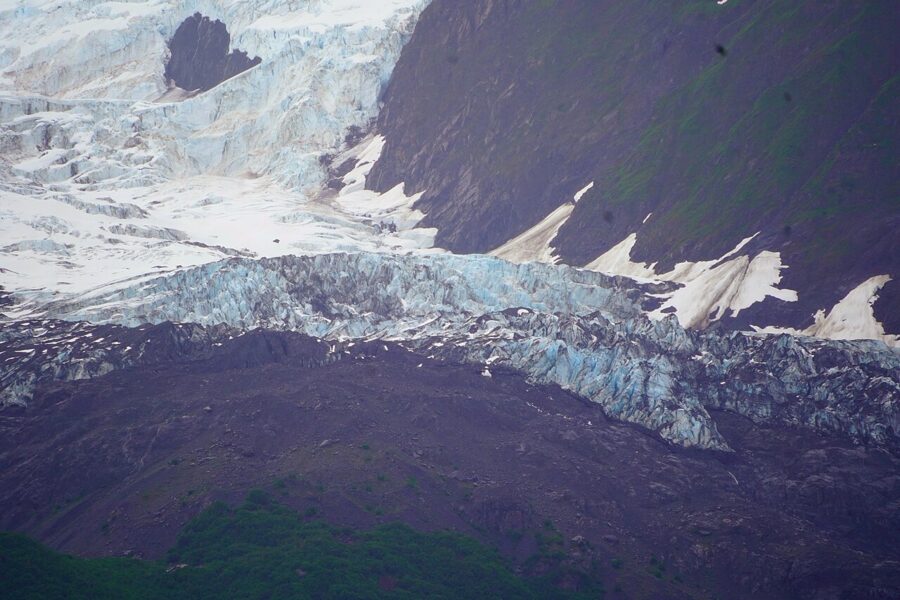
Hubbard, in Yakutat Bay, is the longest tidewater glacier in North America at about 110 km (70 miles), with a face around 10 km (6 miles) wide. Unlike most Alaskan glaciers it has been advancing. Ships on the one-way route usually visit it, and the approach depends on ice: on a heavy day the captain stops well short.

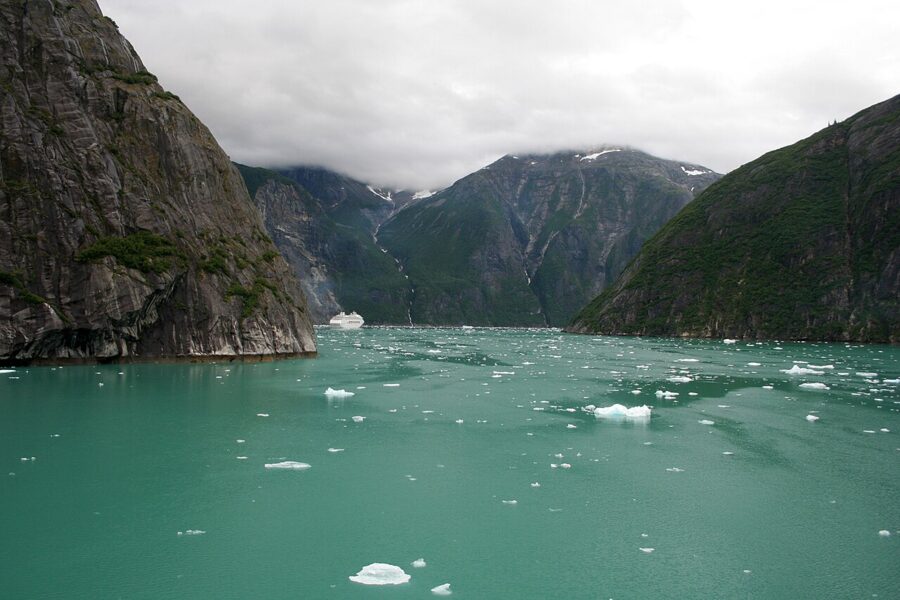
Tracy Arm, Endicott Arm and College Fjord
On 10 August 2025 a landslide in Tracy Arm, near South Sawyer Glacier, set off one of the largest tsunamis on record. No one was hurt, but the fjord was closed to cruise ships, and Holland America, Carnival and Royal Caribbean all replaced it with Endicott Arm and Dawes Glacier for 2026. No line had confirmed a return for 2027 by late November 2026, so if an itinerary still prints Tracy Arm, assume Endicott Arm.

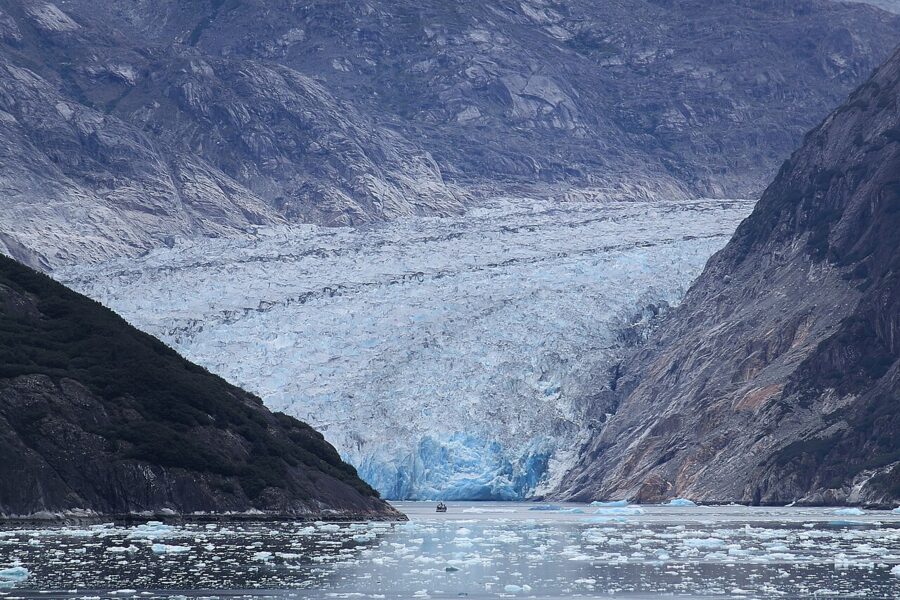

College Fjord, in Prince William Sound, is the second glacier day on many northbound one-ways. Its glaciers were named by the 1899 Harriman Expedition after East Coast colleges, Harvard and Yale at the head, with Vassar, Bryn Mawr and Smith along the north side.

Cruisetours with Denali
Princess and Holland America run most cruisetours, and both own lodges near the park. Princess lists 28 cruisetour itineraries for 2027 with lodges near Denali, Kenai Fjords and Wrangell-St Elias; Holland America’s “Ultimate” cruisetours include two nights at its Denali lodge. You ride the line’s own rail cars and coaches between Whittier or Seward, Anchorage, Talkeetna, Denali and Fairbanks, with bags moved for you.
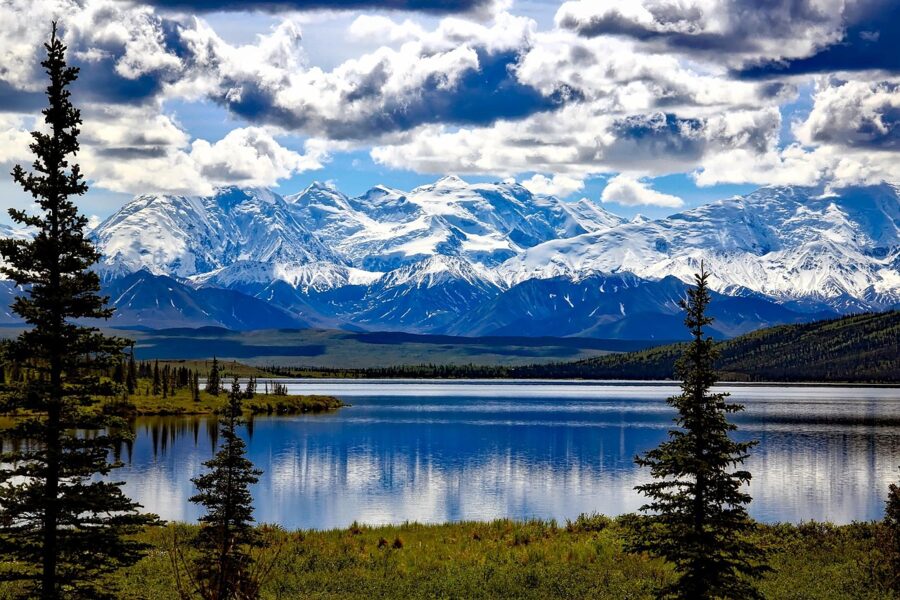
The news for 2027 is the road. The Pretty Rocks Bridge over the landslide that closed the park road in August 2021 was finished in September 2026, and full bus service to the west end, including Eielson and Wonder Lake, is expected in 2027. Many cruisetour bus tours turn back well short of that, so ask exactly how far yours goes.
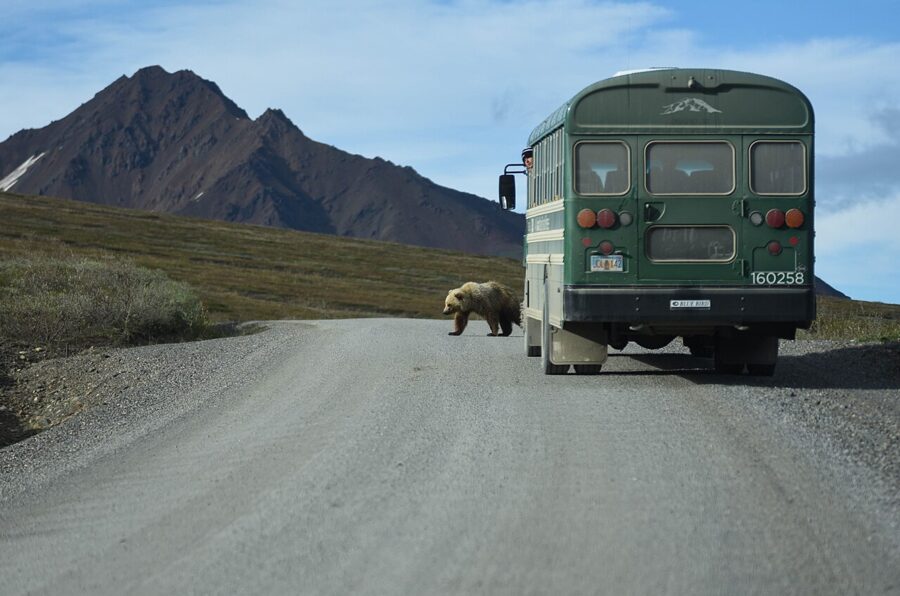
Independent travellers can book the park’s own transit buses, which run from 20 May to mid-September, with reservations for 2027 opening on 1 December 2026. The entrance fee is US$15 a person aged 16 and over, valid for seven days; narrated tour buses include it.
Choosing a line and a ship for 2027
The 2027 season is largely on sale. Princess is sending eight ships on 187 departures from five homeports, including the new Star Princess on Seattle round trips. Holland America, in its 80th Alaska season, has six ships from April to September. MSC and Virgin Voyages, adults only, both started from Seattle in 2026 and are due back.
| Type | Examples | Glacier Bay? | Best for |
|---|---|---|---|
| Alaska specialists | Princess, Holland America | Yes, on many sailings | Cruisetours, rangers on board, the most itineraries |
| Big resort ships | Royal Caribbean, Norwegian, Celebrity, Carnival, Disney, MSC | Norwegian only | Families, lowest fares, onboard activity on rainy days |
| Premium and luxury | Viking, Cunard, Seabourn, Oceania, Windstar, Virgin Voyages | Viking, Cunard, Seabourn | Fewer passengers, more inclusions, longer port days |
| Small and expedition ships | UnCruise (22 to 86 guests), Lindblad-National Geographic, American Cruise Lines | Some, via separate small-vessel permits | Wildlife, kayaking, the coves big ships skip |
One name to cross off: Alaskan Dream Cruises, the small-ship line built around Alaska Native heritage, has ceased operating, though some guides still recommend it. Within a line, pick the ship for its itinerary first, then for an observation lounge with forward windows, which matters more here than a water park.
Cabins: which side, and is a balcony worth it?
Cabin grades and position work as on any big ship (the Mediterranean cruise guide covers them); Alaska adds two rules of its own. On a one-way crossing the coast is on the starboard (right) side going north and the port side going south. In the Inside Passage there is land on both sides, and at the glaciers ships turn slowly so everyone gets the face, so side matters less on a round trip.
Is a balcony worth it? On a one-way with two glacier days, yes: you step out at 6am in Glacier Bay without fighting for rail space, and you can retreat inside when the rain comes. On a Seattle round trip with one scenic day, I would put the difference towards a whale boat instead. Some balconies are partly blocked by lifeboats or the deck above, so check the deck plan before paying for one.

What an Alaska cruise really costs
Seven-night inside cabins in May and September were being advertised from a few hundred US dollars a person in 2026, and balconies in July commonly cost double or more. Those are the lead-in fares. The real bill adds the items below, and in Alaska the excursions are the biggest line.
| Item | Typical cost (as of 2026) |
|---|---|
| Gratuities | US$18 a person a day on Princess and Holland America standard cabins (more for suites); US$126 each for a week |
| Taxes, fees and port charges | Added on top of the fare at booking; Alaska and its port towns levy per-passenger taxes |
| White Pass Summit Excursion | US$169 an adult (2027 listing) |
| Mendenhall Glacier Visitor Center | US$5 a person, plus US$2 each way by city bus |
| Denali entrance and transit bus | US$15 a person plus US$46 to US$89 for the bus |
| Helicopter glacier landing, floatplane, whale boat | Priced per trip by the operator; the helicopter landings are the most expensive day of most cruises |
| Night before in Seattle, Vancouver or Anchorage | One hotel night, essential at the start, useful at the end |
I would budget the extras at roughly the fare again for one big excursion per port. The biggest saving is the month.
Shore excursions worth booking ahead
Alaska’s peak is short, and the best trips have fixed seats. Book these as soon as your sailing is confirmed, through the line or direct:
- The White Pass & Yukon Route, especially the Bennett trip. Booked direct, the railway refunds cancellations made 24 hours ahead less a US$10 fee; booked through the ship, you board on the pier.
- Helicopter landings on the Juneau Icefield or near Skagway, and dog-sledding camps on the ice. They cancel in low cloud, so book them for the earliest port you can.
- Floatplanes over Misty Fjords from Ketchikan, and small-boat whale watching from Juneau or Icy Strait Point.
- Denali buses, if you are going independently, from 1 December.
Leave to the day: Mendenhall by shuttle or bus, Creek Street, Skagway’s historic district and Sitka’s totem trail. Ship excursions get you back on time or the ship waits; with an independent operator, be back at least 30 minutes before all-aboard.
Passports, visas and the Passenger Vessel Services Act
Every big-ship Alaska cruise touches Canada, because of a law from 1886. The Passenger Vessel Services Act keeps passenger trips between two US ports for US-built, US-flagged ships, and nearly every big cruise ship is foreign-flagged. Under the customs rule that applies it, a foreign ship may sail a round trip from a US port if it calls at a nearby foreign port, which is why Seattle sailings stop in Victoria or Prince Rupert, but a one-way Seattle to Seward trip would need a distant port such as Asia. So the one-ways run from Vancouver.
For US citizens on a closed-loop cruise from Seattle, CBP accepts a government photo ID with a birth certificate instead of a passport. I would still take a passport: Vancouver sailings are not closed-loop, the Bennett train needs one, and you cannot fly home from Canada without one if something goes wrong. Everyone else needs a passport, plus a US visa or an approved ESTA (about US$40).
For Canada, US citizens need no eTA. Visa-exempt travellers flying into Vancouver to join a ship need an eTA, which costs C$7 (about US$5) and lasts up to five years; arriving in Canada by ship needs none.
What to pack for wet cold
Plan for 10°C and rain, with colder air at the glaciers and on the White Pass summit. The rest follows from that:
- A waterproof shell with a hood, not an umbrella: wind on deck turns umbrellas inside out.
- A fleece or light down layer, a warm hat and thin gloves for the glacier days.
- Waterproof walking shoes, the item people most regret leaving home.
- Binoculars, one pair each; a dry bag for the camera on boats and floatplanes.
- An eye mask for June, when the sky stays light past 10pm.
Most of this fits in a carry-on with the layers worn on the plane, and the same carry-on packing tips apply. Formal nights exist on some lines, but a jacket and dark trousers or a simple dress cover them.
A booking timeline for a 2027 Alaska cruise
- Now (late 2026): choose route and line and book the cabin. Accessible cabins and the best-placed balconies go first.
- 1 December 2026: Denali bus and campground reservations open, if you are going independently.
- Winter: book the White Pass train and any helicopter or floatplane trip. Ask the line in writing which fjord replaces Tracy Arm.
- Three to four months out: flights and the hotel for the night before, ESTA or eTA if you need one. Pay the balance by the date in your contract.
- Two weeks out: check the itinerary for changes, the Goldbelt Tram’s status and the 10-day forecast, then pack for rain anyway.
- The day before: arrive in Seattle, Vancouver or Anchorage, never on sailing day.
Start with the two-ships-a-day rule and work outwards: pick the line that can take you into Glacier Bay, the one-way route if you can spare the days, and May or September if the budget is tight. Then book the train to White Pass before the winter is out.