
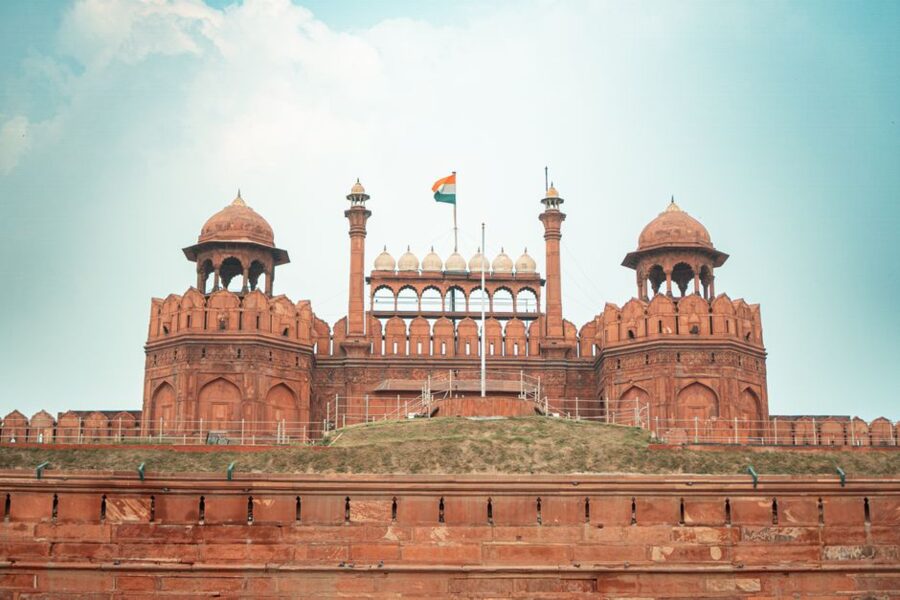
On a Monday, Delhi shuts the National Museum, Akshardham, the Lotus Temple and the tours of Rashtrapati Bhavan, and the Red Fort keeps its gates closed too. On a Sunday, most of the shops in Chandni Chowk pull their shutters down. Plan around those two days, and around distance rather than fame, and three days here go a long way.
The sights fall into four clusters: Old Delhi around the Red Fort, the Mughal and Sultanate tombs to the south, Lutyens’ New Delhi, and the faith sites scattered between them. Take them one cluster at a time, book the few things that need booking, and keep a scarf in your bag.
The decisions: how many days, which season, where to stay
How many days you need
One day covers the headline sights only with a car: Red Fort and Jama Masjid in the morning, Humayun’s Tomb after lunch, Qutub Minar before sunset, India Gate after dark. You see each at a trot.
Two days is enough for the essentials at a sensible pace. Three is what I would plan, because Rashtrapati Bhavan, the National Museum and Akshardham each want half a day, and a smoggy or very hot day then costs you nothing.
Which season to go
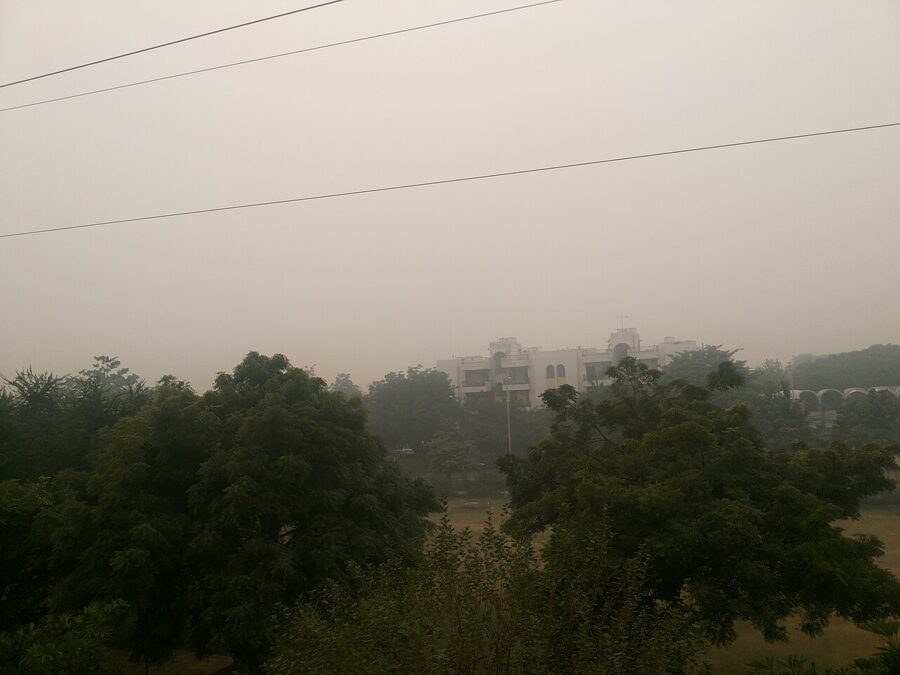
October to March is the comfortable half of the year for walking between monuments. The catch is the air: from late October into January, crop-stubble smoke, traffic and still winter air settle over the city. In November 2026 the daily average Air Quality Index reached 382 on 6 November and the reading was 391 on the morning of 9 November, in the “very poor” to “severe” bands of the national scale.
If you travel then, check the AQI each evening and save the outdoor sights for clearer days. If you are older, travelling with children or have asthma, bring proper N95 masks.

February and March are my pick: the smog has mostly lifted, the days are warm rather than hot, and the Amrit Udyan gardens at Rashtrapati Bhavan usually open. In May and June daytime temperatures commonly pass 40°C (104°F), which makes Qutub Minar at noon a punishment. July to September brings the monsoon: humid heat and heavy downpours.
Where to stay for this plan
Stay near a Metro interchange and the city shrinks. Connaught Place sits on Rajiv Chowk, where the Blue and Yellow Lines cross, putting Old Delhi, New Delhi and Qutub Minar within one line change. Paharganj, by New Delhi railway station, is cheaper and noisier on the same Yellow Line. South Delhi around Hauz Khas and Green Park is calmer but a longer ride to the Red Fort.
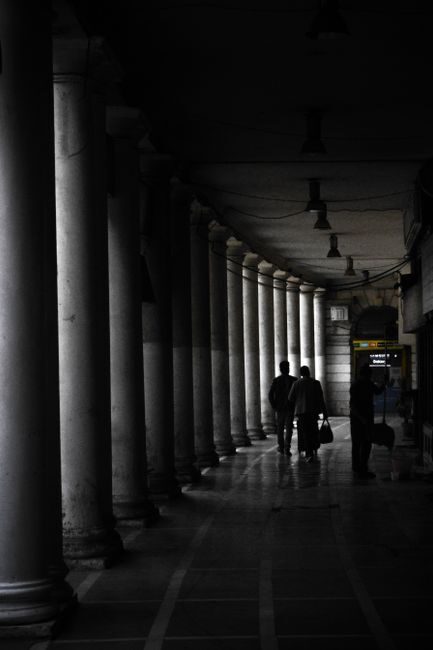
Book monument tickets online
The Archaeological Survey of India runs the Red Fort, Humayun’s Tomb and Qutub Minar, and all three charge the same as of 2026. Foreign nationals pay ₹550 (about US$6.50) online or ₹600 in cash; Indian citizens and nationals of the SAARC and BIMSTEC countries pay ₹35 online or ₹50 in cash. Children under 15 enter free. Book through the ASI’s online ticketing, show the QR code at the gate, and carry your passport.
Old Delhi: the Red Fort, Jama Masjid and Chandni Chowk
Shahjahanabad, the walled city Shah Jahan began in 1638, packs its three big sights within a 15-minute walk of each other. Leave the car behind and use your feet, a cycle rickshaw or an e-rickshaw. Avoid Mondays, when the fort is shut, and Sundays, when the bazaars are.
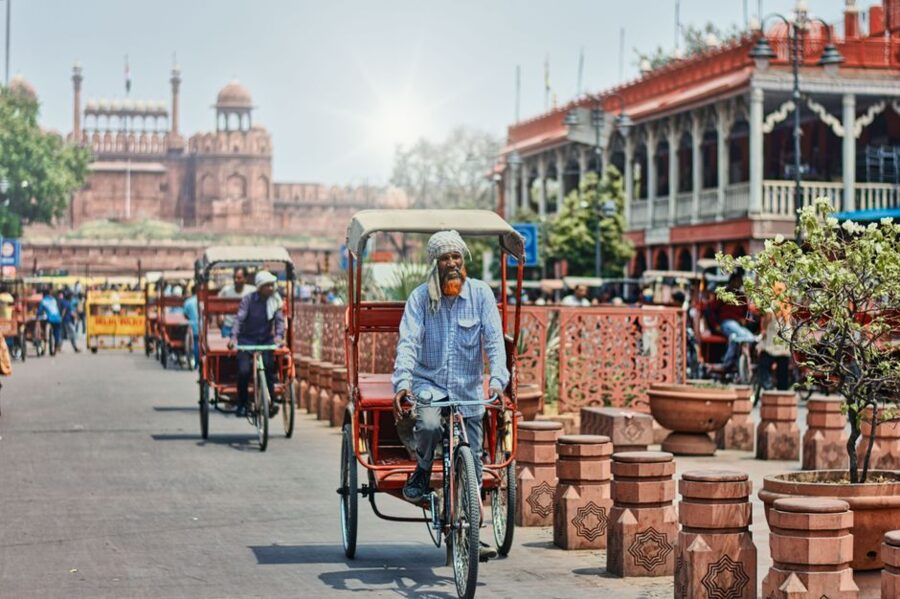
The Red Fort (Lal Qila)
Lal Qila, the Red Fort, was begun in 1639 and finished nine years later as the palace fortress of Shah Jahan’s capital. You enter through the Lahori Gate into the Chhatta Chowk, a vaulted arcade of shops, and reach the Naubat Khana, the old drum house, whose upper floor holds the Indian War Memorial Museum.
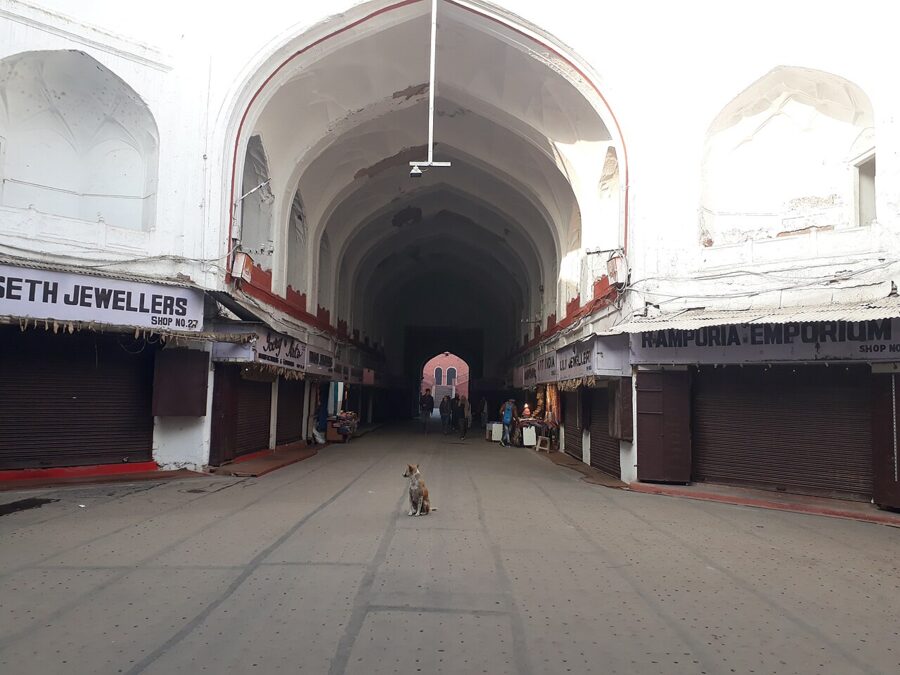

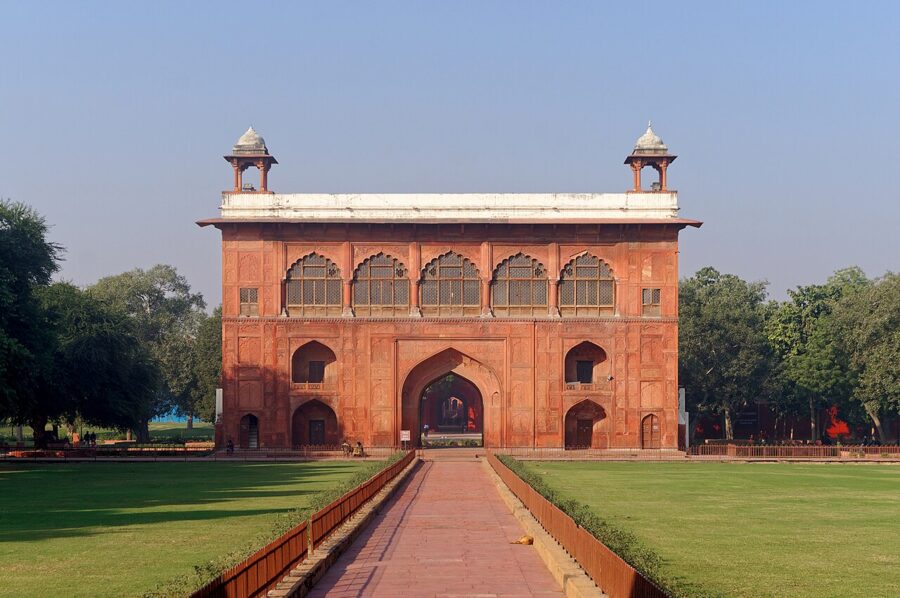

Beyond it the Diwan-i-Am, the hall of public audience, has nine arches and a marble canopy where the throne stood. Behind it run the private palaces along the old riverfront: the Rang Mahal, the Mumtaz Mahal (now the Delhi Fort Museum), the Diwan-i-Khas, where the Peacock Throne stood until Nadir Shah carried it off in 1739, the marble hammam and Aurangzeb’s small Moti Masjid.
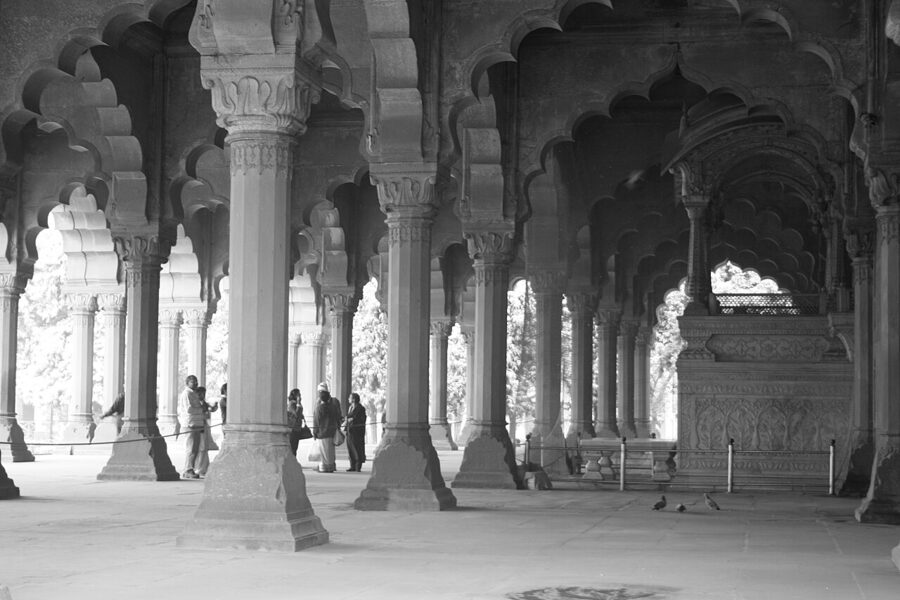

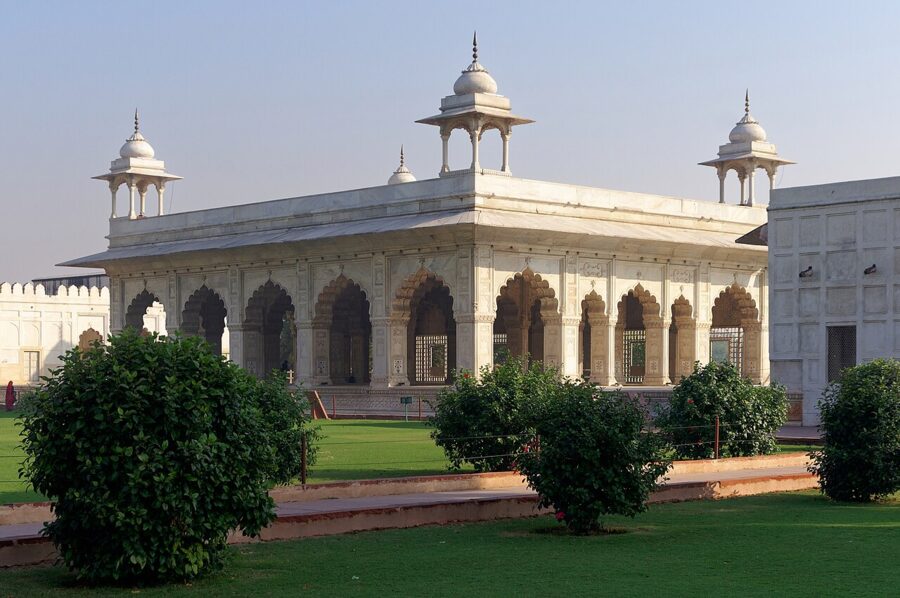

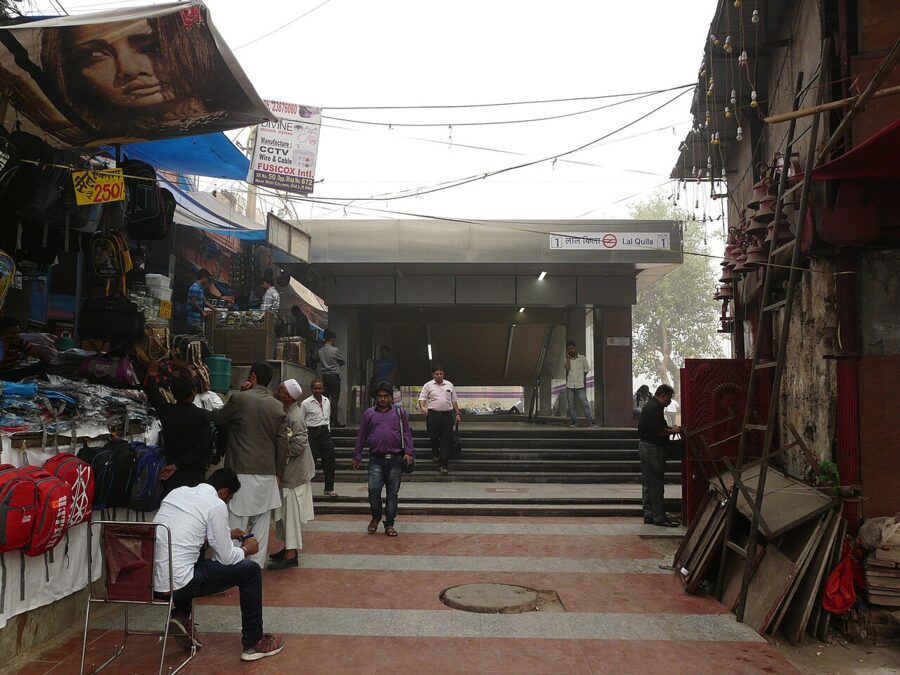
The ASI lists the hours as sunrise to 9pm, with a sound and light show after dark on a separate ticket, and the fort is closed on Mondays. Allow two hours. Lal Quila station on the Violet Line is the closest; Chandni Chowk station on the Yellow Line is a 10-minute walk away.
Jama Masjid
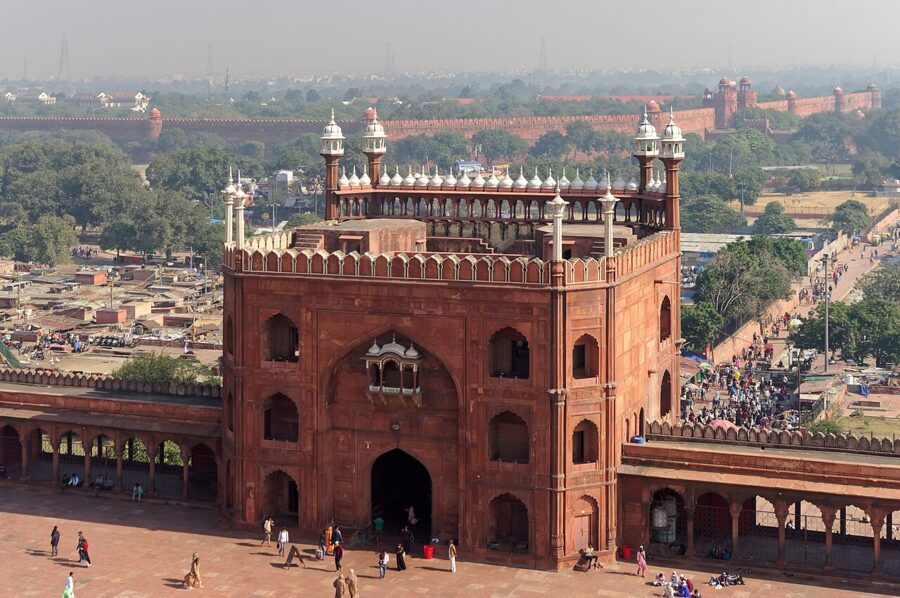
Shah Jahan built his great mosque between 1644 and 1650, and it is still the largest in India. The courtyard is 100 m (330 ft) wide, raised on a high plinth and reached by three long flights of steps. Climb the south-eastern minaret, if it is open, for the view over the rooftops to the Red Fort.
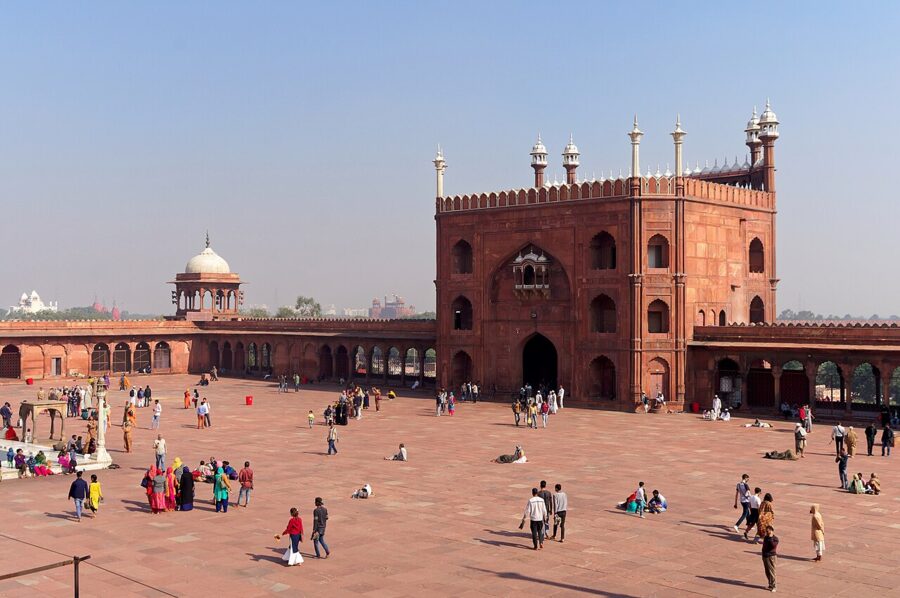

Entry is free, but the mosque closes to sightseers during prayers, longest at Friday midday; arrive by 11am or after 2pm. There is a charge at the gate for cameras and phone photography, and the amount quoted varies, so ask before you pay. Shoulders and legs must be covered, women should cover their hair, and robes are handed out to anyone judged underdressed. Allow 45 minutes to an hour; Jama Masjid station (Violet Line) is a short walk away.

Chandni Chowk
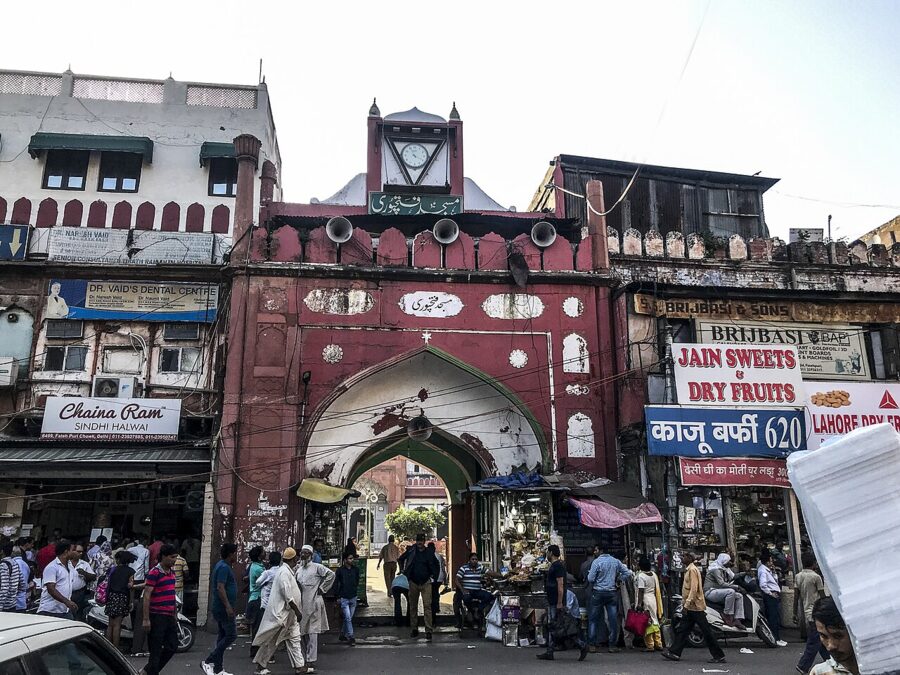
Chandni Chowk is the old processional street running west from the Red Fort to the Fatehpuri Masjid, with wholesale bazaars for spices, wedding cloth and silver branching off it. The lanes are the point, not the main road. Take a rickshaw one way and walk back.
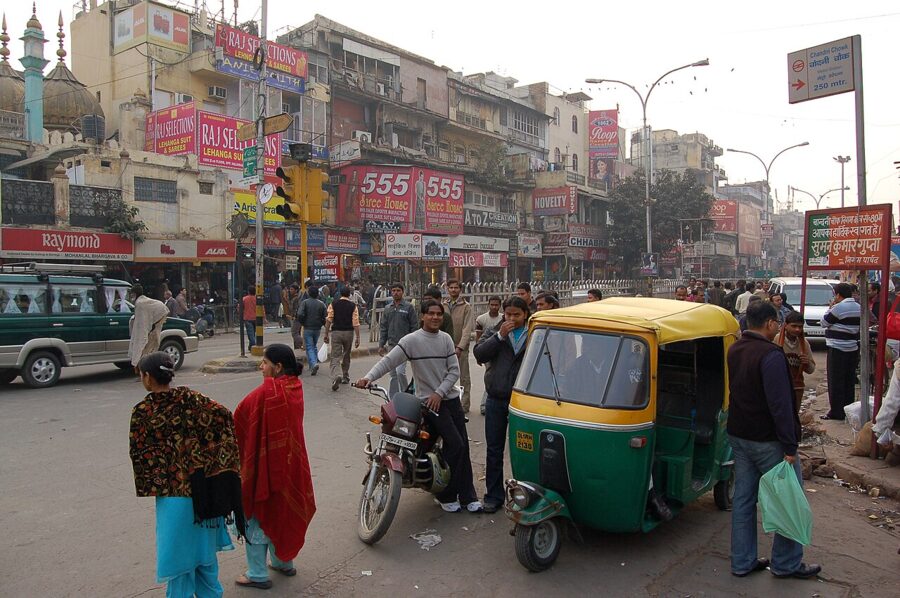

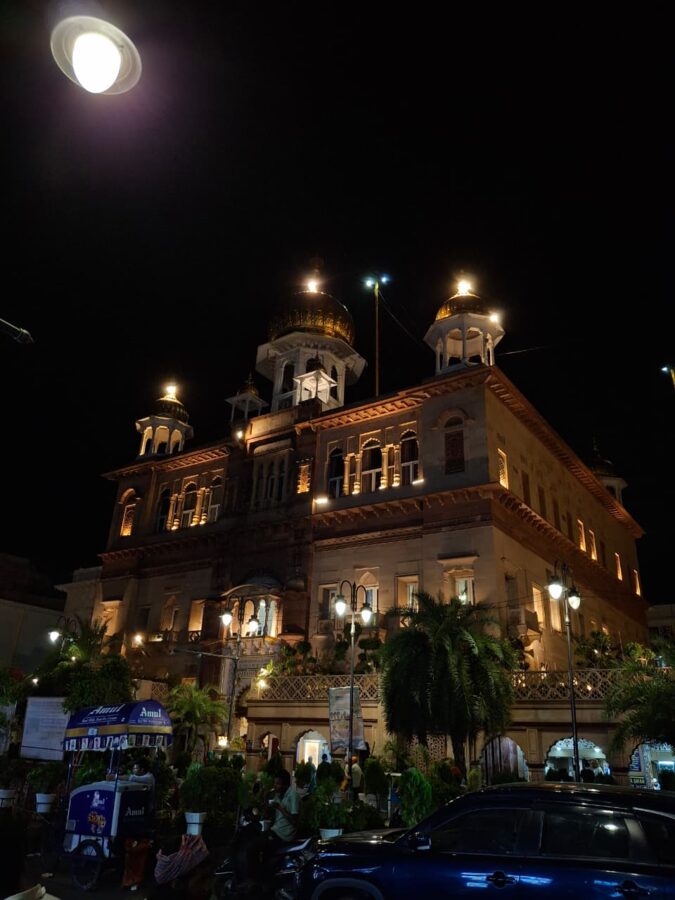
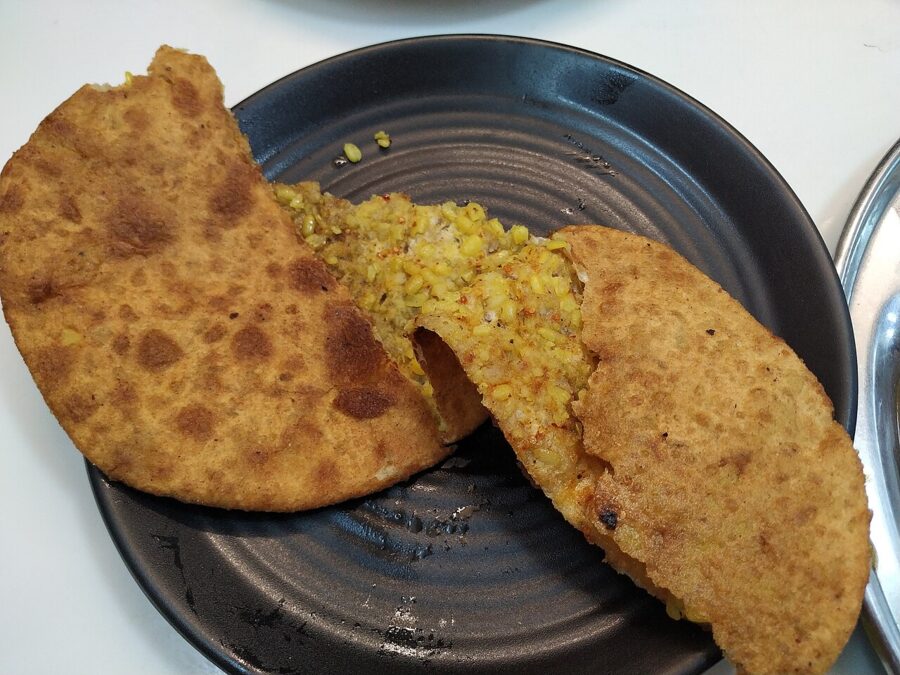
Halfway along, Gurudwara Sis Ganj Sahib marks where the ninth Sikh Guru, Guru Tegh Bahadur, was executed in 1675; it is free and open to all, with the same head-covering rules as Bangla Sahib. Off the main road, Paranthe Wali Gali is the narrow lane of fried stuffed parathas. Most of Chandni Chowk’s markets close on Sundays and on major festival days, though some food stalls stay open.



Raj Ghat
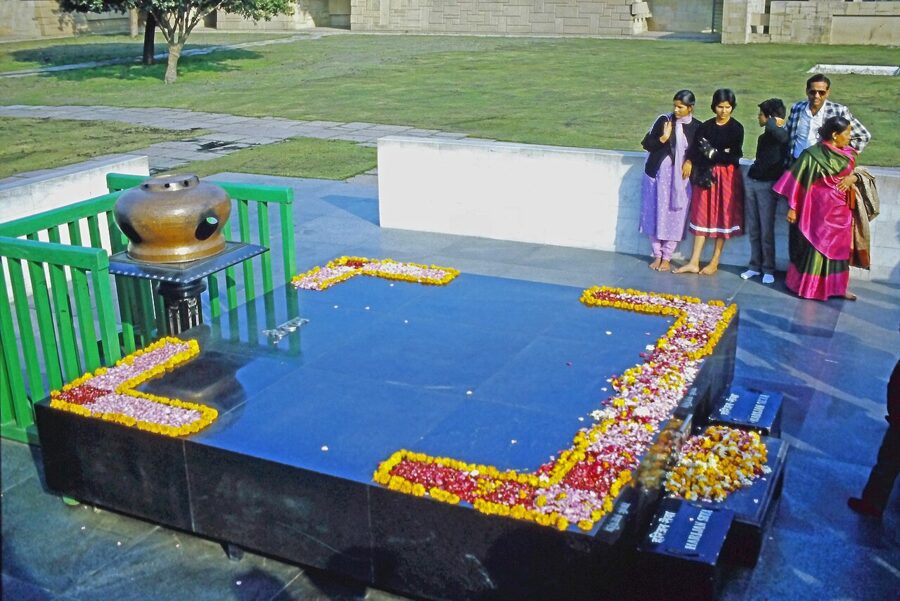
Raj Ghat is the memorial to Mahatma Gandhi: a black marble platform where he was cremated in 1948, with an eternal flame at its head, in quiet lawns south of the Red Fort along the Ring Road. It is open from 7am to 6pm and free, and shoes come off before the platform. Give it half an hour and take an auto from the fort.

The Mughal and Sultanate monuments
The south of the city holds Delhi’s older layers: the Sultanate ruins at Mehrauli and Hauz Khas from the 13th and 14th centuries, the Lodi tombs from the 15th, and Humayun’s Tomb from the 16th. They are spread out, so see them in pairs.
Humayun’s Tomb
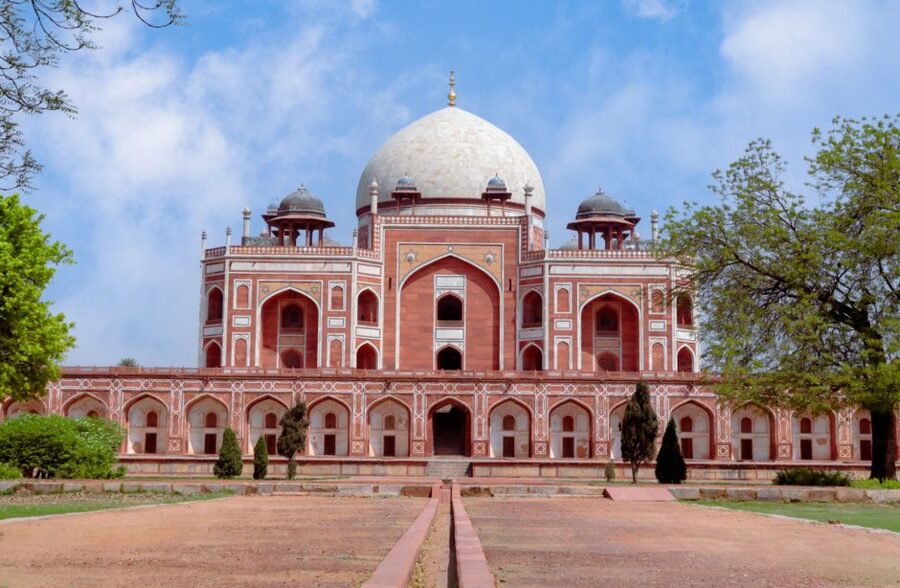
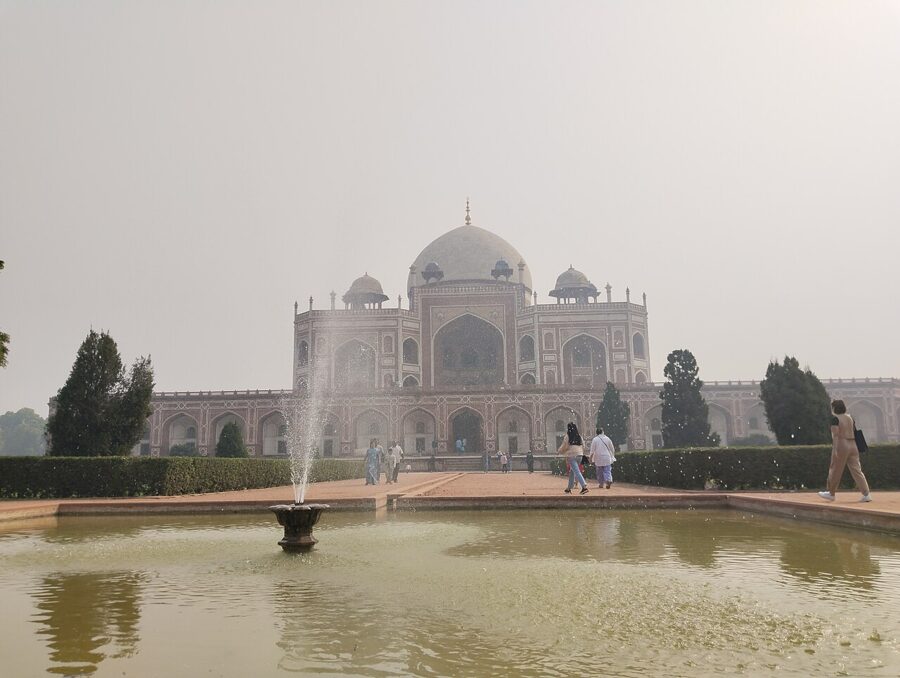
Humayun died in 1556. His widow, Haji Begam, began his tomb in 1569, and the Persian architect Mirak Mirza Ghiyath set it in a square charbagh garden divided by water channels. The marble-clad double dome is 42.5 m (139 ft) high, and the plan is the first full statement of the style that peaked at the Taj Mahal. In 1857 Bahadur Shah Zafar, the last Mughal emperor, sheltered here before his capture.
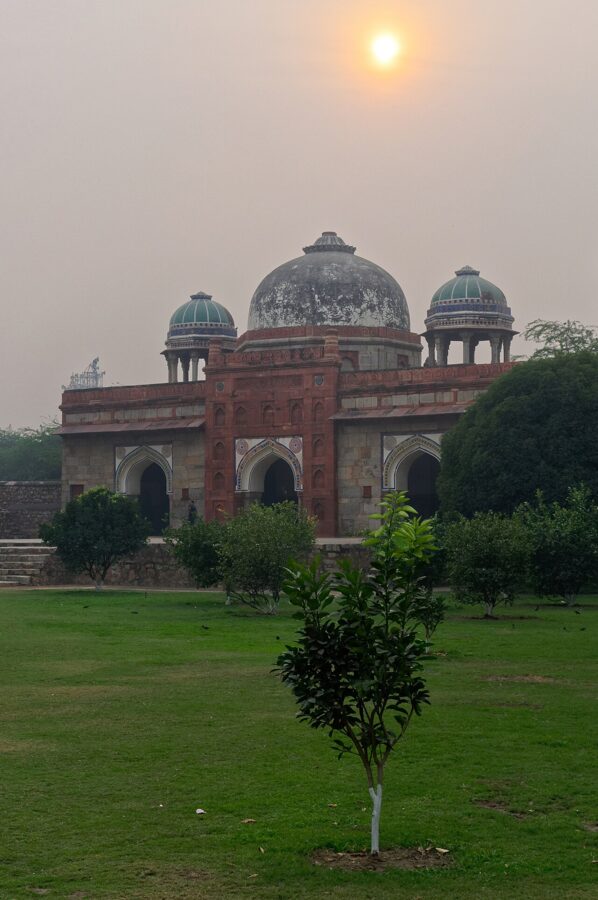
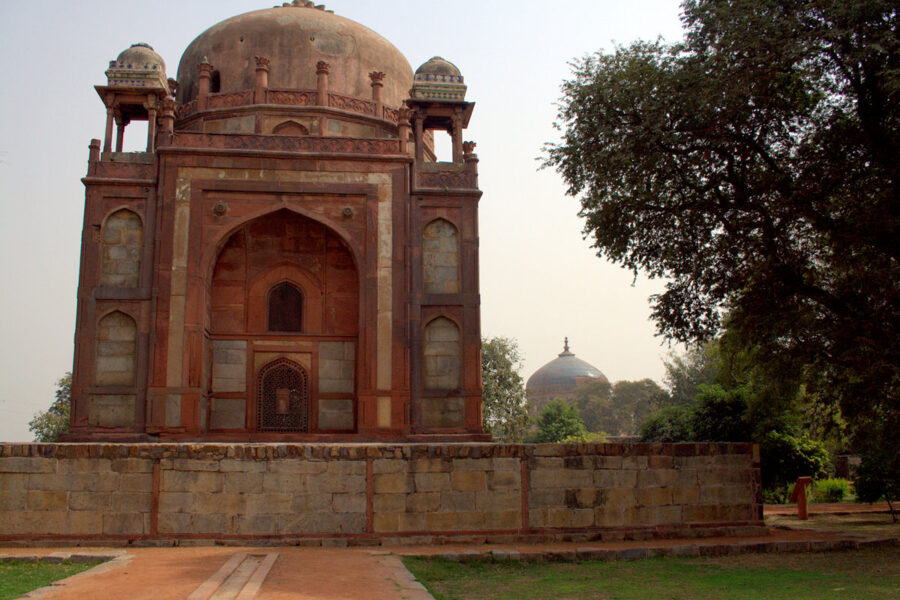
Before the main gate, Isa Khan’s tomb and mosque are older than Humayun’s and often empty. Inside, find the Barber’s Tomb (Nai-ka-Gumbad) on its raised platform. UNESCO listed the complex in 1993.


The ASI gives the hours as sunrise to 9pm, while Delhi Tourism lists sunrise to 7.30pm, so be inside well before dusk; tickets are the standard ASI rate. Allow 90 minutes to two hours. Sarai Kale Khan Nizamuddin on the Pink Line is under 1 km (0.6 miles) away, and Sunder Nursery, the restored garden next door, is the natural add-on.
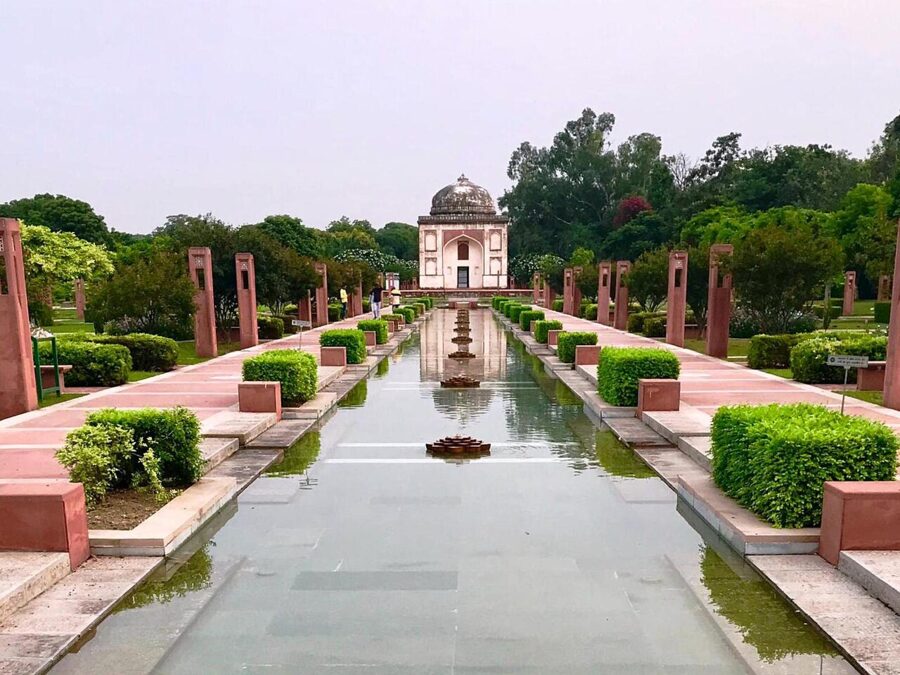

Lodhi Garden
Lodhi Garden is a city park laid out around 15th-century tombs, where Delhi walks before work. The tomb of Sikandar Lodi, who died in 1517, stands in its own walled enclosure; the Bara Gumbad and Shish Gumbad rise from the lawns near the centre; and the Athpula, a many-arched stone bridge, crosses the pond.
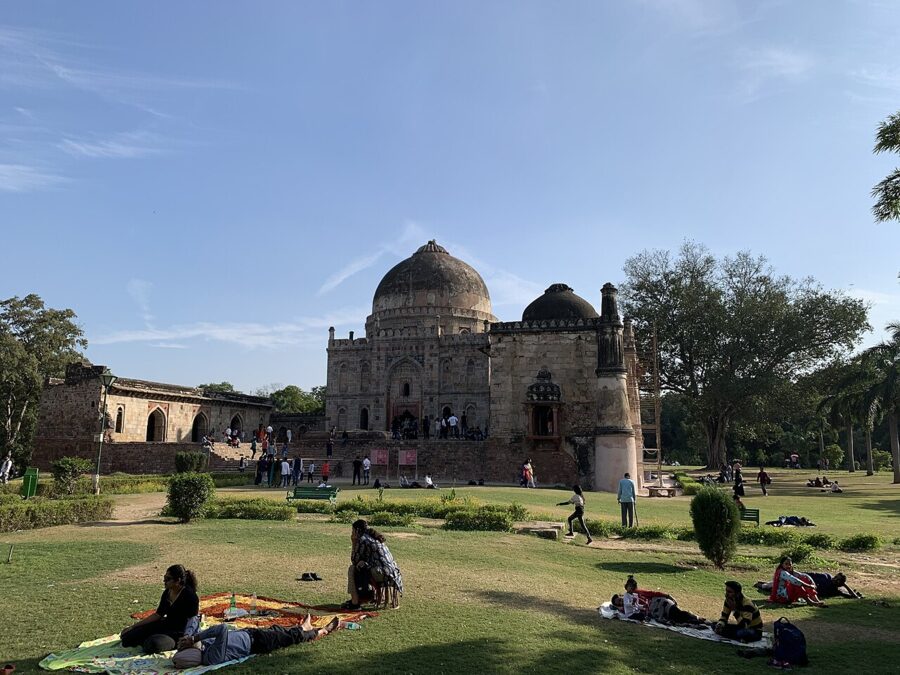

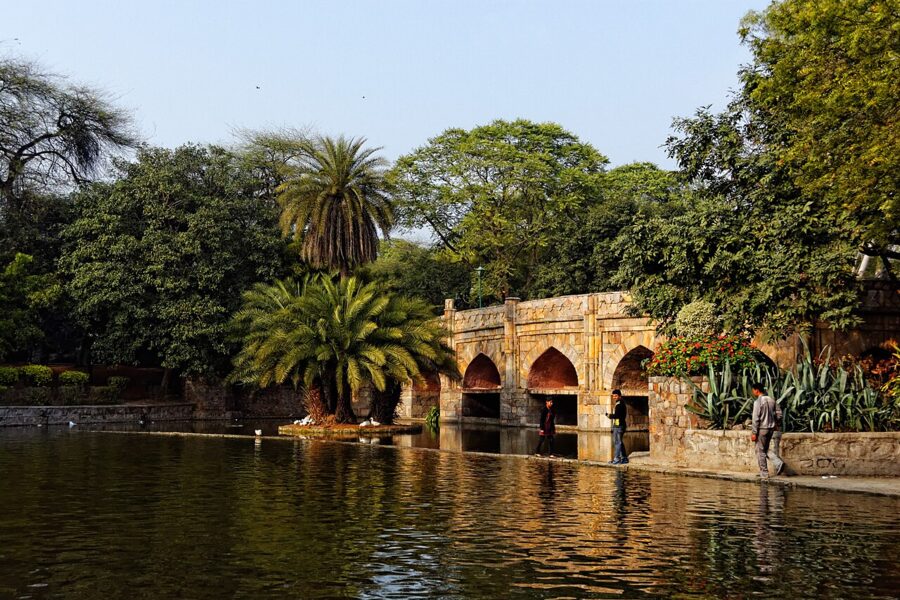

Entry is free. The New Delhi Municipal Council opens the garden from 5am to 8pm between April and September and from 6am to 8pm between October and March. Give it an hour. Jor Bagh (Yellow Line) and Khan Market (Violet Line) are each about 10 minutes’ walk, and Humayun’s Tomb is a short auto ride.
Qutub Minar and the Qutb complex
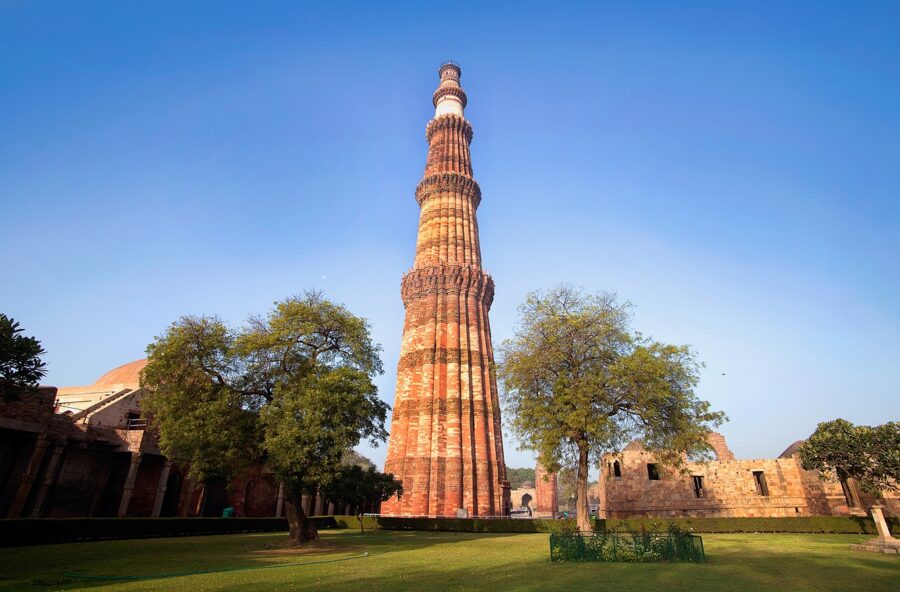
Qutbu’d-Din Aibak laid the minaret’s foundation in 1199 and built its first storey; his successor Iltutmish added three more. Around it stand the Quwwat-ul-Islam mosque, built in 1198 from the carved pillars of 27 demolished Hindu and Jain temples, as its own inscription records, and Ala-ud-din Khalji’s Alai Darwaza gateway of 1311.
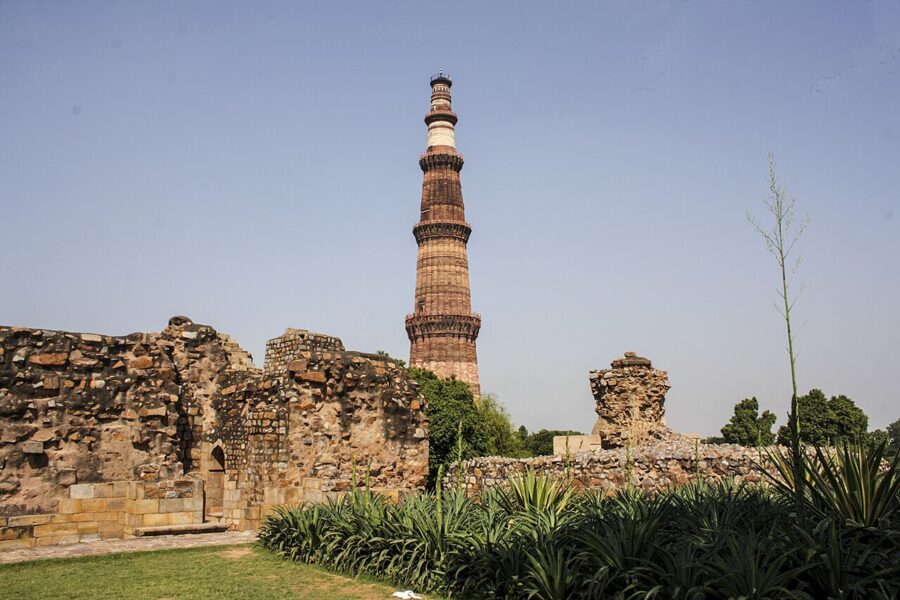

In the mosque courtyard stands the Iron Pillar, whose Sanskrit inscription in Brahmi script dates to the fourth century and names a king called Chandra. North of the minaret is the stump of the Alai Minar, which Khalji meant to be twice the Qutub’s height and abandoned at 25 m. UNESCO listed the site in 1993.
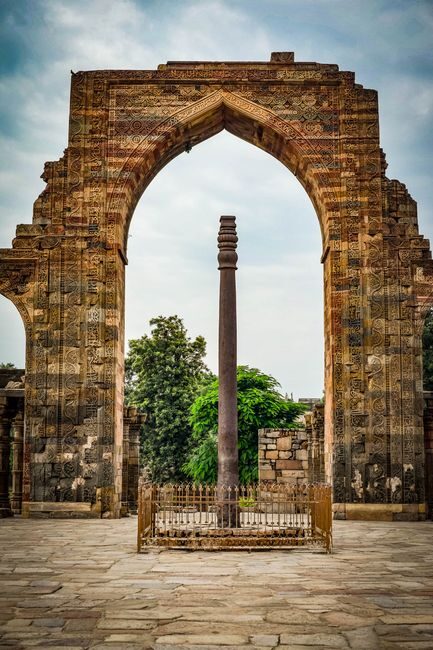
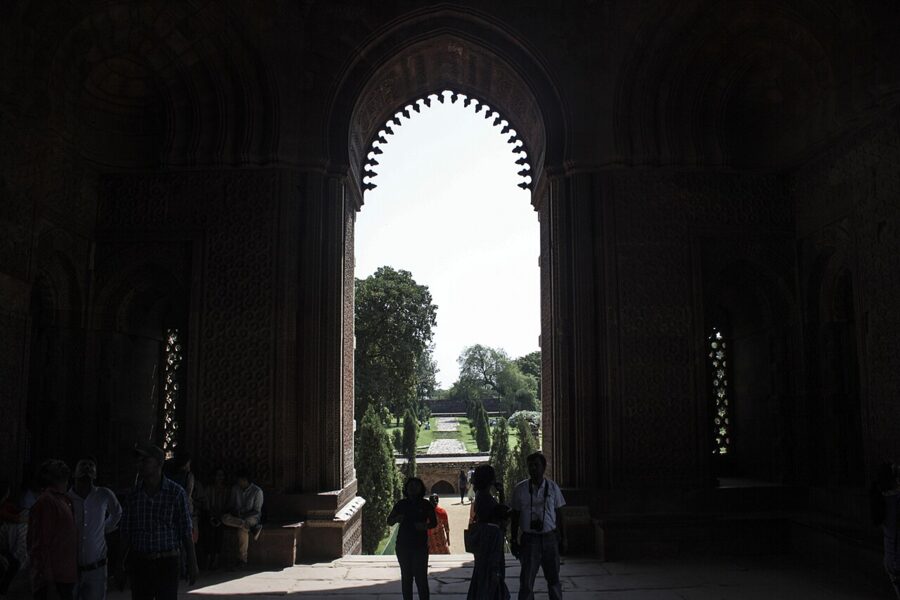

The complex is open from sunrise to 8pm at the standard ASI rate. Allow 90 minutes. Qutub Minar station on the Yellow Line is too far from the gate to walk comfortably in the heat, so take an e-rickshaw or auto from outside. I would come in the late afternoon and stay for the light on the tower.
Hauz Khas
Hauz Khas is a 14th-century reservoir dug for Ala-ud-din Khalji’s city of Siri, with the madrasa and tomb of Firuz Shah Tughlaq along its edge.
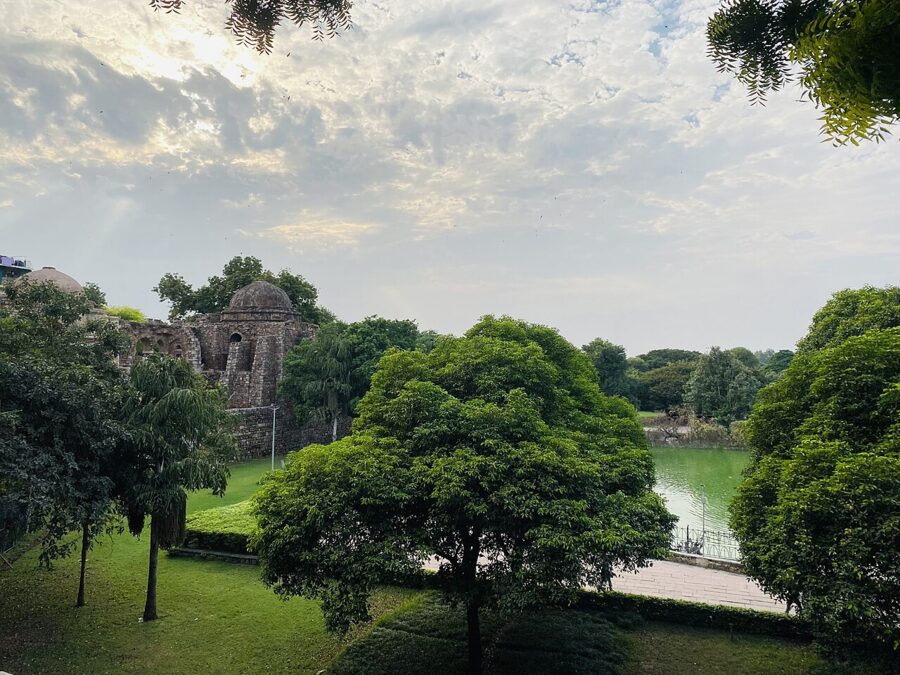

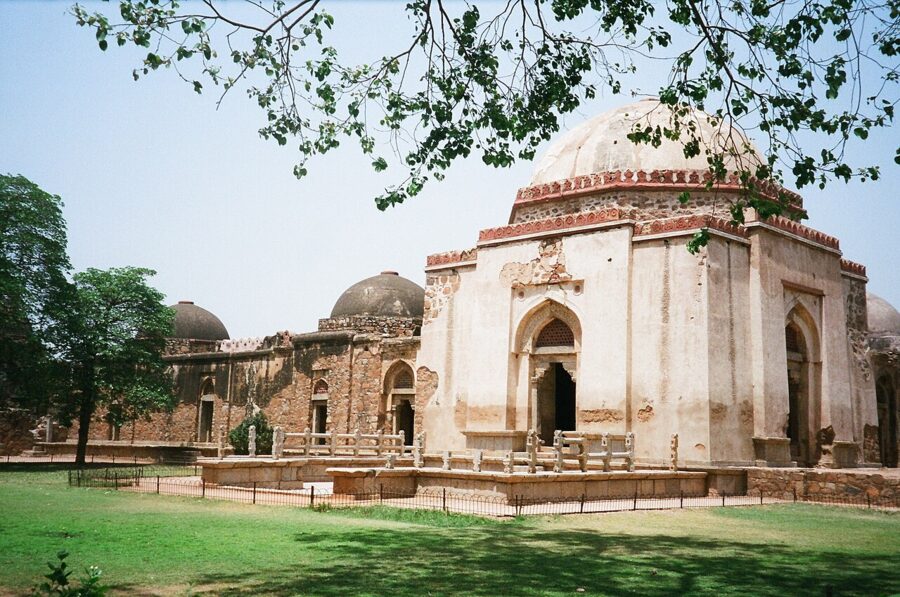

Delhi Tourism lists the Hauz Khas complex as open from 10.30am to 7pm daily, with a fee of ₹20 for Indians and ₹250 for foreigners; published fees can lag behind the gate, so carry some cash. Allow an hour. Hauz Khas station (Yellow and Magenta Lines) is an auto ride away, and it pairs well with Qutub Minar on the same afternoon.
New Delhi: India Gate, Rashtrapati Bhavan and the museums
Lutyens’ capital is broad, green and built for cars, so distances are longer than they look. The ceremonial axis runs about 3 km (2 miles) from India Gate west to Rashtrapati Bhavan.
India Gate and Kartavya Path
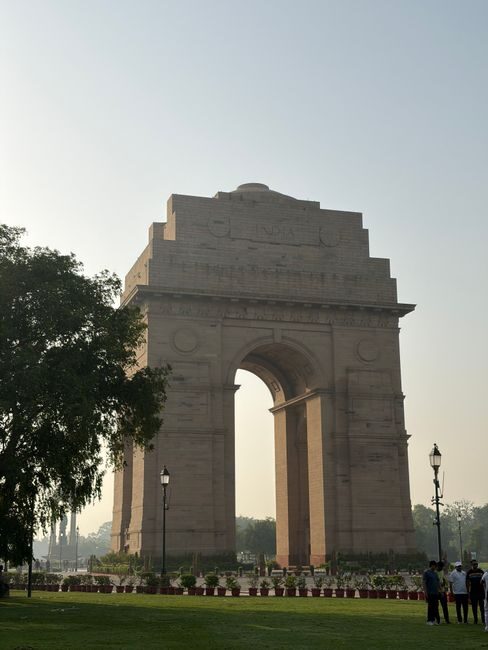
India Gate is the war memorial arch at the eastern end of the axis, carrying the names of 13,500 soldiers of the British Indian Army. The National War Memorial, opened in 2019 for those killed since Independence, sits behind it. The avenue running west, Kartavya Path, was renamed from Rajpath in 2022 and relaid with lawns, canals and walkways.
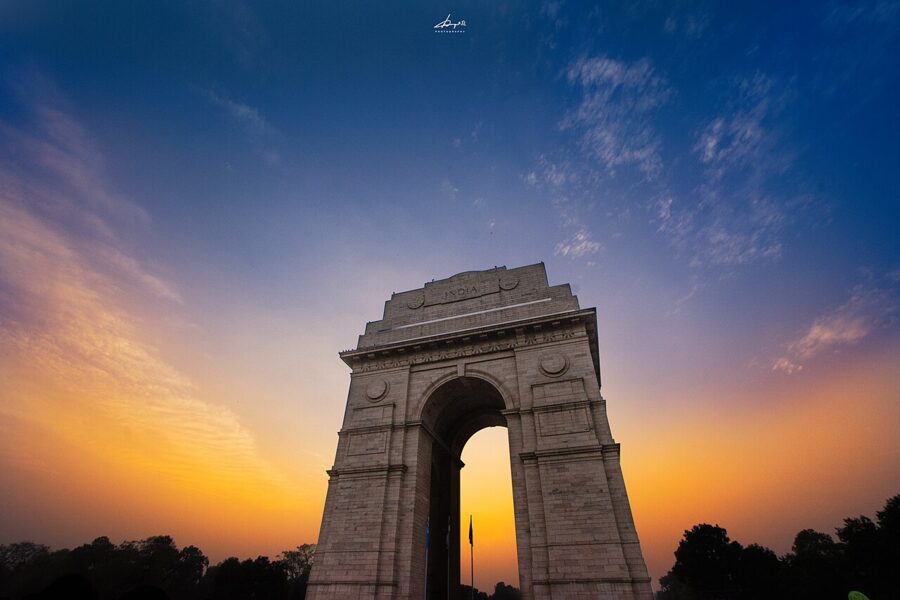

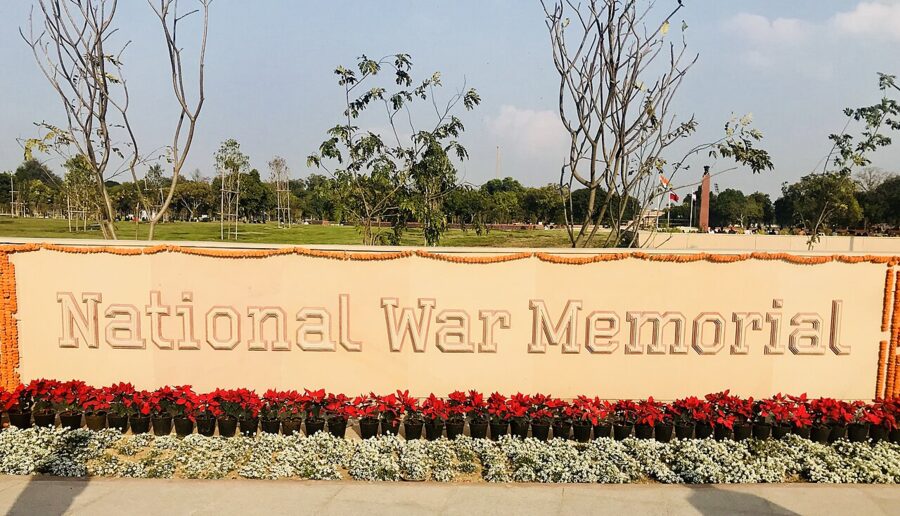

The area is open around the clock, though some sections close after dark. Allow 45 minutes, longer if you walk part of Kartavya Path. Central Secretariat (Yellow and Violet Lines) and Khan Market (Violet) are each about 2 km away.
Rashtrapati Bhavan
Rashtrapati Bhavan was built between 1912 and 1929 to Edwin Lutyens’ designs as the Viceroy’s House, and became the President’s residence after Independence. It has 340 rooms on four floors in a 330-acre estate and a dome modelled on the stupa at Sanchi. You can see inside only on a booked tour.
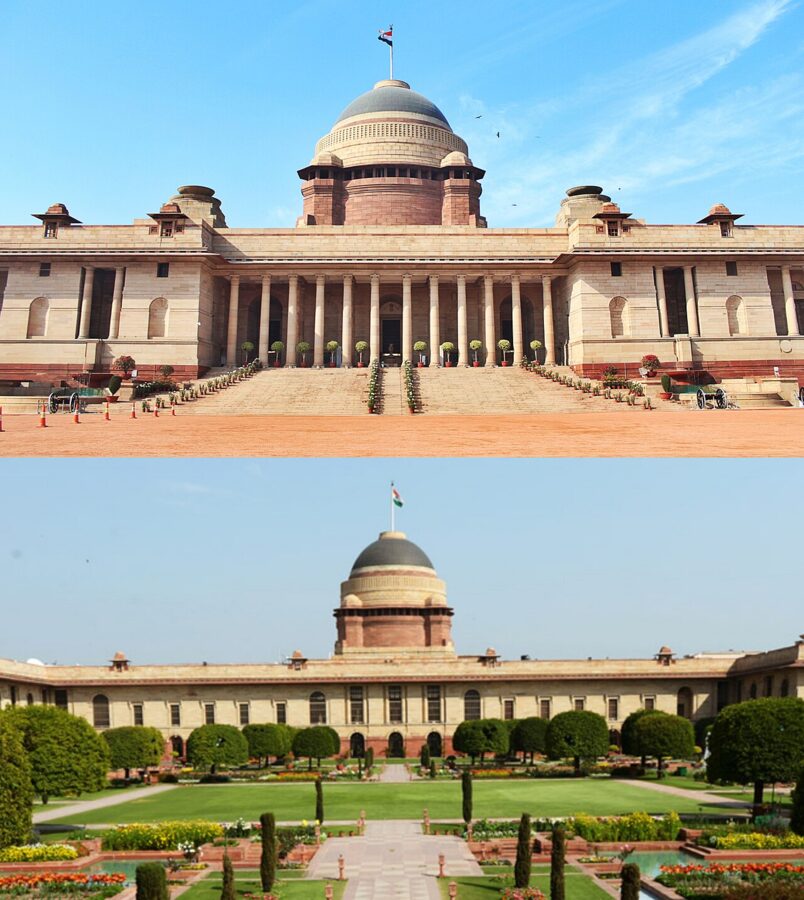

Book on the Rashtrapati Bhavan visit portal. As of 2026 the main building is open Tuesday to Sunday from 9.30am to 4.30pm, last entry 4pm. Registration is ₹50 (about 60 US cents) per person online, children under eight are exempt, and foreign nationals must carry their original passport. Enter at Gate 38 on Church Road, about 1 km from Central Secretariat station, and allow two hours with security.
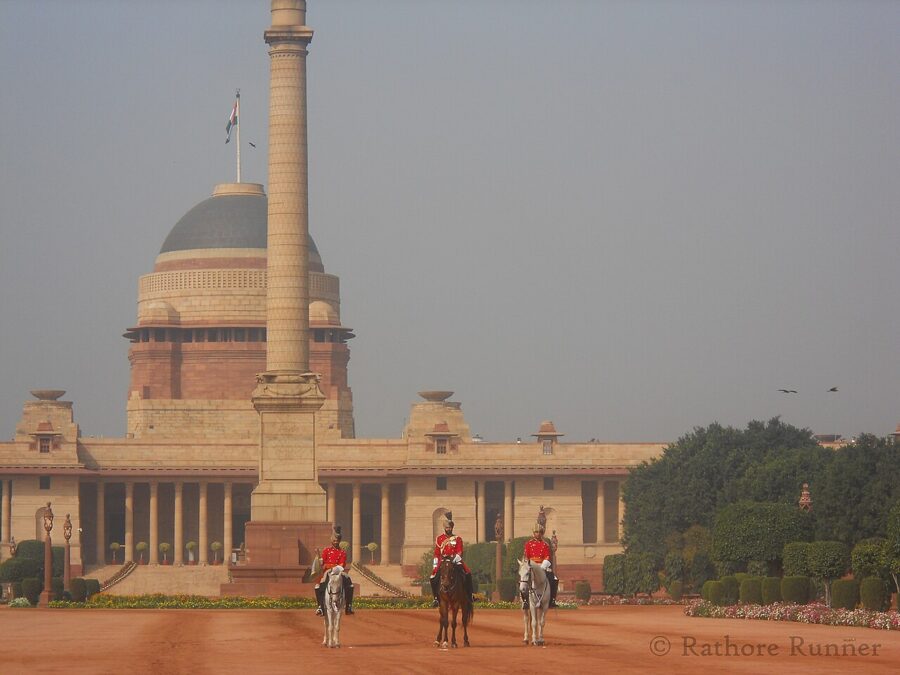
The same portal books the museum, open Tuesday to Sunday from 9.30am to 5pm through Gate 30; only its first phase has been open since October 2025. On Saturdays the Change of Guard ceremony fills the forecourt with the mounted President’s Bodyguard and a brass band; since 10 October 2026 it has run from 7.30am to 8.30am, registration ₹50. Amrit Udyan, the estate’s gardens, opens seasonally, and bookings close at 10am the day before.

The National Museum
The National Museum on Janpath shows what came before the monuments: Harappan finds, Gupta sculpture, Chola bronzes and miniatures. Its most famous piece is small, the bronze Dancing Girl from Mohenjo-daro.
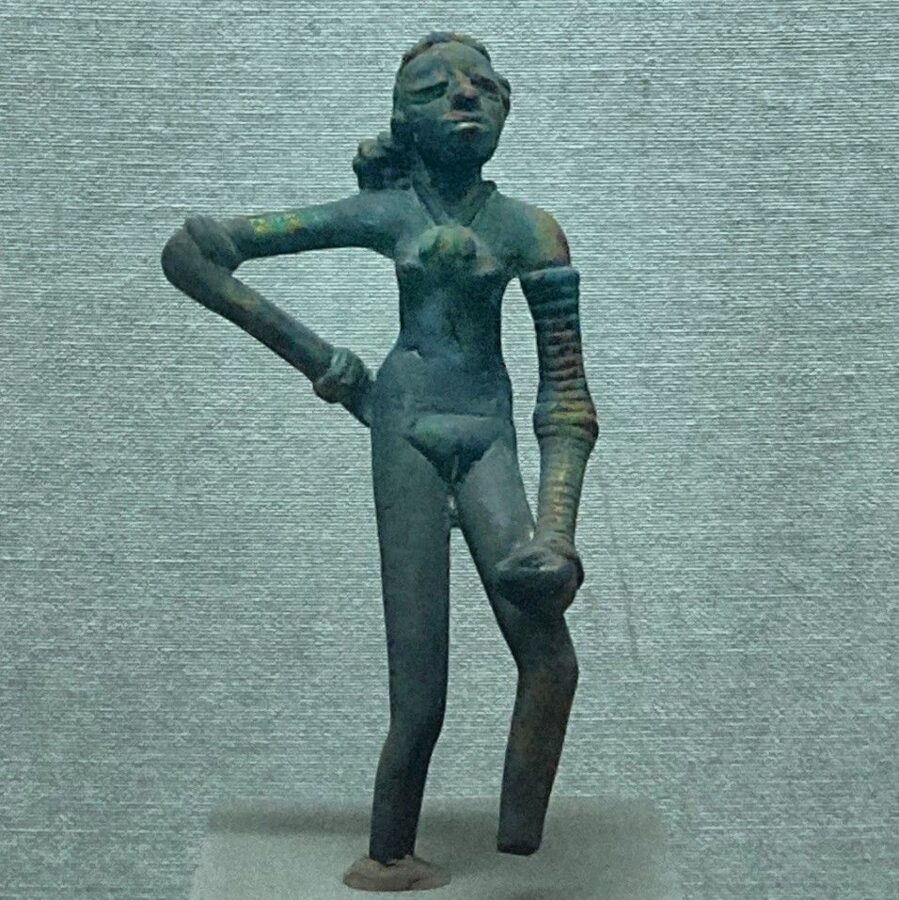

The National Museum is open Tuesday to Sunday from 10am to 6pm, closed on Mondays and national holidays. Tickets are ₹20 for Indian adults; for foreign nationals the museum’s own pages give ₹500 in one place and ₹650 including the audio guide in another. Allow two hours. Central Secretariat and Udyog Bhawan (Yellow Line) are the closest stations.
Faith sites: Bangla Sahib, the Lotus Temple and Akshardham
These are places of worship first. The rules are simple and enforced.
Gurudwara Bangla Sahib
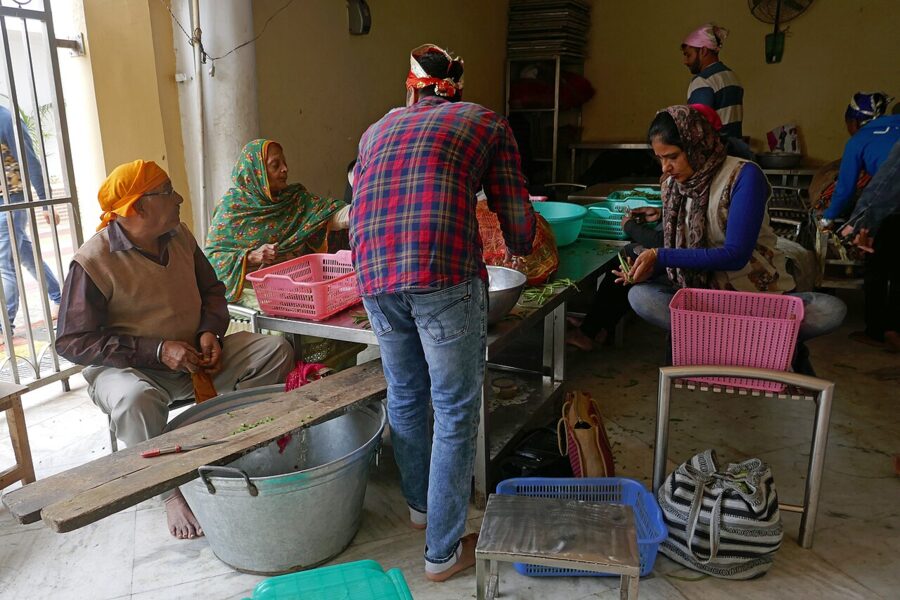
Bangla Sahib is Delhi’s best-known Sikh gurdwara, built where the eighth Guru, Guru Har Krishan, stayed in the city. It is open around the clock and free. Cover your head (scarves are provided), leave your shoes at the free counter, rinse your feet at the steps, and bring no tobacco or alcohol.
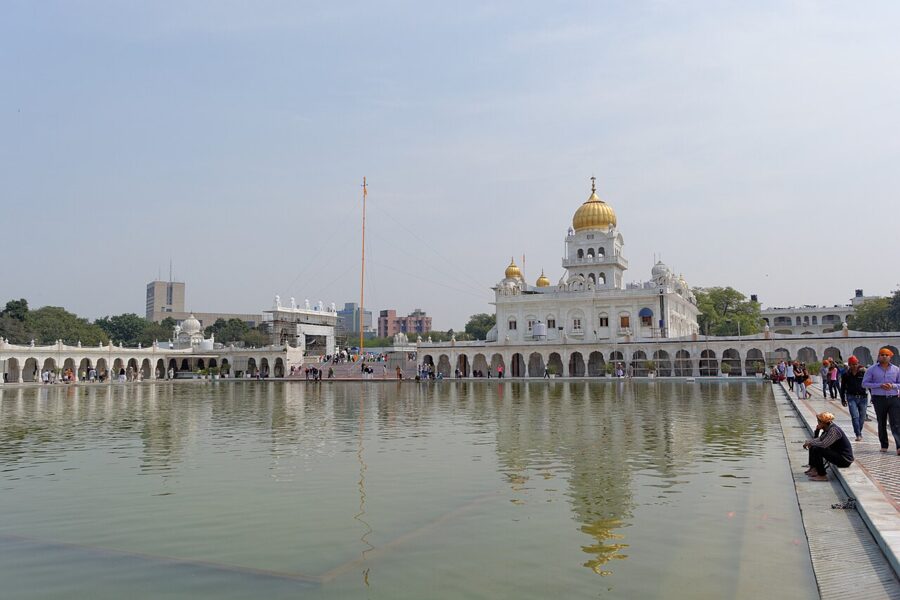

The langar, the free communal kitchen, feeds anyone who sits down. Allow 45 minutes. Patel Chowk station (Yellow Line) is about 10 minutes’ walk, and Connaught Place is close enough to walk from.

The Lotus Temple
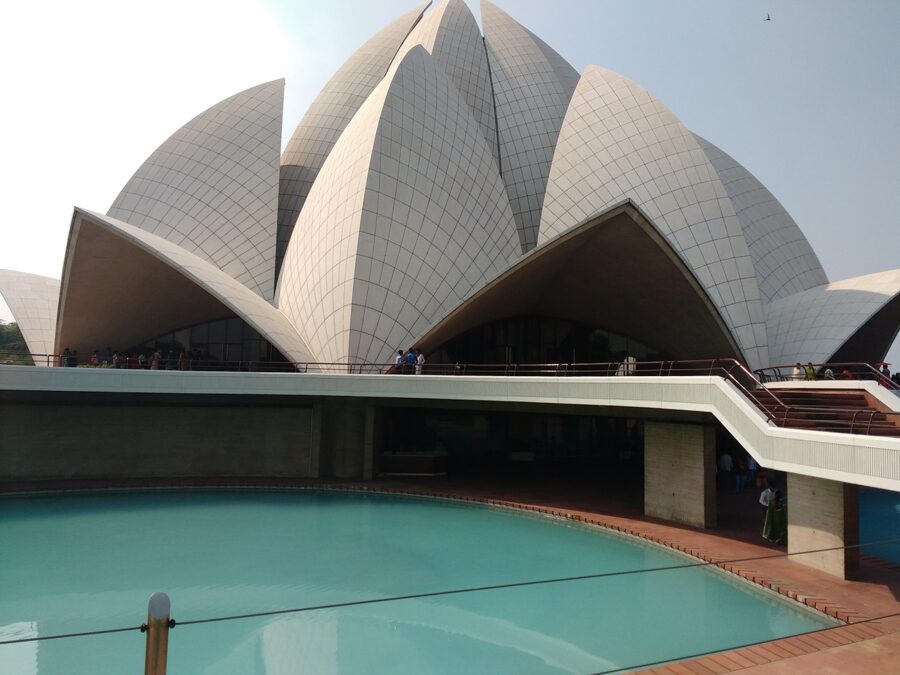
The Lotus Temple is the Bahá’í House of Worship, dedicated in 1986: white marble-clad petals rising from nine pools, open to people of every faith. Inside is a single hall where silence is kept. Entry is free, it is closed on Mondays, and shoes come off before the steps.
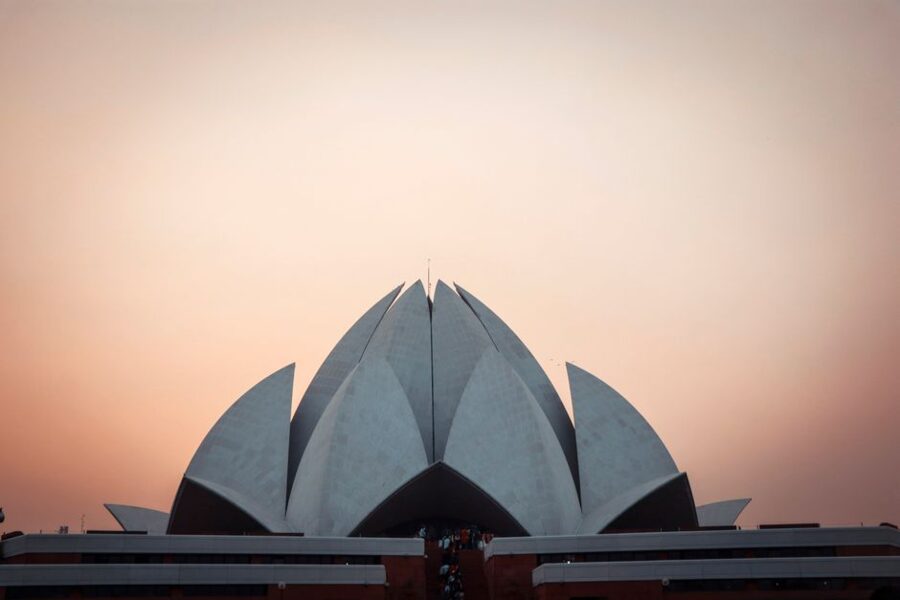
Hours change with the season, roughly 9am to 5.30pm in winter and later in summer, and published times disagree, so check the House of Worship’s site first. Allow 45 minutes. Kalkaji Mandir station (Violet and Magenta Lines) is a 10-minute walk.
Swaminarayan Akshardham
Akshardham, on the east bank of the Yamuna, is a vast modern temple complex of carved sandstone and marble with exhibitions and an evening water show. It is the largest temple in Delhi and takes longer than you think.
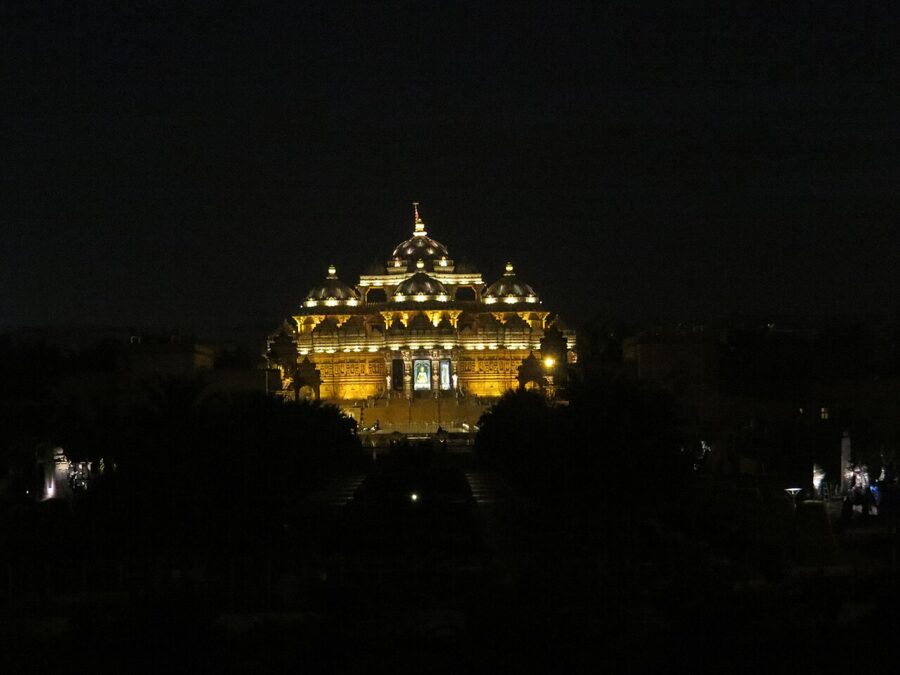

Read Akshardham’s visitor rules before you go: phones, cameras and other electronics, bags, food and umbrellas stay at the free cloakroom outside the security queue. Shoulders, upper arms and knees must be covered, and sarongs are sold at the gate for ₹100.
It is open Tuesday to Sunday, first entry 10am and last entry 6.30pm. Entry is free; the combined exhibition ticket is ₹260 (about US$3) for adults, ₹210 for over-60s and ₹160 for children aged 4–11, and the water show, currently at 7.30pm, is ₹110 for adults and ₹80 for children. Allow three to four hours with both. Akshardham station (Blue Line) is 350 m from Gate 1.
Dress and photography rules at a glance
- Jama Masjid: shoulders and legs covered, hair covered for women, shoes off, camera charge, closed at prayer times.
- Bangla Sahib and Sis Ganj: head covered for everyone, shoes off, feet rinsed, no tobacco or alcohol.
- Akshardham: shoulders, upper arms and knees covered; no phones or cameras anywhere inside.
- Lotus Temple: shoes off, silence and no photography inside the hall.
- Raj Ghat: shoes off at the platform.
A light scarf and long trousers or a long skirt in your day bag cover all of these. If you are flying with hand luggage only, the carry-on packing tips show how to fit them in.
Hours and prices at a glance (as of 2026)
| Sight | Hours | Closed | Foreign national | Indian | Allow | Nearest Metro |
|---|---|---|---|---|---|---|
| Red Fort | Sunrise to 9pm | Monday | ₹550 online, ₹600 cash | ₹35 online, ₹50 cash | 2 hours | Lal Quila (Violet) |
| Jama Masjid | Outside prayer times | Prayer times | Free, camera charge | Free | 45–60 min | Jama Masjid (Violet) |
| Raj Ghat | 7am–6pm | None | Free | Free | 30 min | Auto from the Red Fort |
| Humayun’s Tomb | Sunrise to 9pm (ASI) | None | ₹550 / ₹600 | ₹35 / ₹50 | 90–120 min | Sarai Kale Khan Nizamuddin (Pink) |
| Lodhi Garden | 5am or 6am to 8pm | None | Free | Free | 1 hour | Jor Bagh (Yellow) |
| Qutub Minar | Sunrise to 8pm | None | ₹550 / ₹600 | ₹35 / ₹50 | 90 min | Qutub Minar (Yellow), then auto |
| Hauz Khas complex | 10.30am–7pm | None | ₹250 (listed) | ₹20 (listed) | 1 hour | Hauz Khas (Yellow, Magenta) |
| India Gate, Kartavya Path | 24 hours | None | Free | Free | 45 min | Central Secretariat |
| Rashtrapati Bhavan | 9.30am–4.30pm | Monday | ₹50, booked online | ₹50 | 2 hours | Central Secretariat |
| National Museum | 10am–6pm | Monday, national holidays | ₹500 (₹650 with audio guide) | ₹20 | 2 hours | Udyog Bhawan (Yellow) |
| Bangla Sahib | 24 hours | None | Free | Free | 45 min | Patel Chowk (Yellow) |
| Lotus Temple | About 9am to 5.30pm, later in summer | Monday | Free | Free | 45 min | Kalkaji Mandir (Violet, Magenta) |
| Akshardham | 10am to 6.30pm (last entry) | Monday | Free; exhibitions ₹260, water show ₹110 | Same | 3–4 hours | Akshardham (Blue) |
Getting around: the Metro, taxis and ride apps
The Delhi Metro is the fastest way between most of these sights for most of the day. Since the fare revision of 25 August 2025, single journeys cost ₹11 to ₹64 (about 13 to 75 US cents) by distance, with a discount on smart cards. Every station has an airport-style bag scan at the entrance, so allow a few minutes extra at rush hour.
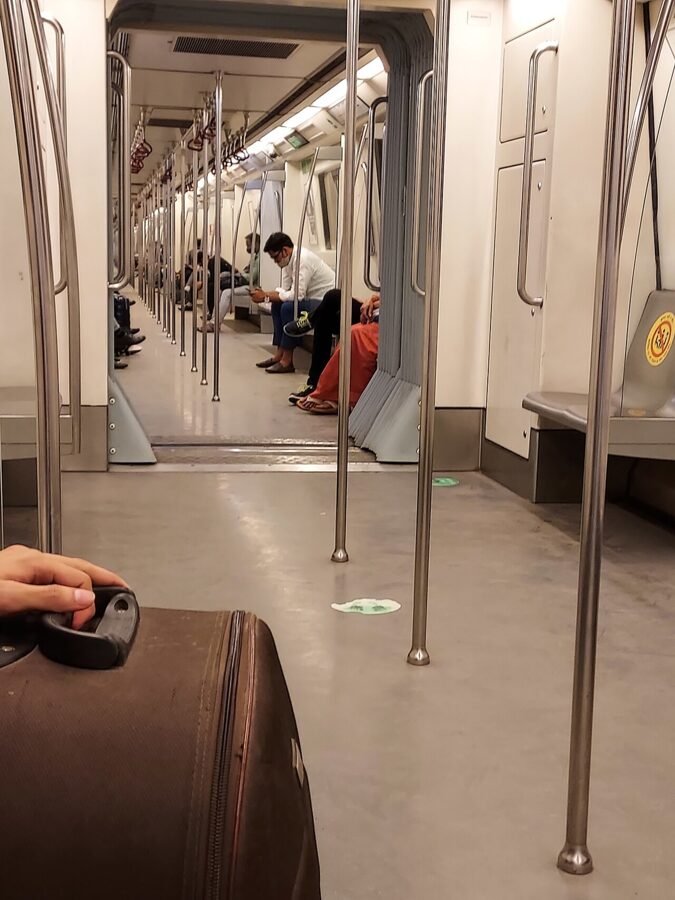

You will mostly use the Yellow Line (Chandni Chowk to Qutub Minar through Rajiv Chowk and Central Secretariat), the Violet Line (Lal Quila, Jama Masjid, Khan Market, Kalkaji Mandir) and the Blue Line to Akshardham. The Airport Express connects with the Yellow Line at New Delhi station.

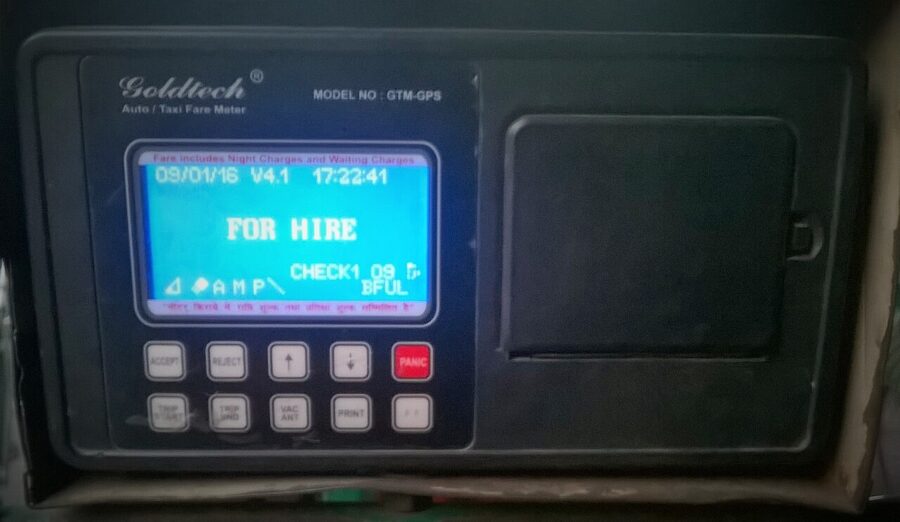
For door-to-door trips, Uber, Ola and Rapido all work in Delhi and book autos as well as cars, which removes the haggling. A street auto is fine for short hops if you agree the price first. A cross-city taxi ride that takes half an hour early on a Sunday can take twice as long at 6pm on a weekday, while the Metro barely changes, so for anything along one line, take the train.

Two-day and three-day plans
Each day stays in one part of the city. Keep Old Delhi off Mondays and Sundays, and use Monday for the south, where the ASI monuments and Lodhi Garden stay open.
Three days
| Day | Morning | Afternoon | Evening |
|---|---|---|---|
| Day 1: Old Delhi (Tuesday to Saturday) | Red Fort at opening, Jama Masjid before 11am | Chandni Chowk on foot and by rickshaw, lunch at Paranthe Wali Gali, auto to Raj Ghat | Rest; Old Delhi is tiring |
| Day 2: New Delhi (Tuesday to Sunday) | Bangla Sahib at 8am, then a booked Rashtrapati Bhavan tour (or the Saturday Change of Guard) | National Museum, then Lodhi Garden | Humayun’s Tomb for the late light, India Gate after dark |
| Day 3: South and east (not Monday) | Qutub Minar at opening, before the heat | Hauz Khas, then the Lotus Temple | Akshardham for the exhibitions and water show |
On day two, the Rashtrapati Bhavan slot sets the order; with an afternoon slot, move the museum to the morning.
Two days
Day 1, Old Delhi and the tombs (Tuesday to Saturday): Red Fort at opening, Jama Masjid before 11am, a short Chandni Chowk walk and lunch, then a taxi to Humayun’s Tomb for mid-afternoon and Lodhi Garden as the light goes.
Day 2, New Delhi and the south: Bangla Sahib early, India Gate, the National Museum or a booked Rashtrapati Bhavan tour, then Qutub Minar in the late afternoon and Hauz Khas at sunset.
If Delhi starts a longer route, Agra and the Taj Mahal are the obvious next stop, and the city is also a common long-haul gateway for a beach week in the Maldives. Either way, the Monday rule still applies: plan Delhi by distance and by the day of the week, and the city stops fighting you.