
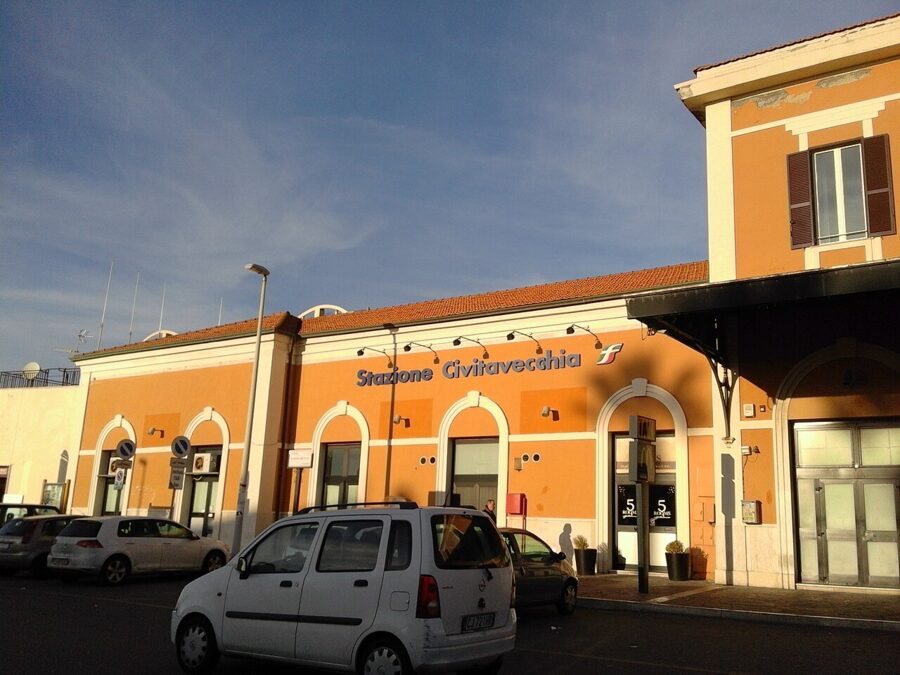
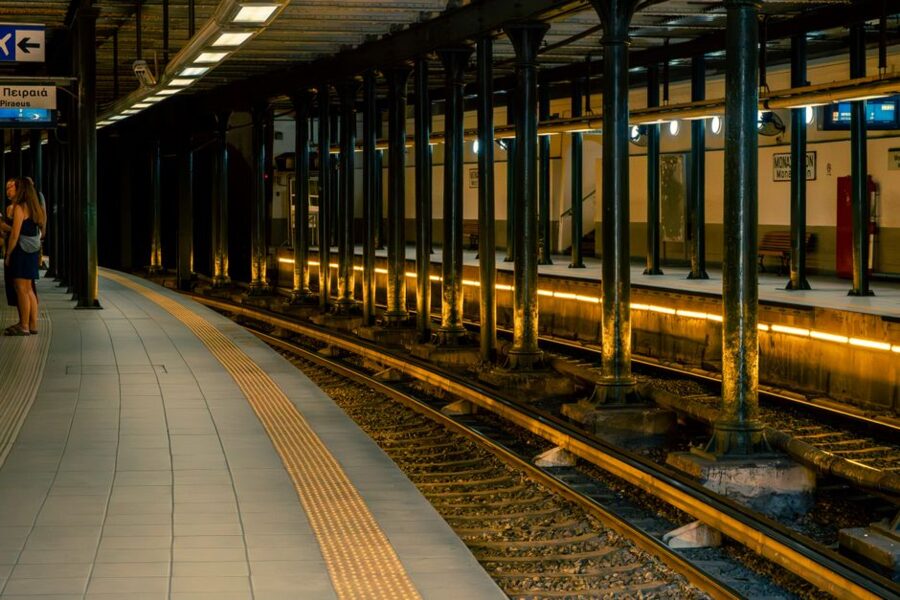
The port printed as “Rome” on a cruise itinerary is Civitavecchia, about 80 km (50 miles) from the Colosseum. “Florence” is Livorno, a train ride from the Duomo, and “Athens” is Piraeus, where the walk from the far cruise terminal to the metro takes half an hour. Plan a Mediterranean cruise by the distance between the gangway and the thing you came to see, and most of the other decisions sort themselves out.
Four choices shape everything else: east or west, how long, which months, and how big a ship. Get those right and the cabin, the true bill and the shore-day plan follow. The EU’s new border checks, running in full since April 2026, add one more reason to build slack into the first and last days.

I would rather do one port well than three in a rush, and a Mediterranean cruise makes that hard: the ships sail at teatime and the famous sights sit inland.
The four decisions that shape the trip
East, west or the Adriatic
The Western Mediterranean is a cities cruise: Barcelona, Marseille, Rome, Florence and Naples, with the Riviera and the Balearics thrown in. Several of those cities sit an hour or more inland from their ports, so port days are long, early and transport-heavy. Choose the west for art and big-name sights, with the ship as a moving hotel between them.
The Eastern Mediterranean is an islands-and-old-towns cruise: Greek islands, Athens, often Istanbul or Turkey’s Aegean coast. Ports are smaller, many towns are walkable from the quay, and some (Santorini above all) are tender ports. Choose the east if you want the sea itself to be the point, and accept more heat and more queues for launches.
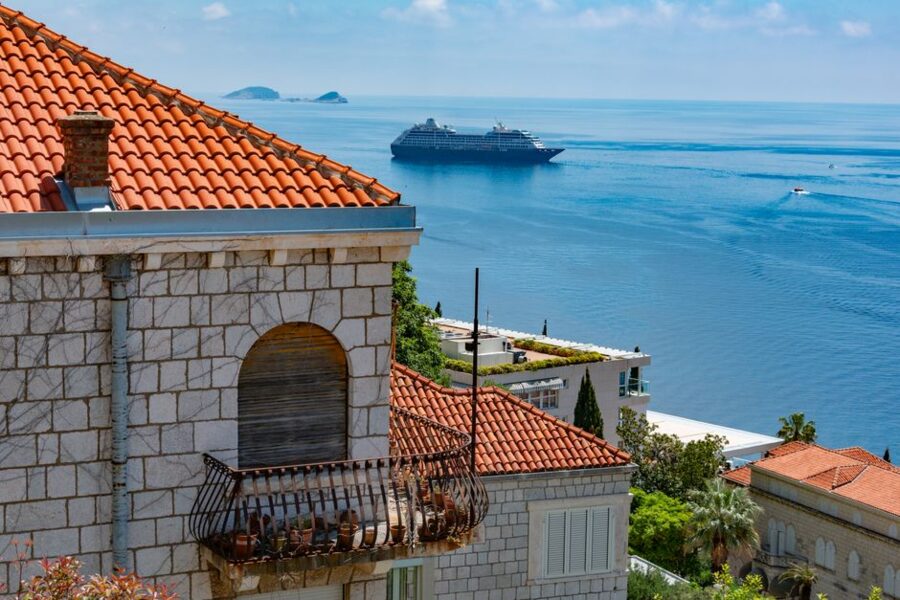
The Adriatic is the third option and often the best for a first cruise: Venice or Trieste, then Split, Dubrovnik, Kotor and Corfu, sometimes finishing in Athens. Dubrovnik and Kotor are among the few big-name stops where you step off the ship within a short bus ride or walk of the old town.
How long
Seven nights is the standard, and it covers one region properly. Ten to twelve nights lets you mix east and west, or adds a sea day to recover from three heavy city stops in a row. I would not go shorter than seven for a first trip: the flights eat two days and the port days are tiring.
The cruise I would avoid for a first trip is a big-ship seven-nighter in August that puts Rome, Florence and Naples on consecutive days. Three early starts, three long transfers and three crowded sights in midsummer heat is how people come home saying they saw Italy from a coach window.
When to go, and the heat
The main season runs from April to October, with peak crowds and prices in July and August. Many lines also run Western Mediterranean sailings through the winter, cheaper and cooler but with shorter days and plenty of shuttered island tavernas. My pick is late May, June or September: warm sea, longer opening hours, and less of the midsummer heat that turns an Acropolis climb into an endurance test.
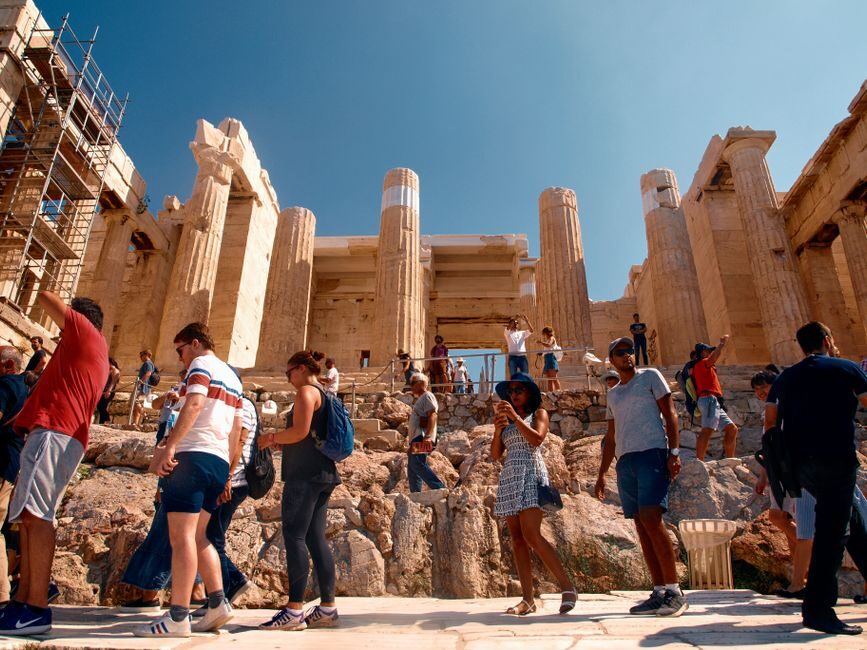
The heat is not a small thing. In recent summers the Greek culture ministry has closed the Acropolis during the hottest hours on heatwave days, and Rome, Naples and Athens all regularly pass the mid-thirties Celsius in July. Greece’s per-passenger levy also drops outside June to September, which is one more reason to look at the shoulder months.
Big ship or small
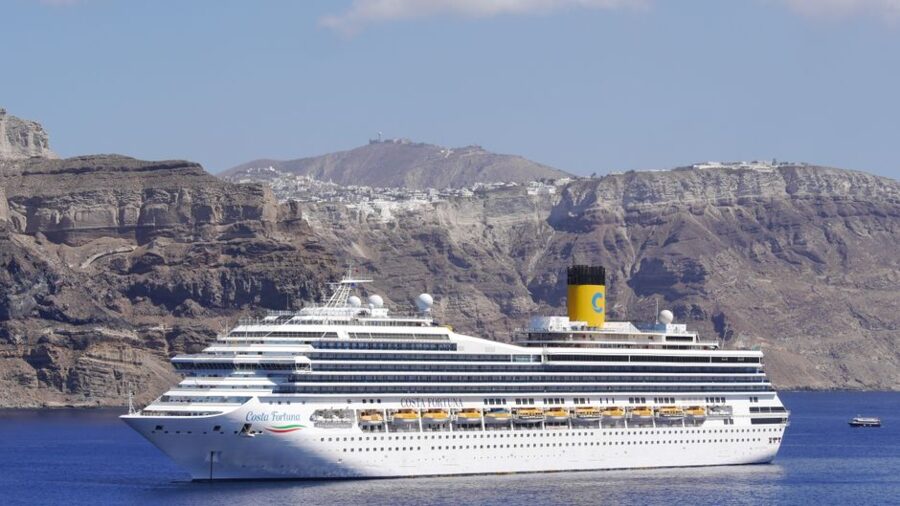
Ship size decides more of your port day than the brochure admits. A ship carrying more than 5,000 passengers fills tenders slowly and empties into towns all at once; a ship of a few hundred can moor in old harbours and gets ashore in minutes.
The itineraries compared
Port order and start cities vary by line, so read each itinerary for where the ship actually berths, not the city name in bold.
| Itinerary | Typical start and end | Signature calls | Port reality | Best for |
|---|---|---|---|---|
| Western Mediterranean, 7 nights | Barcelona or Civitavecchia (Rome), round trip or one way | Marseille, La Spezia or Livorno, Naples, Palma, sometimes Genoa or Cannes | Rome, Florence and Pisa are 1–2 hours inland; Marseille’s terminal is outside the old port | First-timers who want the big cities |
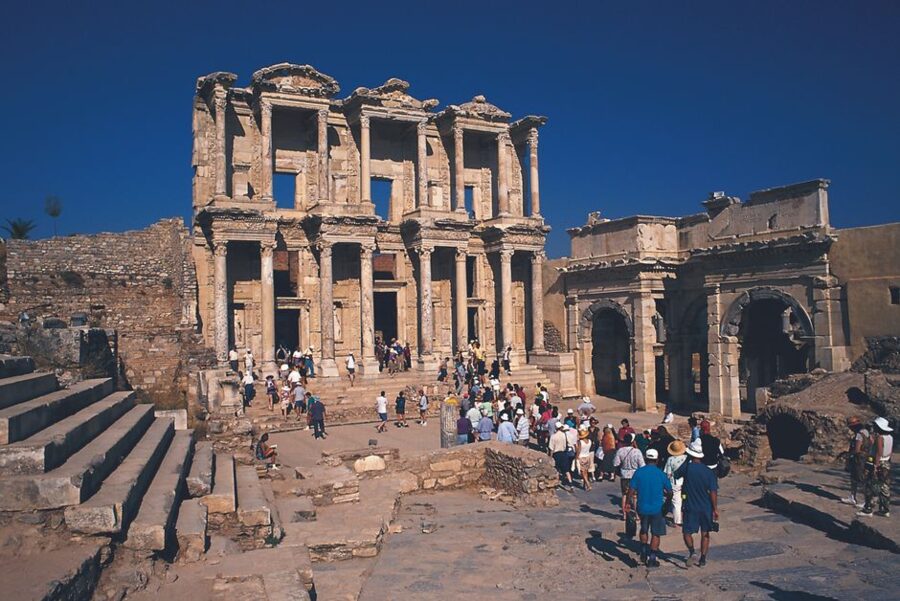
| Eastern Mediterranean and Greek islands, 7 nights | Piraeus (Athens) or Civitavecchia | Mykonos, Santorini, Rhodes, Crete, Kusadasi for Ephesus, sometimes Istanbul | Santorini is a tender port with a daily cap; island towns are walkable | Sea, islands and ancient sites |
| Adriatic, 7 nights | Venice (Fusina or Marghera) or Trieste | Split, Dubrovnik, Kotor, Corfu, sometimes Bari or Zadar | Short transfers to old towns; Venice itself is reached by water from the mainland terminals | Walkable old towns and coastal scenery |
| Long Mediterranean, 10–14 nights | Barcelona to Athens or Venice, or round trips | A mix of the above, often Malta or Sicily | More sea days to rest between big city stops | A slower pace and a wider sweep |
Western Mediterranean
Barcelona is the classic start, and the city does not make it easy on cruise passengers. As of November 2026 a passenger stopping for under 12 hours pays €11 (about US$13) in tourist tax, the city’s €5 plus Catalonia’s €6, and the city council has backed a phased rise to €30 by 2030, starting at €18 in 2027. Starting or ending your cruise there, with a night or two in the city, is the better way to see Barcelona than a day call.
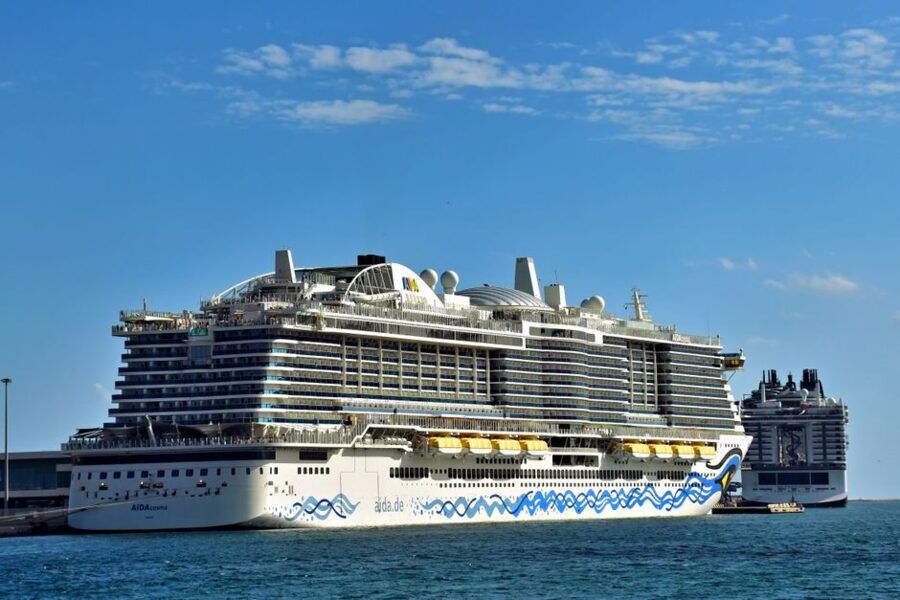
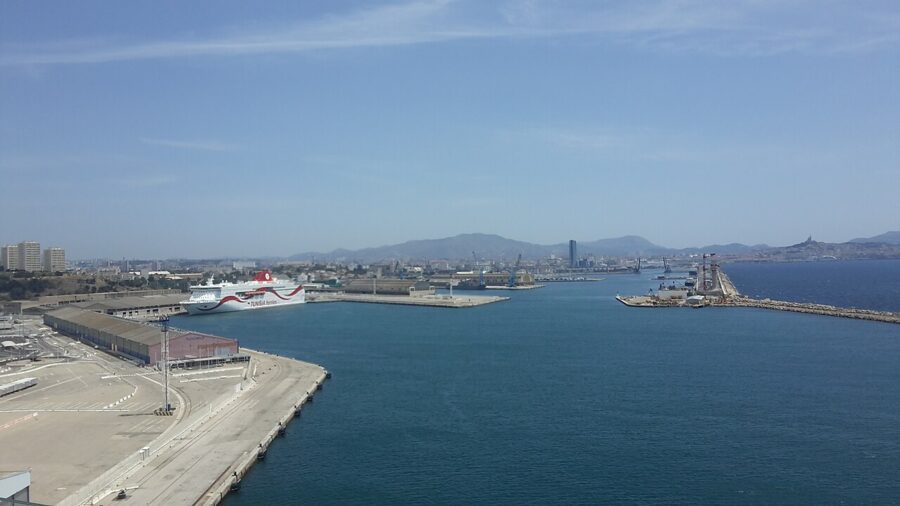
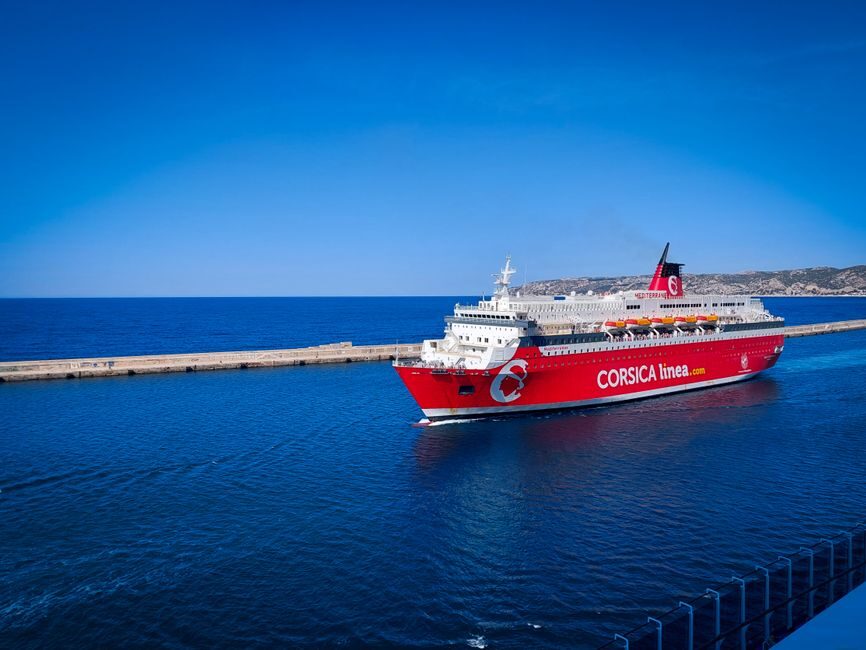
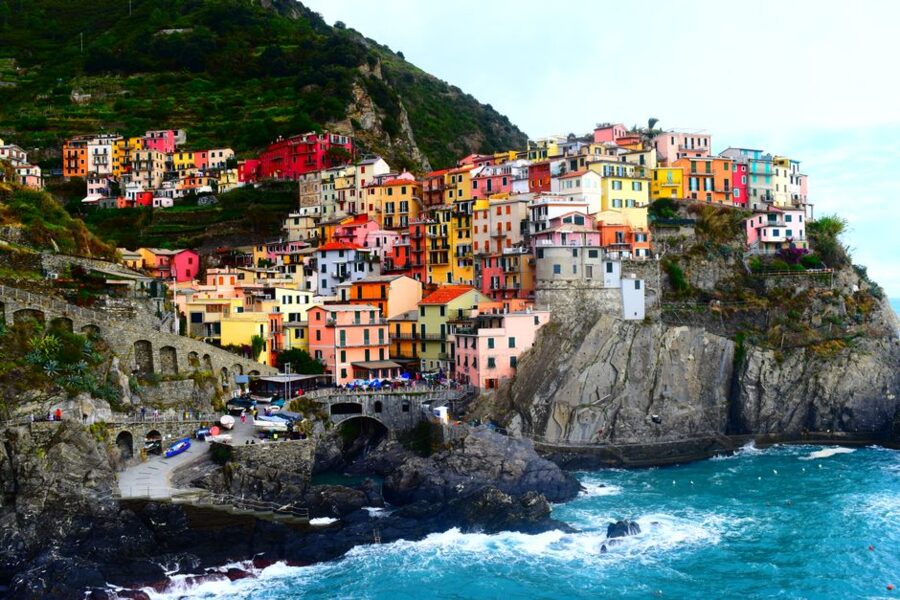
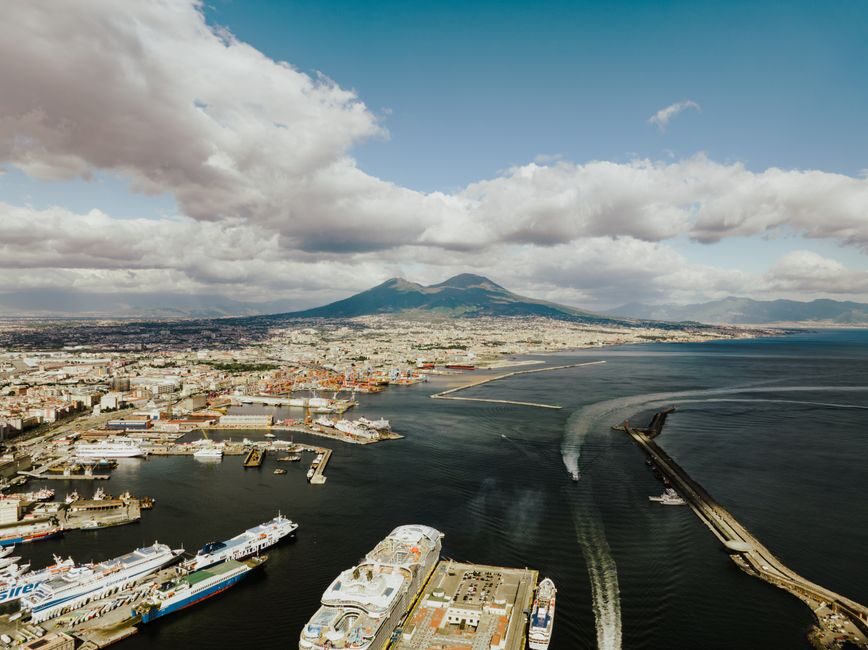
Naples is the easy western port: the cruise terminal, the Stazione Marittima, sits by Castel Nuovo in the city centre, and Pompeii is a regional train ride away. La Spezia puts you on the doorstep of the Cinque Terre villages, while Livorno is the port for Florence and Pisa. Marseille’s cruise terminal sits on the industrial quays north of the old port, so a shuttle comes first.

Eastern Mediterranean and the Greek islands
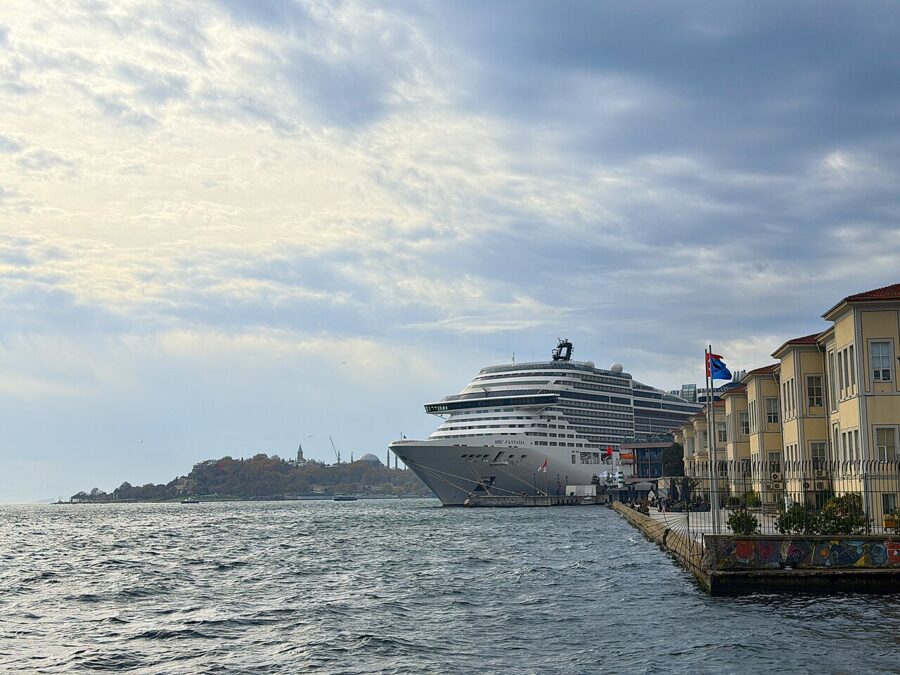
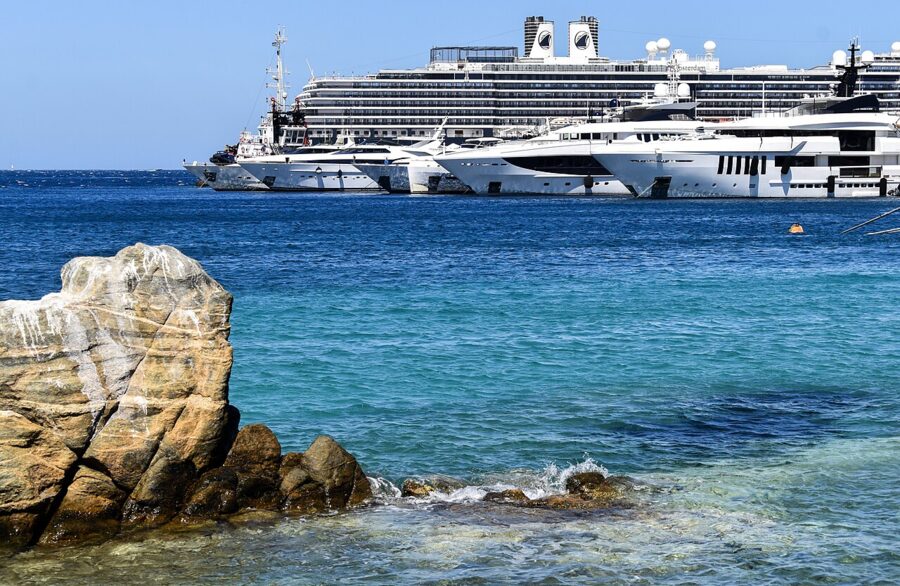
Piraeus is both a turnaround port and a call. Athens is about 12 km (7.5 miles) away, and Holland America’s Piraeus port notes put the walk from Dimotiko Theatro metro station at about 15 minutes to Terminal A and 30 minutes to Terminals B and C. Mykonos and Santorini are the two names everyone wants, and both are now managed hard. Istanbul, when it appears, is a superb call: ships berth at Galataport in Karaköy, walking distance from Galata and a short tram ride from the old city.

The Adriatic, and what happened to Venice
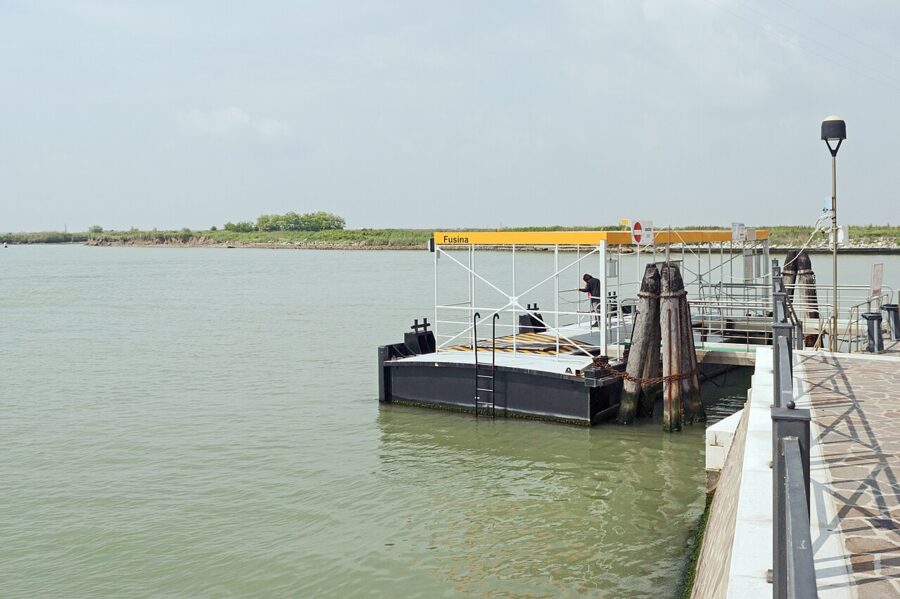
Ships over 25,000 gross tonnes have been barred from the Giudecca Canal since 2021, and Venice’s own cruise terminal at Marittima now takes only ships up to that size. The rest use mainland berths at Fusina and Porto Marghera. Venice’s 2026 season was forecast at 543,000 cruise passengers on 366 calls, down 12% on 2025, with more than 90% of the lines premium or luxury brands on ships under 250 metres.
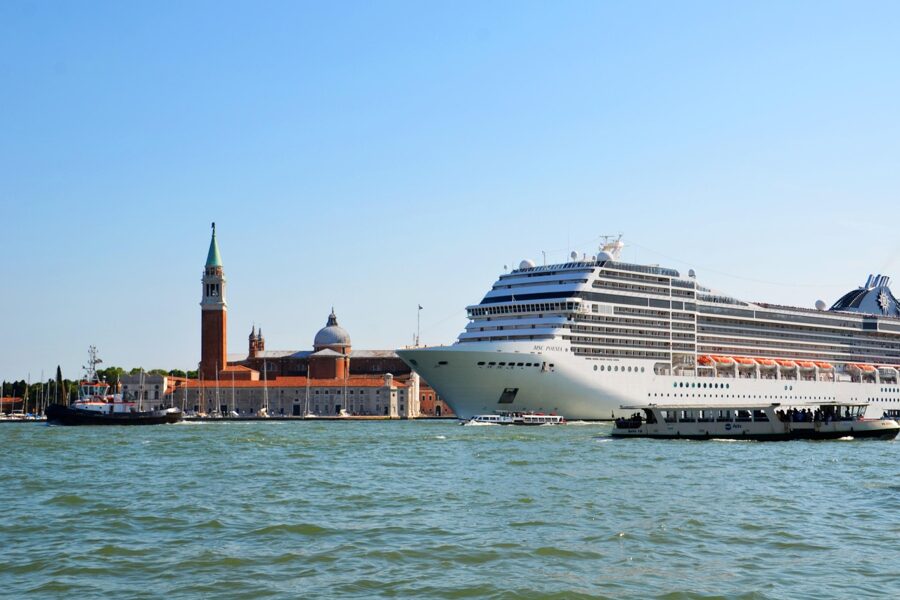
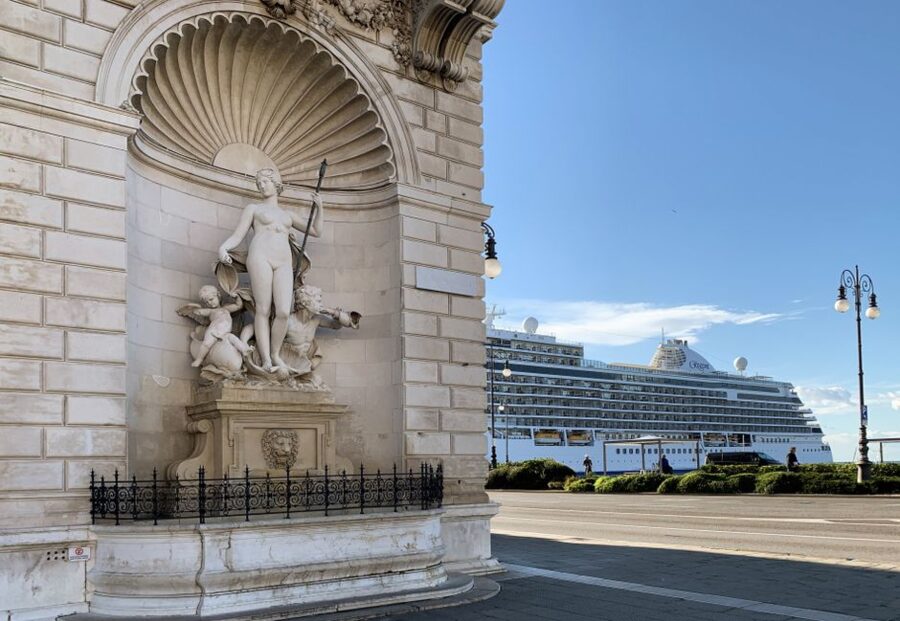
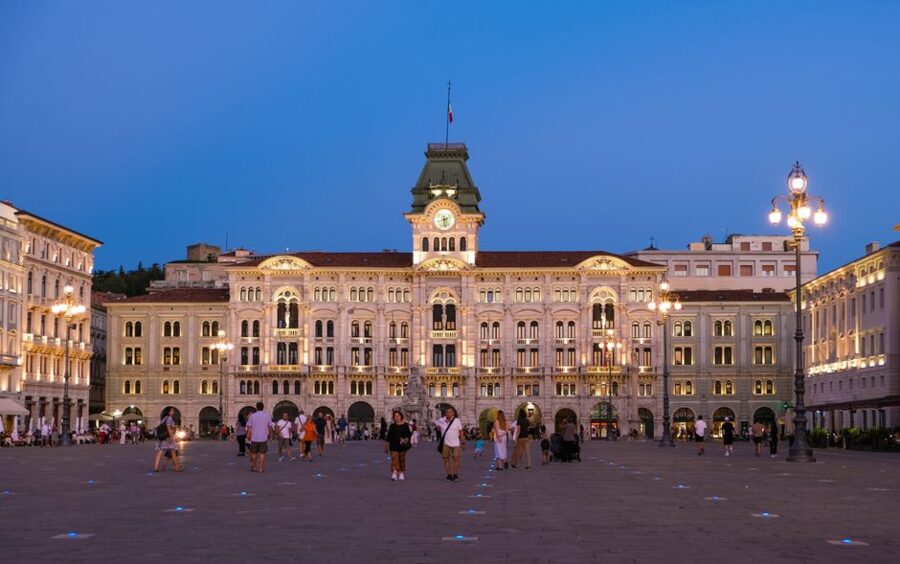
That is why so many big-ship Adriatic cruises now start in Trieste. It is a handsome city in its own right, with the cruise berth on the waterfront by the old town, and a fair trade if you were never going to sleep in Venice anyway.
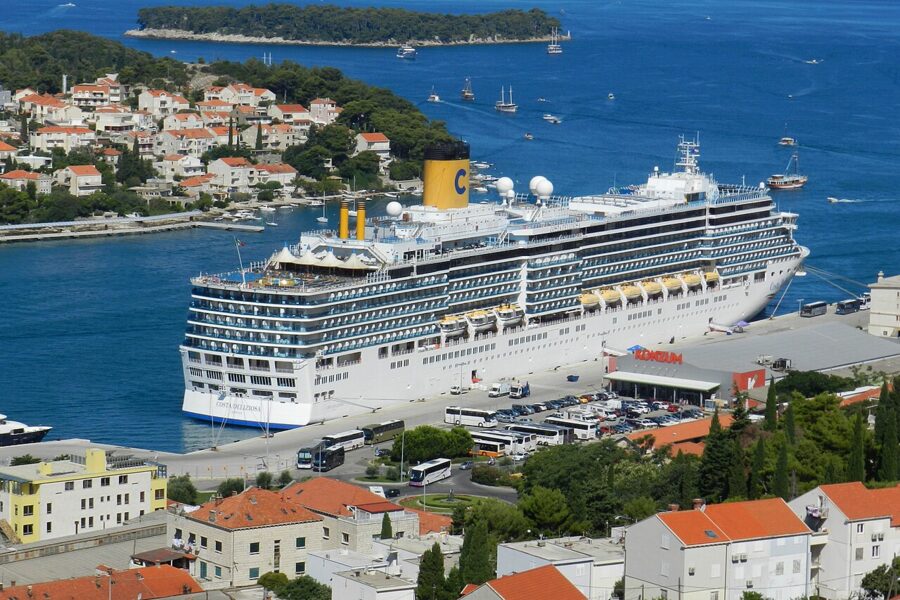
Dubrovnik limits cruise visitors too. Its 2026 berthing rules cap simultaneous cruise visitors at 4,000 and set minimum stays by ship size, with ships of 500 passengers or fewer exempt from some of the rules. The main cruise port is at Gruž, about 3 km (2 miles) from the old town by city bus or taxi; small ships sometimes anchor off the old town and tender in.

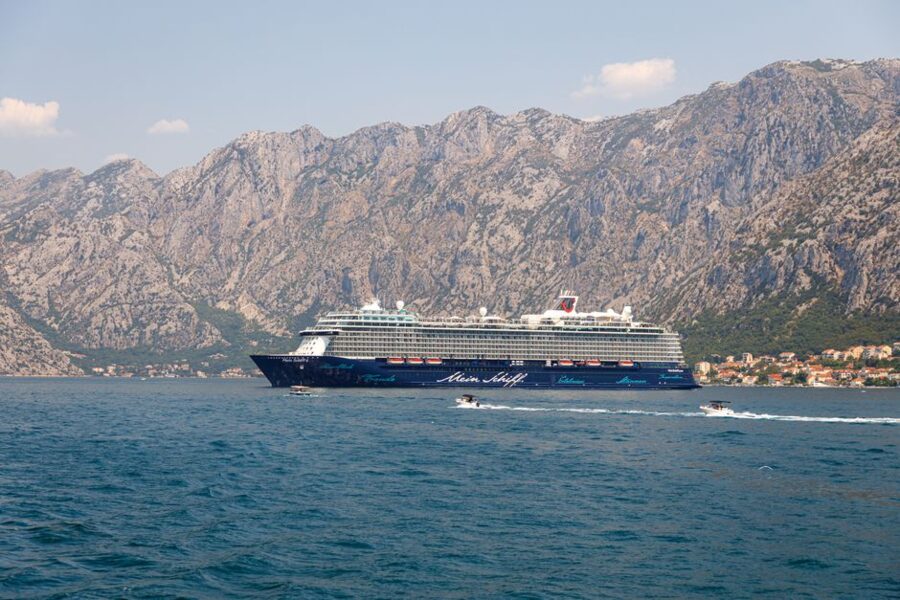
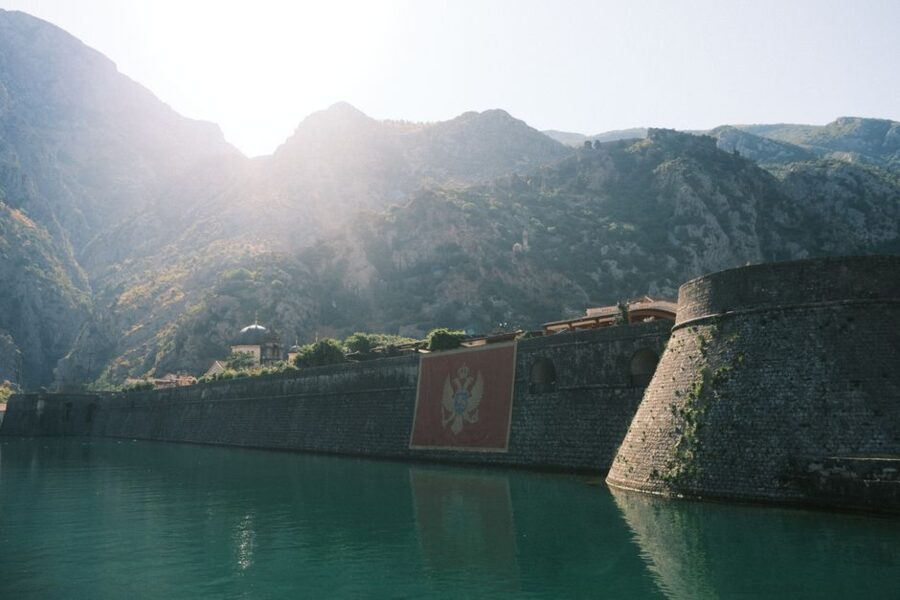
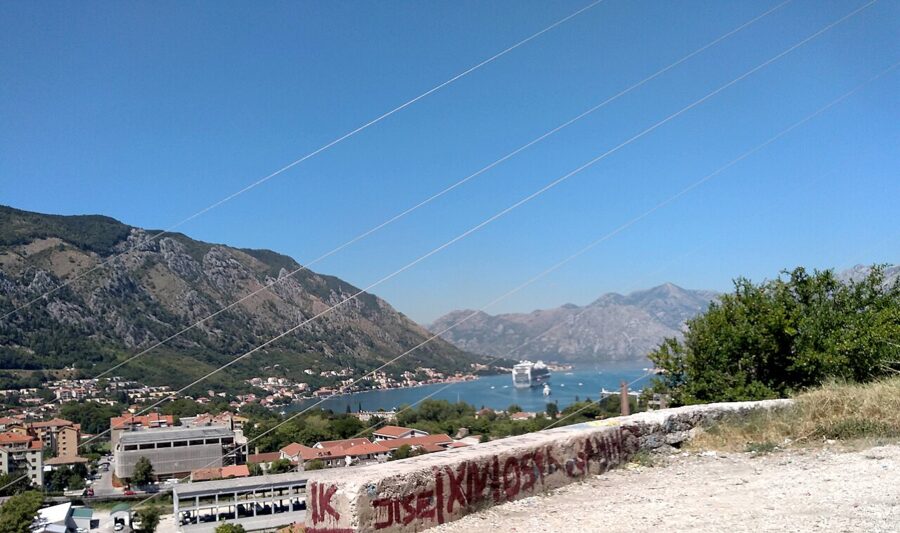
Kotor, in Montenegro, is outside the EU, uses the euro, and has the finest arrival in the Mediterranean: a long, fjord-like bay that narrows between mountains before the old town walls appear. Ships either berth by the town or anchor and tender, and the climb to the fortress above town is best done the moment you land, before the sun gets onto the steps.
Choosing a line and a ship
Big resort ships
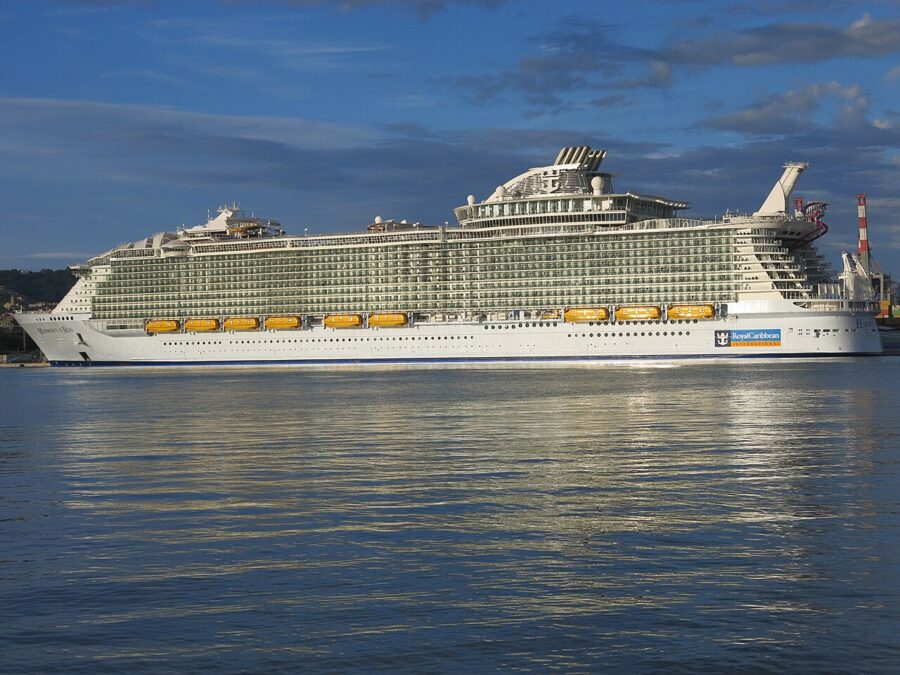
MSC, Costa, Royal Caribbean and Norwegian run the largest ships in the Mediterranean, and MSC and Costa are European lines with Italian home ports, multilingual announcements and a crowd that is mostly European. These ships suit families and anyone who wants the ship to be half the holiday: water slides, theatres, a dozen restaurants. The cost is in port, where a full ship means long tender queues and coach-park crowds.
Premium lines
Celebrity, Princess and Holland America sit a step up: smaller crowds, better food, an older and quieter passenger mix, and itineraries that more often include overnights in Venice, Istanbul or Barcelona. Price the whole bill, not the headline fare.
Small ships and yachts
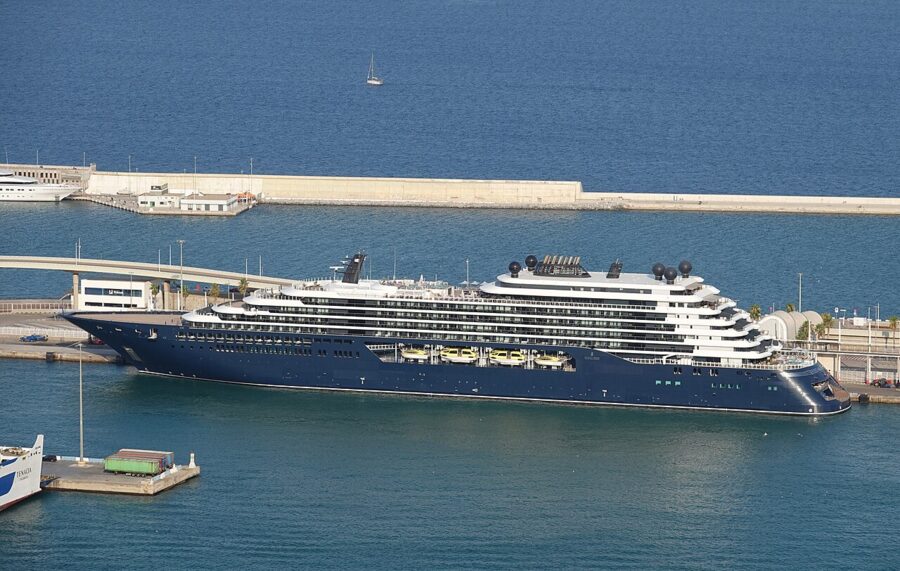
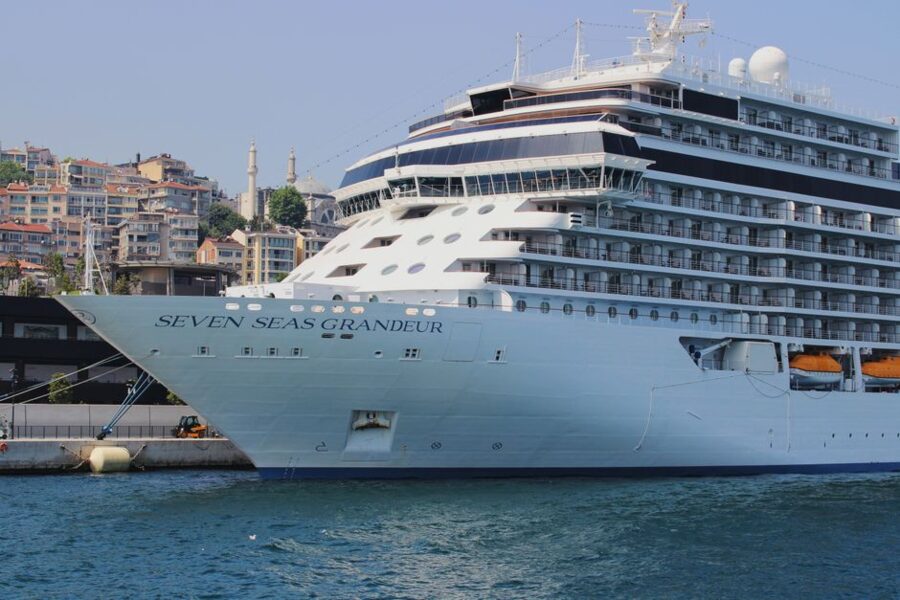
Viking, Windstar, Seabourn, Silversea, Regent Seven Seas, Explora Journeys and the Ritz-Carlton Yacht Collection carry from a few hundred to around a thousand guests. They get into harbours the big ships cannot use, including Venice’s Marittima terminal, and they tender ashore in minutes rather than an hour. Viking’s fare, for example, includes one shore excursion in each port, wifi, beer and wine with lunch and dinner, and port taxes, which changes the arithmetic against a cheaper big ship.

Croatia and Greece also have small coastal cruisers of a few dozen cabins that hop between islands such as Hvar, Korčula and Mljet, with swim stops instead of shows.
Cabins
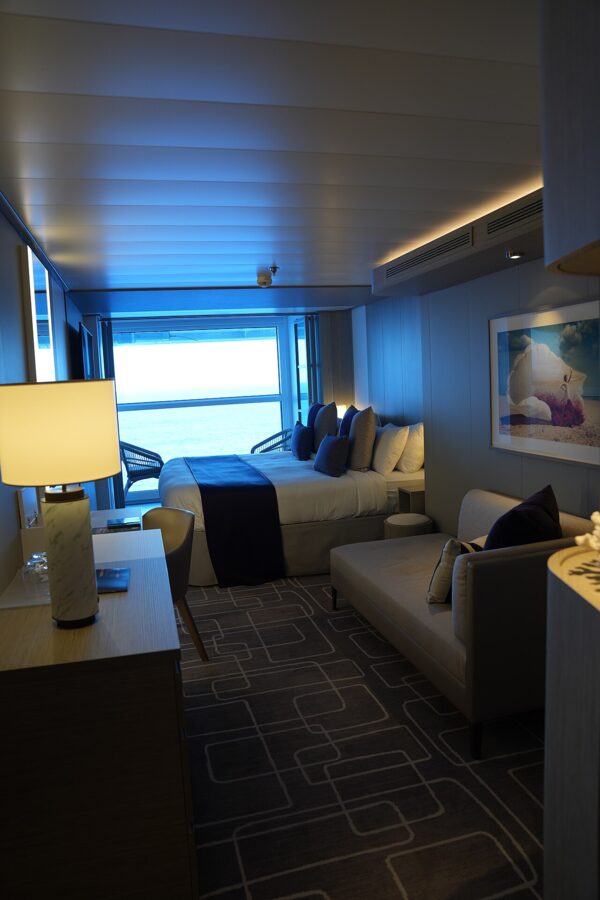
On a port-heavy Mediterranean cruise you will spend less time in the cabin than on a Caribbean one, so an inside cabin is a reasonable saving if the budget is tight. A balcony earns its price on the scenic days: the sail-in to Kotor, the caldera at Santorini, the Dalmatian coast. If you are prone to seasickness, choose a mid-ship cabin on a lower deck, where movement is least.
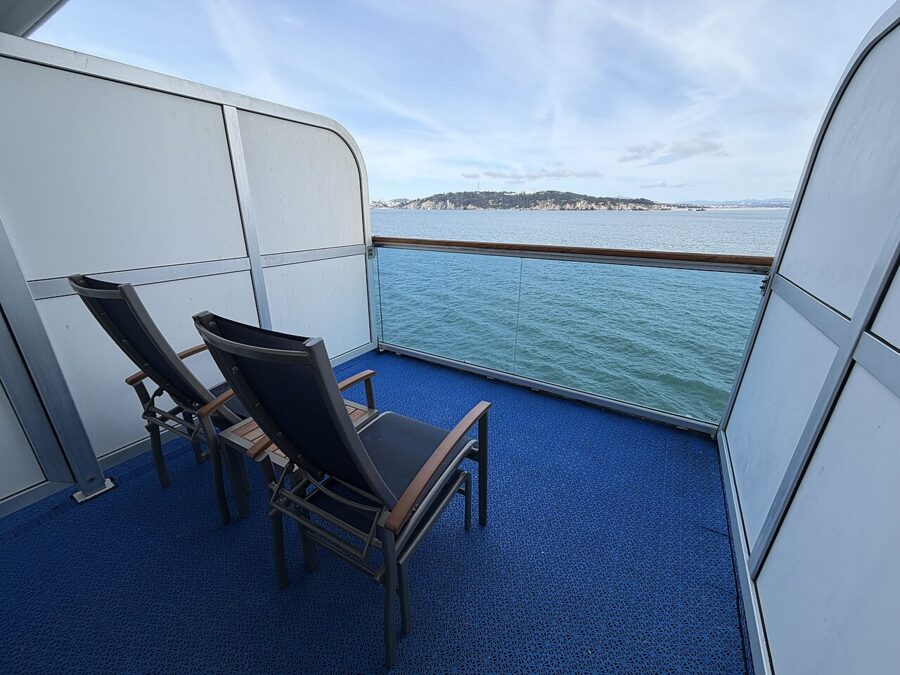
Read the deck plan before you pay. Look for lifeboats in front of “obstructed view” cabins and for nightclub decks directly above. On some newer Celebrity ships the “Infinite Veranda” cabins fold the balcony into the room behind a drop-down window, which gives more indoor space but not a true outdoor seat.

What a Mediterranean cruise really costs
On mainstream lines expect gratuities, drinks, wifi, excursions and local levies on top, and in North America “taxes, fees and port expenses” are often shown as a separate line at checkout. The table shows the main add-ons as of November 2026.
| Item | What it costs | Notes |
|---|---|---|
| Royal Caribbean gratuities | US$18.50 per person per day; US$21 in suites | Charged daily unless prepaid |
| Celebrity gratuities | US$19.50 standard; US$20.50 Concierge and AquaClass; US$24.50 The Retreat | Raised on 29 July 2026 |
| Holland America gratuities | US$18 standard; US$20 suites | Raised in June 2026 |
| Norwegian service charge | US$20 per person per day; US$25 in suites and The Haven | Applies to bookings from 2023 on |
| Greek levy, Santorini or Mykonos | €20 June to September; €12 April, May and October; €4 November to March | Per person, per port, children included |
| Greek levy, other Greek ports | €5 peak; €3 shoulder; €1 winter | Charged when you go ashore |
| Barcelona tourist tax, short stay | €11 total | For calls under 12 hours; a rise from 2027 is planned |
Gratuities
Two people in a standard cabin on a seven-night Royal Caribbean cruise pay US$259 at Royal Caribbean’s daily rate, which you can adjust at Guest Relations before the last morning. The same week on Norwegian, at its service charge of US$20 a day, is US$280.
Drinks, wifi and the rest
Tap water, basic tea and coffee and the breakfast juices are included on mainstream lines; alcohol, canned soft drinks and speciality coffee are not. Drinks packages are priced per person per day, and on most big-ship lines every adult in the cabin has to buy the same package. I would only buy one if you are sure of three or four cocktails a day, since in port you eat and drink ashore. Wifi, speciality restaurants and the spa follow the same pattern of small daily sums.
Port taxes and local levies
Greece’s levy is the one that shows up on your onboard account. The fee schedule charges per person each time you scan off the ship at a Greek port, children included, and nothing if you stay aboard. A July week with Mykonos and Santorini adds €40 (about US$46) per person before you have bought a coffee ashore.
Shore days done well
Ship tours or your own way
The ship’s own excursions cost more, but the ship waits for them if the coach is late. Go independent and the ship does not wait for you; you fly to the next port at your own cost. My rule: take the ship’s tour when the sight is far inland and the transport is a gamble, and go independently when the town is walkable from the quay.
Rome is the case for doing it yourself with a margin. A free port shuttle runs from the ships to the gate at Largo della Pace, then it is a 1.5 km walk (or a €6 bus) to Civitavecchia station. Regional trains to Roma San Pietro cost €4.60 (about US$5) and run about every 30 minutes, taking under an hour; the €12 BIRG day ticket covers the return train plus Rome’s metro and buses.
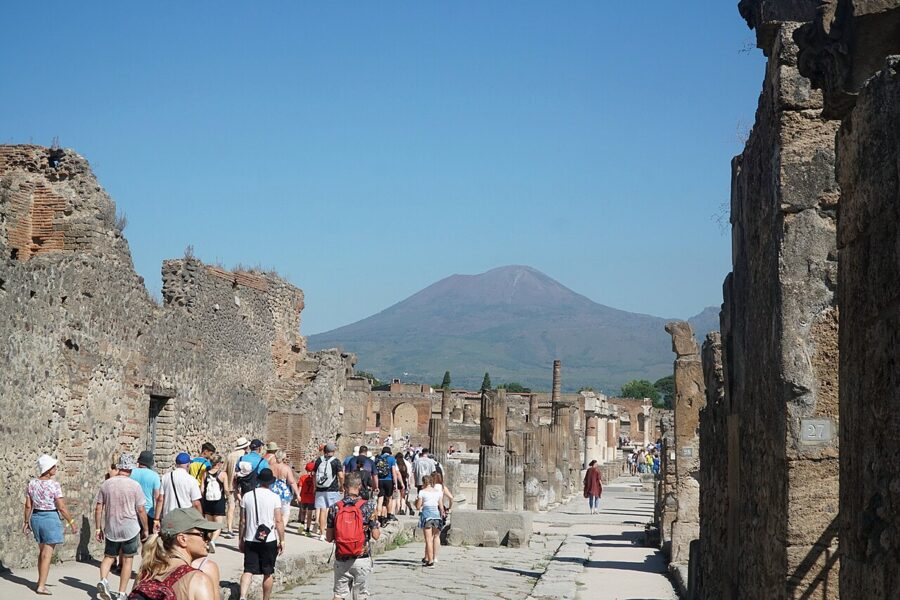
Naples is the easy one for Pompeii. From 12 January 2026 the basic Pompeii ticket costs €20 (about US$23) and Pompeii+ with the suburban villas €25, and from 2 March 2026 tickets are sold only through Vivaticket. Buy the timed ticket before you sail, then take the regional train south from Naples.

Athens works the same way. The Acropolis costs €30 (about US$35), opens 8am to 8pm in summer and 8am to 5pm in winter, and sells timed tickets online in advance. Take the first slot.


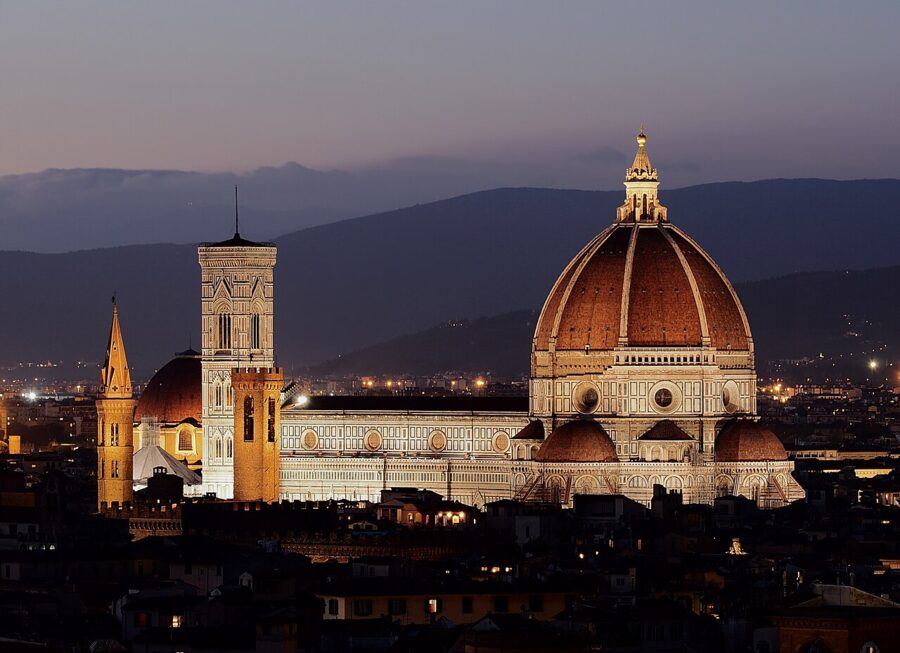
Florence from Livorno is where I would take the ship’s coach, or a private tour with a return guarantee. The regional trains to Florence take roughly 80 to 100 minutes, the port shuttle does not drop you at the station, and the last safe train back leaves earlier than you think.

La Spezia is the opposite: the Cinque Terre trains run from the town’s own station, and the villages reward an unplanned wander.
All-aboard time
All-aboard is not departure time. It is printed in the daily programme and on the gangway, usually 30 minutes to an hour before the ship sails. Set an alarm for an hour before it, keep the port agent’s number from the programme on your phone, and carry your cruise card and a photo of your passport ashore.
Tender ports
At a tender port the ship anchors and lifeboats or local launches ferry everyone in. Big ships issue tender tickets by group, and the first hour belongs to the ship’s own tours, so be at the meeting point the moment tickets open. Small ships move everyone ashore in minutes.
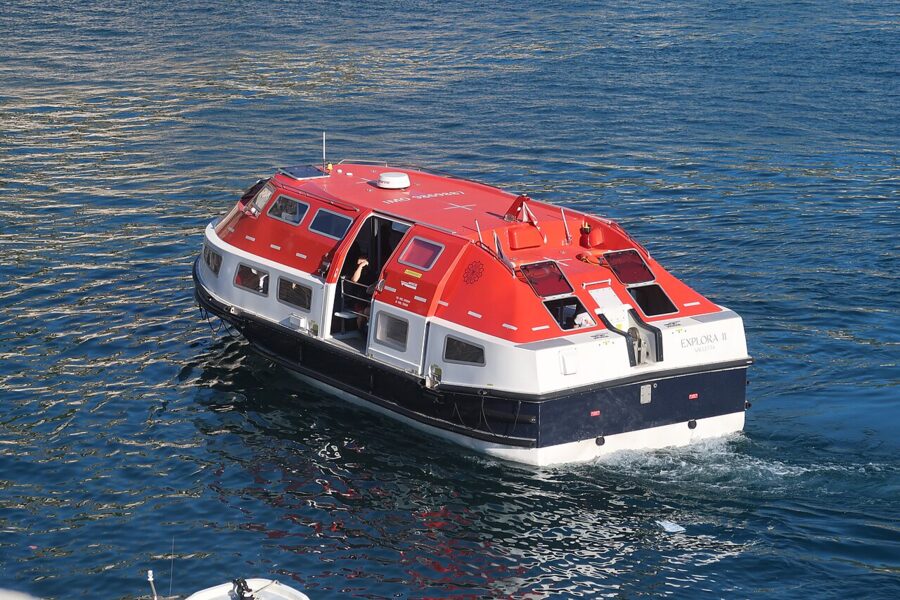

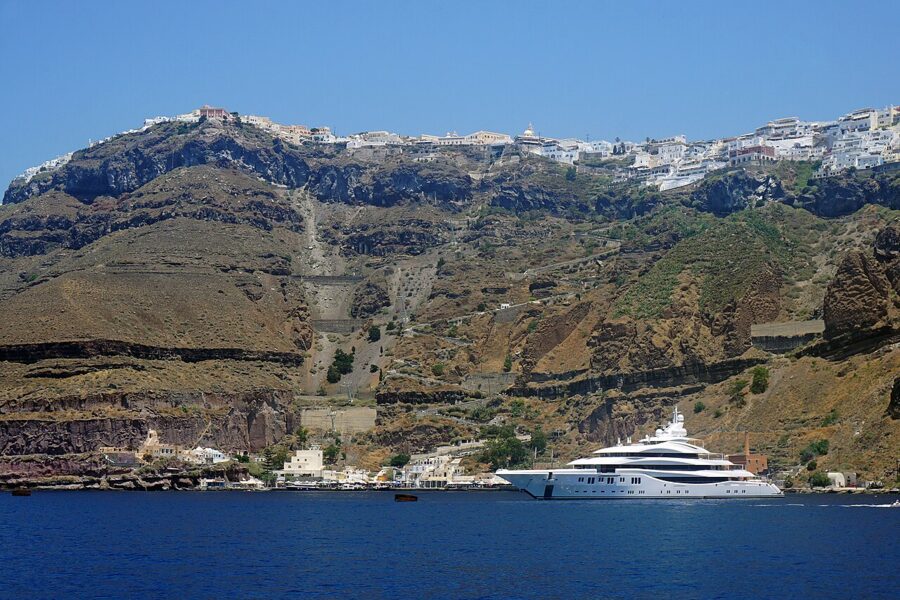
Santorini is the hardest tender day in the Mediterranean. The island caps cruise arrivals at 8,000 passengers a day and, for 2026, counts each ship as full rather than at 80% occupancy. From the old port below Fira the choice is the cable car or the long zigzag of steps; on a two- or three-ship day, go up early and come down well before the last tender.

Port by port: how far the sights are
| Port | Where ships berth | To the sights | Do it yourself? |
|---|---|---|---|
| Barcelona | Adossat breakwater terminals, or World Trade Center for smaller ships | Cruise bus to the city, €3.50 one way or €5 return | Yes |
| Marseille | Cruise quays north of the old port | Shuttle to the Vieux-Port | Yes |
| Civitavecchia (Rome) | Piers behind Forte Michelangelo | Free shuttle to Largo della Pace, then train to Rome, under an hour | Yes, with a margin |
| Livorno (Florence, Pisa) | Commercial port | Shuttle to town, then a train of roughly 80–100 minutes to Florence | Ship tour for Florence |
| La Spezia (Cinque Terre) | Town-centre quays | Walk to the station, then local trains | Yes |
| Naples (Pompeii) | Stazione Marittima, city centre | Walk to the centre; regional train to Pompeii | Yes |
| Piraeus (Athens) | Terminals A, B and C | About 12 km to the Acropolis by metro or taxi | Yes, early |
| Santorini | Anchor in the caldera, tender to the old port | Cable car or steps to Fira | Yes, early |
| Dubrovnik | Gruž, or anchor off the old town | About 3 km by bus or taxi from Gruž | Yes |
| Kotor | Berth by the old town, or tender | Walk in | Yes |
| Istanbul | Galataport, Karaköy | Walk to Galata; tram to the old city | Yes |
Entry rules: EES and ETIAS as of November 2026
The EU’s Entry/Exit System has been fully operational at Schengen borders since 10 April 2026. Non-EU travellers have their passport details, facial image and fingerprints recorded at their first entry, along with every entry and exit date. If you fly in to join the ship, you register at the airport; the record then lasts three years.
The UK government’s EES guidance says passengers on cruises that start and finish outside the Schengen area will usually be exempt for day trips ashore. If you leave the ship inside Schengen to travel on by other means, expect checks when you disembark. In late October 2026 the cruise and ferry industry groups reported long clearance delays and self-service kiosks out of action at ports, so leave slack on the first and last days.
ETIAS, the online travel authorisation for visa-exempt visitors, is not running yet. The Commission had targeted the last quarter of 2026, but the start has slipped, and as of November 2026 no new date has been published; the EU says it will give several months’ notice. When it starts it is expected to cost €20 and stay valid for three years or until your passport expires.
Two older rules still catch people. The Schengen 90-in-180-day limit counts cruise days in Spanish, French, Italian, Croatian and Greek ports. And your passport should have been issued within the last ten years and run for at least three months beyond your planned departure. Montenegro, Turkey and Albania sit outside Schengen, so check their own entry rules for your passport.
Nights before and after
Fly in at least a day early. A cancelled connection on boarding day is the one problem a cruise line cannot fix, and the ship will not wait.
For a Rome start, sleep in Rome and take a morning train to Civitavecchia, or sleep in Civitavecchia if your boarding time is early. For Athens, the taxi from the airport to Piraeus is about 32 km (20 miles) and about 60 minutes, roughly €60 (about US$70); a night in Athens with an early Acropolis slot beats a dash from the plane.
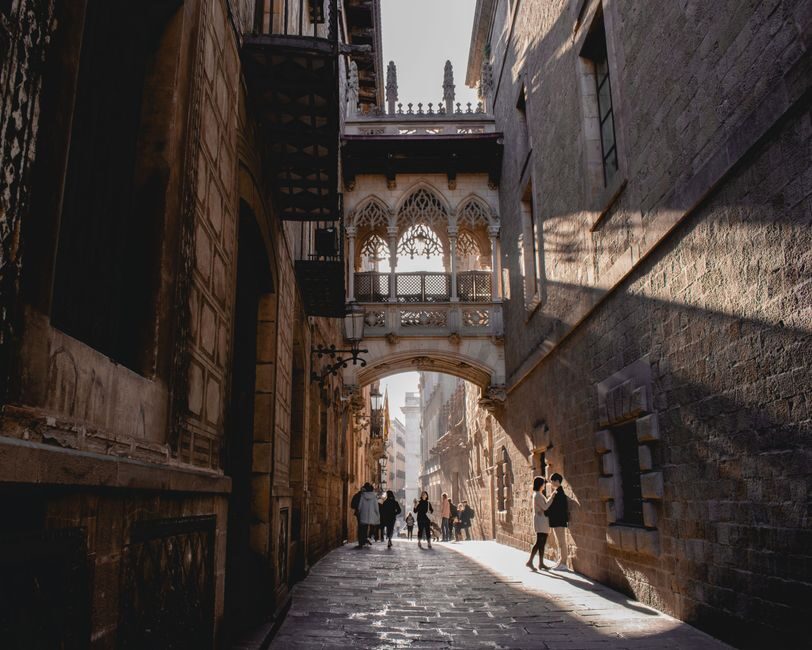
Barcelona and Venice both deserve two nights at the start or end, since the cruise itself gives you very little of either city. In Venice, check which mainland terminal your ship uses before you book a hotel, and allow for a water transfer.

If the cruise ends in Venice or Trieste and you have more days, the Alps are a long day’s train ride north, and two nights among the Interlaken attractions make a cool, green finish after a week of hot ports. Suitcases can take hours to reach the cabin on boarding day, so pack the cabin bag as you would for the flight; the same carry-on baggage packing tips apply to the gangway as to the plane.
A booking timeline
- 12 to 18 months out: choose region, month and ship size; book the cabin. The best balcony locations and suites go first.
- At deposit: buy travel insurance that covers missed departures and medical evacuation.
- 9 to 12 months out: book long-haul flights, arriving at least a day early, and the pre-cruise hotel.
- 90 to 120 days out: final payment, depending on line and cruise length. Decide on drinks and wifi packages now if the line discounts them before sailing.
- 60 to 90 days out: book ship excursions for the inland ports (Florence, Ephesus) and private tours with a return guarantee.
- When slots open: book timed tickets for the Acropolis, Pompeii and anything else in the big cities.
- One month out: check passport dates against the Schengen rules and look again at ETIAS; if it has started by then, apply.
- The week before: note each port’s all-aboard time and download offline maps.

Before you pay the deposit, write the distance from berth to sight next to every port on the itinerary: 80 km for Rome, a train ride for Florence, a tender and a cable car for Santorini. If more than two of the stops are an hour or more inland, choose a longer cruise or a smaller ship.